Private events can be a valuable revenue stream for wineries, but a full booking calendar doesn’t necessarily translate into higher profits. Staffing, setup costs, wine service, and disruptions to regular tasting room operations can quickly erode an event’s profitability.
Beyond the booking fee, private events can introduce new guests to the winery, encourage wine purchases, and create opportunities for repeat visits. By choosing the right events, setting prices that cover costs, and finding natural ways to engage guests, wineries can build a program that supports long-term business growth.
Choosing Events That Make Financial Sense
Wineries should consider their capacity and flexibility when accommodating private gatherings. A winery with a dedicated event space may host events alongside regular tastings, while smaller properties may need to reserve certain days exclusively for events.
Different event formats offer different opportunities:
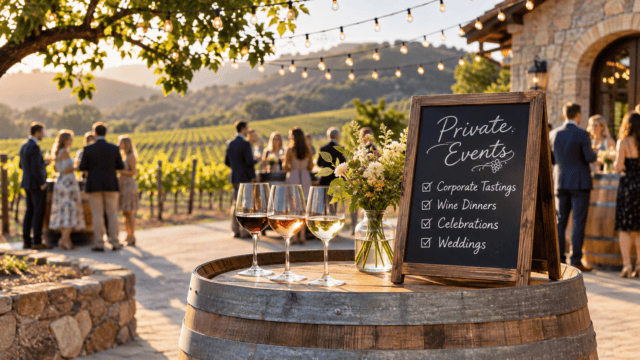
- Corporate tastings: Can bring in business during slower weekdays and lead to repeat bookings for team outings or client entertainment.
- Small wine dinners and private celebrations: Make use of existing tasting spaces for intimate gatherings, particularly during quieter months.
- Weddings and large celebrations: Can attract clients with larger budgets but are better suited to properties equipped to manage complex logistics and multiple vendors.
- Customized private events: Allow wineries to offer personalized experiences at premium prices, provided the additional planning and coordination are accounted for.
Establishing preferred event days, guest capacities, and booking restrictions can help wineries avoid overcommitting their teams and identify which events to actively market.
Pricing Events Without Losing Money on the Details
Event pricing should account for work beyond the event itself, including vendor coordination, setup, and cleanup. Some wineries include this time in their rental packages and charge separately for additional hours.
Clearly defined packages help manage costs. For example, a package might include a three-hour rental, a guided tasting, and a set number of staff and guests, with additional services priced separately. Minimum wine purchases can also help protect revenue, particularly for larger gatherings.
Wineries should also consider whether an event affects regular tasting room sales. A booking that requires closing the tasting room on a busy weekend may be less profitable than expected. Factoring in these potential losses alongside direct event costs helps ensure each booking makes financial sense.
Making Wine Sales Part of the Event Experience
Private events introduce guests to a winery’s wines, but that interest can be lost if guests don’t know what they’re drinking or where to purchase it.
Small details can help wineries capture that interest without making the event feel like a sales pitch:
- Share wine information: Provide menus with wine names, brief tasting notes, and QR codes linking to the winery’s online shop.
- Offer personal recommendations: Encourage staff to help guests discover wines based on their preferences.
- Include guided tastings: Give guests an opportunity to learn about the wines through short tastings or conversations with the winemaker.
- Create take-home packages: Offer curated bottle collections or the option to purchase wines served during the event, where permitted by local regulations.
These options should suit the occasion. A corporate tasting may be ideal for guided experiences, while a wedding reception may call for more subtle purchasing opportunities. The goal is to make wine discovery and purchasing easy without interrupting the celebration.
How to Turn One Booking Into Future Business
Private events can lead to repeat bookings and long-term customer relationships, particularly with corporate clients who organize multiple gatherings throughout the year.
Wineries can take a few simple steps:
- Send a thank-you email to organizers, request feedback, and share future booking opportunities.
- Offer returning clients new tasting themes, seasonal menus, or wine-pairing experiences.
- Provide optional mailing list sign-ups, wine club information, and links to upcoming tastings.
- Personalize follow-up emails based on guests’ interests, where appropriate marketing consent has been obtained.
Event organizers may be interested in booking again, while individual guests might prefer to return for a tasting or purchase wine. By respecting privacy requirements and focusing on genuine interest, wineries can build relationships without pressuring guests to buy.
How to Track Whether Events Are Worth the Effort
A winery might generate $100,000 from private events in a season, but that figure alone doesn’t reveal which bookings were profitable. Tracking a few key metrics after each event can provide a clearer picture:
- Total event revenue: Income from venue fees, wine sales, and additional services.
- Direct event costs: Expenses such as staffing, rentals, wine, and vendor fees.
- Contribution margin: Revenue remaining after direct event costs are deducted.
- Staffing time: Hours spent planning, setting up, hosting, and cleaning up.
- Additional business: Repeat bookings, wine purchases, and wine club memberships linked to an event.
Consider a corporate tasting that generates $4,000 in revenue with $1,200 in direct costs, leaving $2,800 in contribution. A larger celebration might generate $8,000 but incur $5,500 in costs, leaving just $2,500. Despite generating half the revenue, the smaller event delivers a higher contribution after direct costs.
Reviewing these figures helps wineries identify which packages need price adjustments and which events are worth promoting. A simple report after each booking can guide future pricing, scheduling, and marketing decisions.
Building a Private Events Program That Can Grow
Growing a private-events program doesn’t always mean hosting more events. Wineries should focus on making the most of existing space, staff, and resources before investing in expansion.
By identifying profitable event formats, adjusting packages, and making use of quieter periods, wineries can generate reliable revenue while introducing new guests to their wines and encouraging future business.

Ania Geerts, Co-Founder & CEO at Paloma is a seasoned entrepreneur whose career spans two decades of building purpose-driven businesses that connect community and innovation. She is the CEO and co-founder of a next-generation AI product designed for private event success in the hospitality industry. Paloma replaces the traditional event intake form with an intelligent, personalized venue experience that helps venue teams qualify leads, increase booking conversions, streamline workflows, and offer operational transparency across entire venue portfolios.