Today’s wine industry is under siege, on defense, and in crisis.
Taxes, tariffs, unfair competition, generational change, climate disasters, Prohibitionism, and other challenges are taking their toll. We’re using all our energy fighting, pushing back, and reacting to forces beyond our control and against our interests. These are all things we don’t want, which I call the “No” agenda.
That’s why we need to create the “Yes” agenda—the actions that can propel us forward.
The New York Miracle
In the early 1980s, the New York State grape and wine industry was in crisis. Vineyards were being abandoned, grape contracts canceled, wineries closed, tourists fleeing, and rural economies decimated. Sound familiar?
That crisis became an opportunity to create a brighter future through vision, grit, and collaboration.
Today, New York is a major wine state. In 1985, there were just 19 wine producers in 9 counties; today, there are over 500 wineries in 59 of 62 counties, including Brooklyn, Manhattan, and Queens. It’s a statewide industry from the eastern tip of Long Island to Niagara Falls and beyond.
Wine is also a powerful economic engine. In 2025, it generated $16.91 billion for New York State’s economy, including 83,193 jobs, $5.76 billion in wages, 2.84 million tourist visits, $541.9 million in tourist expenditures, and $1.5 billion in state and local taxes. Wine is a gold mine for the Empire State.
What created the 1980s crisis? Antiquated laws, burdensome regulations, international trade problems, unfair competition, consumer changes, a neo-Prohibition movement, and a tough economy. Ring a bell?
The dramatic turnaround happened quickly, within just a few years. It began in 1984 when a tiny grape and winery industry association created a proactive agenda for growth, assembled a broad coalition of support, worked with the governor and legislature to enact it, and showed how wine could fuel the economy.
The comprehensive plan proactively addressed legal and regulatory impediments, opened new direct marketing opportunities, and created a new public-private partnership for promotion and research through the New York Wine & Grape Foundation.
It was a “Yes” agenda. And it even served as a blueprint to grow New York’s craft beer, spirits, and cider industries.
The Power of Yes!
Today, “No Safe Level” is the misleading mantra of the World Health Organization, referring to the consumption of alcohol. That message is metastasizing around the world, even in the supposedly sophisticated United States, where puritanism and Prohibitionism are always lurking, just waiting for the right moment to resurface—like now. The WHO messaging is clearly diminishing wine consumption, and the industry is legally powerless to respond directly.
The antidote? A tiny, simple idea three years ago has blossomed into an international movement celebrating wine as the beverage that brings us together—as it has for 6,000 years.
Since its inception, Come Over October has generated 3.9 billion media impressions, reached six million people through social media, and attracted thousands of associations, wineries, and consumers to help spread the word.
The timing is perfect, since top public health officials have described loneliness as a “pathological epidemic” in modern society. Come Over October is a resounding “Yes” powered by people, eclipsing the “No” of propaganda.
Research and sustainability are equally vital, and the wine community worldwide is creating and sharing leading-edge information and strategies for preserving, protecting, and regenerating the Earth that allows us to live and make a living with wine. The Porto Protocol, Regenerative Foundation, California Sustainable Winegrowing Alliance, and National Grape and Wine Alliance are just a few of many examples.
Creating a “Yes” Agenda for Public Policy
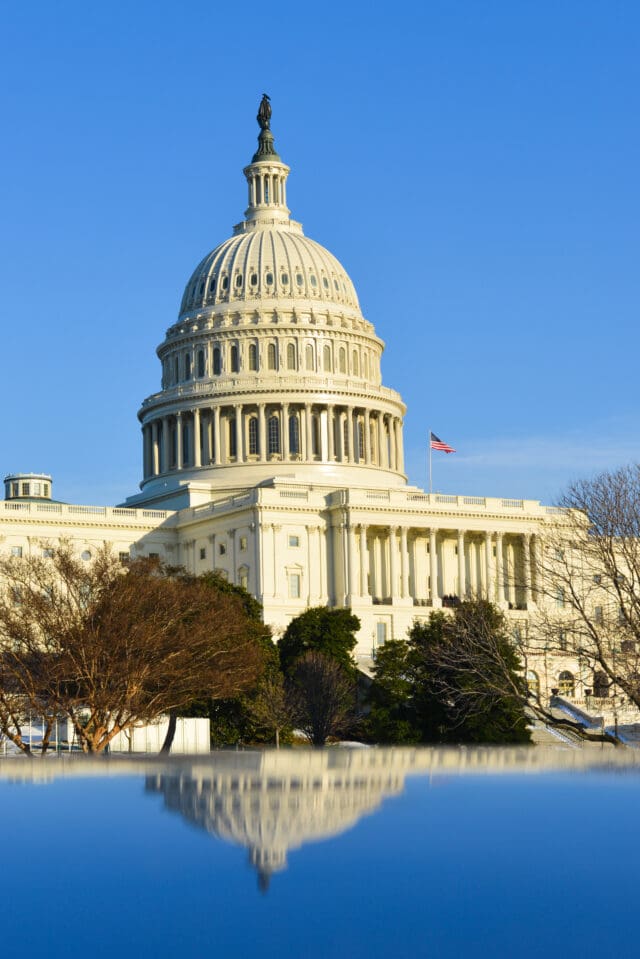
We need comparable magic on the public policy front, which determines the business climate for wine. Today, it is dismal, due in large part to federal policies dampening supply and demand.
- Wildfires, hurricanes, and freezes reflect climate change caused by financial addiction to fossil fuels and affect winegrowing from vineyard to glass.
- Tariff wars on wine have eliminated the largest export market for American wine and, in a double whammy, driven Canadian tourists from American wine regions.
- A legislative glitch is allowing the sale of intoxicating hemp that is unregulated, untaxed, unfair, and cannibalizing wine sales.
- “Affordability” is a key issue for most Americans who reduce discretionary purchases like wine.
- Congress is increasingly dysfunctional and often absent altogether, and the constitutionally envisioned balance of powers among three branches of government is badly out of sync.
The Case for Hope (via Yes)
The current level of public policy dysfunction will not be fixed overnight, or even within a couple of years. But that shouldn’t preclude our industry from dreaming, planning, and educating, just like New York winegrowers did four decades ago. There are reasons for hope.
Wine is important. It is produced and consumed in all 50 states, which means all 100 U.S. senators have constituents in our industry, as do hundreds of representatives, and there is already an active, bipartisan Congressional Wine Caucus.
The wine industry also generates enormous economic benefits—$323 billion in 2025—and its future growth through enlightened public policy would increase that through more jobs, wages, and taxes. That total economic impact includes 10,761 wineries, 763,080 vineyard acres, 1.75 million jobs, $102 billion in wages, 74 million tourist visits, $14 billion in tourist expenditures, $26 billion in federal taxes, and $27 billion in state and local taxes.
In addition, there is already significant infrastructure in place. WineAmerica and Wine Institute focus on public policy, have national and state-level reach, and collaborate closely. Many state associations also have active government affairs capabilities and coordinate through WineAmerica.
There are also other associations whose constituents—farmers, research institutions, restaurants, wholesalers, wine retailers, rural tourism businesses, local governments, and many more—directly benefit from a robust wine industry.
Most of all, the thousands of industry suppliers—rootstock, tractors, tanks, barrels, bottles, boxes, loans, insurance, transportation, communications, and much else—have a lot of skin in the wine game. About 30% of wine’s economic impact benefits suppliers, and most have their own trade associations and political action committees that could weigh in with us.
The “Yes” coalition is dormant, just waiting to be activated.
Creating the “Yes” Agenda
What is the specific agenda, the wish list of wants?
I have my own ideas, but this is for the wine community to decide, then articulate, and finally educate. It’s a big job, but it can be done, and should start right now.
The alternative is staying right where we are—or worse.
We can get to Yes. All we need is will, collaboration, and creativity—and a little wine to bring us together and stimulate our thoughts.
Cheers!

Jim Trezise has been involved with the wine industry for over four decades on state, national
and international levels as creator and/or president of several associations including the New
York Wine & Grape Foundation, the International Riesling, and WineAmerica. He has received
numerous awards for his many contributions, speaks at conferences, judges in wine
competitions, and lives in New York’s fabulous Finger Lakes wine region.