The wine industry isn’t standing still—and neither were the conversations at this year’s Wine Sales Symposium.
The mood surrounding the wine industry has shifted noticeably over the past year.
Headlines still focus on contraction, slowing sales, declining consumption, and pressure across direct-to-consumer and wholesale channels. But underneath those realities, another story is emerging: wineries are adapting.
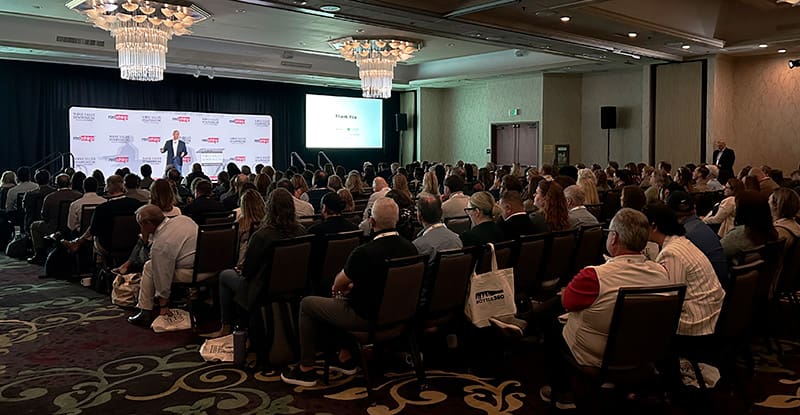
That theme carried through nearly every session at Wine Industry Network’s 2026 Wine Sales Symposium, where winery owners, marketers, strategists, hospitality leaders, and technology providers gathered to discuss what’s actually changing in wine sales—and where opportunity still exists.
The conversations were grounded in realism but notably absent of panic. Speakers focused on the operational, marketing, and consumer shifts wineries are making in response to a rapidly evolving market.
And perhaps most importantly, many of the sessions pointed toward the same conclusion: growth hasn’t disappeared. It has simply moved.
The Consumer Has Changed, And So Has Discovery
One of the strongest recurring themes was the realization that wineries are no longer competing only on wine quality. They’re competing on relevance, visibility, hospitality, and emotional connection.
Several sessions focused on the changing behavior of younger consumers, particularly Gen Z, whose alcohol participation has risen significantly over the past two years. But speakers repeatedly emphasized that younger consumers are not discovering wine through the same pathways previous generations did.
They’re not all entering through tasting rooms. They’re not relying on traditional wine media. And increasingly, they’re not discovering brands through conventional search behavior at all.
Sessions on AI and digital visibility explored how artificial intelligence is already reshaping how consumers discover wineries, plan travel, and evaluate brands online. Speakers discussed the growing importance of structured storytelling, online communities, platforms like Reddit and Google Business Profiles, and the reality that promotional messaging alone is becoming less effective in environments increasingly driven by informational and comparative content.
For many attendees, the takeaway was straightforward: wineries that fail to actively shape their digital footprint risk becoming invisible in the next generation of discovery tools.
Hospitality Is Becoming the Brand
Another major conversation centered on hospitality and visitation, where speakers challenged wineries to rethink the role of the tasting room experience itself.
The old model of education-first hospitality is losing effectiveness with younger consumers. Today’s guests aren’t necessarily looking to be taught how to taste wine correctly. They’re looking for experiences that feel social, personal, emotionally resonant, and worth sharing.
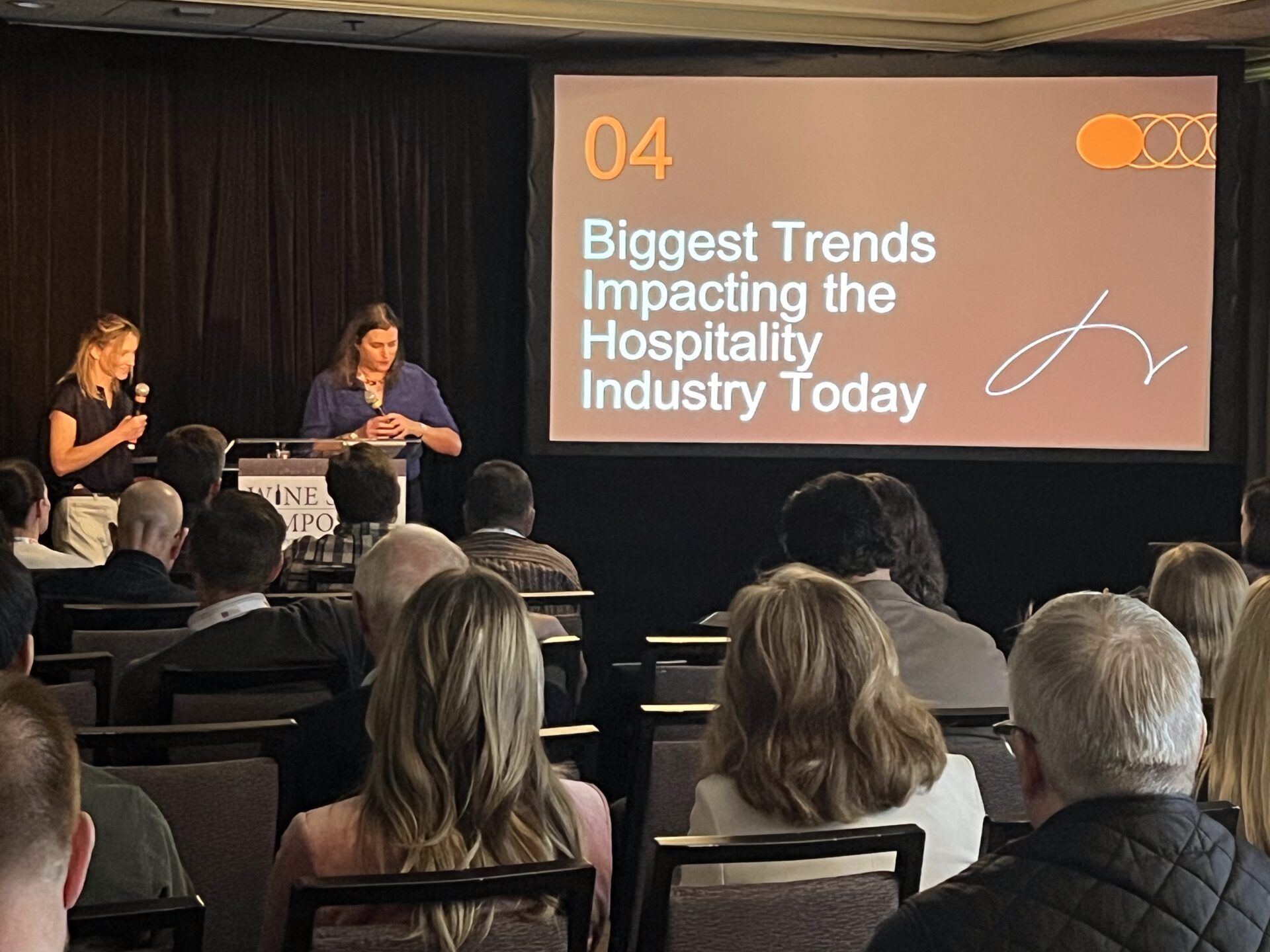
Speakers emphasized that wineries are increasingly competing with restaurants, hotels, entertainment venues, and lifestyle brands—not simply other wineries.
One presenter put it bluntly: “Community is the new economy.” Younger consumers share experiences online not simply to show off, but to create belonging and identity.
The conversation repeatedly returned to one idea: wineries that create memorable, shareable experiences are building emotional connection in ways traditional tasting formats often cannot.
Examples ranged from immersive hospitality concepts and creative food pairings to highly intentional welcome experiences designed to spark conversation, social sharing, and repeat visitation.
The takeaway wasn’t that wine quality matters less. Wine quality is now expected. Experience is what increasingly differentiates brands.
Retention Is Replacing Acquisition as the Growth Strategy
Wine clubs and direct-to-consumer retention emerged as another major focus.
Panelists discussed how rising acquisition costs are forcing wineries to rethink the traditional wine club model, particularly as industry data shows roughly 40% of members cancel within the first year. In contrast, top-performing wineries are retaining more than 85% of members beyond year one by building programs centered on personalization, consistency, hospitality, and emotional engagement rather than simple transactional discounts.
Speakers stressed that retention is no longer an operational concern. It’s becoming one of the industry’s most important strategic growth levers.
Several winery operators also discussed how hospitality and club retention are becoming increasingly interconnected, with tasting room experiences serving as the foundation for long-term loyalty rather than simply one-time transactions.
Focus and Execution Matter More Than Ever
If one theme tied the entire Symposium together, it was focus.
Speakers returned repeatedly to the idea that wineries are overwhelmed not by a lack of ideas, but by too many competing priorities.
The closing session challenged attendees to think differently about implementation itself, arguing that the wineries best positioned for long-term success won’t necessarily be the ones trying the most tactics. They’ll be the ones capable of identifying which strategies compound value over time and which simply reset every quarter.
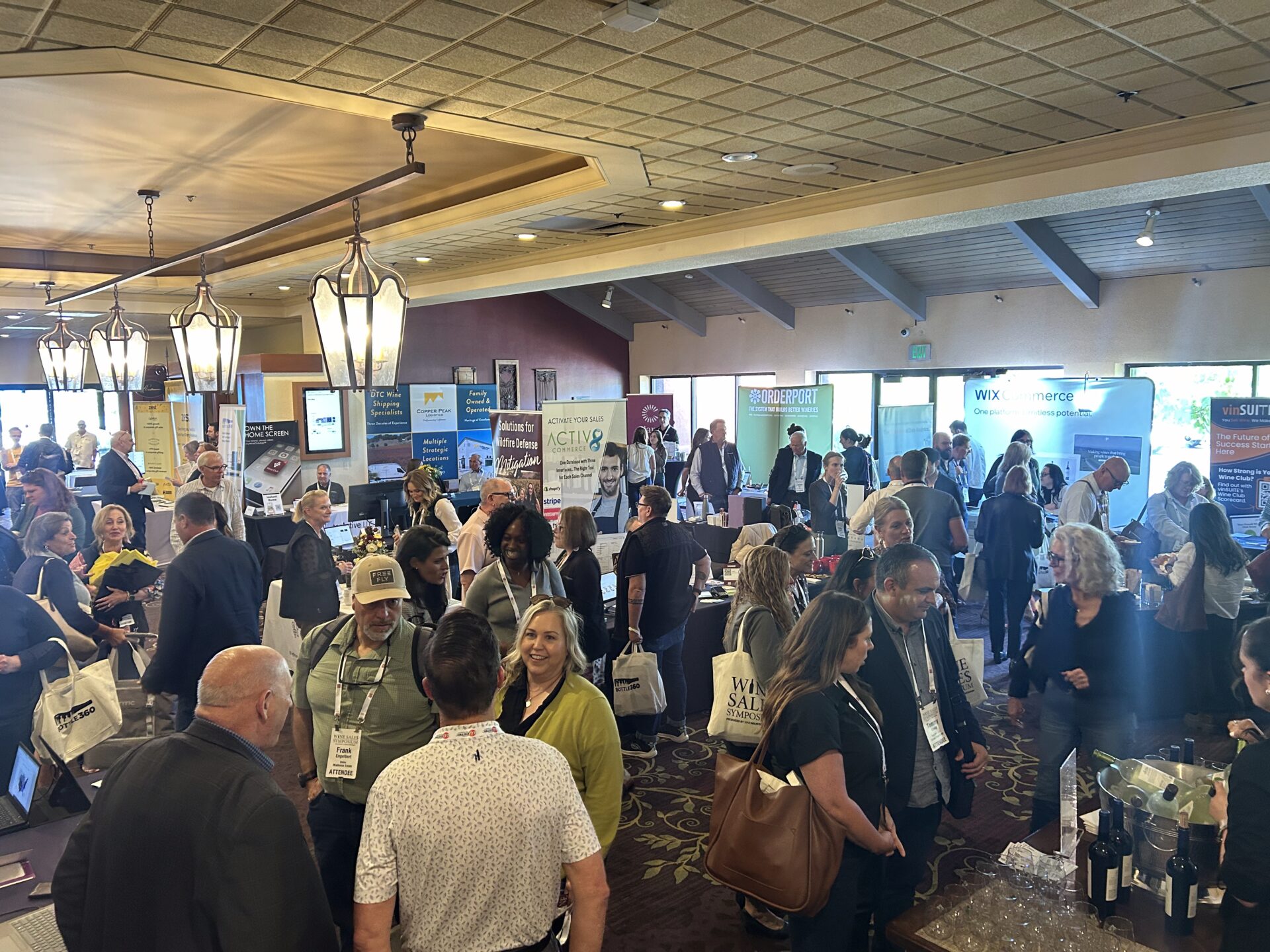
Rather than chasing every new trend, panelists encouraged wineries to focus on building assets that create long-term leverage: customer relationships, owned audiences, hospitality identity, brand differentiation, and stronger data infrastructure.
The message resonated because it reflected the larger tone of the day. The industry may be changing rapidly, but many of the wineries finding success are doing so by becoming more intentional, more disciplined, and more connected to how consumers actually behave today.
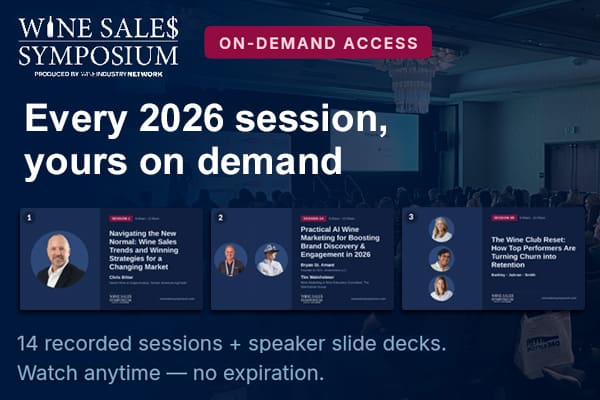
Recorded Sessions & Slides Available to Watch Now
For attendees, the conversations from this year’s Wine Sales Symposium continue through access to recorded sessions and post-event materials.
For wineries unable to attend, Wine Industry Network has released on-demand video access to sessions covering AI and digital visibility, hospitality and tasting room evolution, customer retention and wine club strategy, wholesale and market resilience, strategic partnerships, and winery growth planning.
The recordings provide access to practical insights, real-world strategies, and candid conversations from winery operators, marketers, hospitality leaders, and industry experts actively navigating the same challenges facing wineries today.
Recorded Sessions are available to watch now, Click Below to get started.