By Ian Axford, Merchant Cost Consulting
With margins tightening across the wine industry, from rising production costs to increased competition in direct-to-consumer (DTC) channels, many wineries are looking for ways to protect profitability. One of the most overlooked (and quietly expensive) areas is credit card processing fees.
Whether operating a tasting room, managing a wine club, or selling through an online store, every transaction passes through a complex system. At each step, a small percentage is taken, and over time, those costs add up in ways that are often not fully understood.
When a customer purchases wine, several players are involved behind the scenes. The card issuer (such as a bank), the card network (like Visa or Mastercard), the processor or POS system, and the acquiring bank all play a role before funds ultimately reach the winery. For wineries, this system is even more nuanced because of the mix of transaction types—ranging from in-person tasting room sales to online orders and recurring wine club billing. Each of these carries different cost structures.
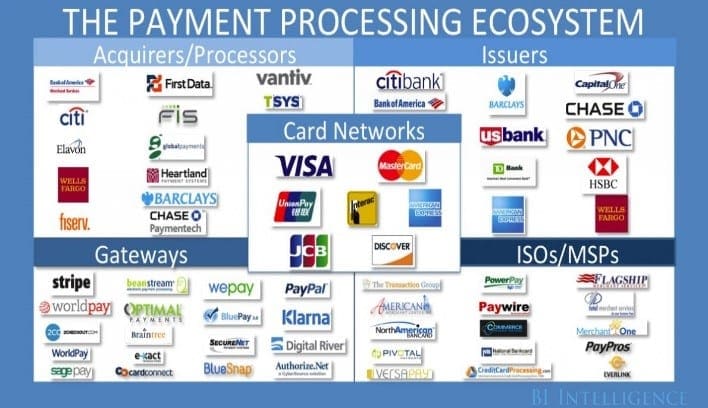
Processing fees generally fall into three categories. The largest portion—typically 90–95%—comes from interchange fees, which are set by card networks and paid to the issuing bank. These are non-negotiable, and for wineries, they are often higher due to the prevalence of rewards cards and card-not-present transactions like online and club sales.
In addition to interchange, there are smaller assessment fees set by card networks. These are also fixed. The third category, however, is where wineries have the most control: processor markup. This is often where hidden costs emerge, including inflated percentage markups, per-transaction fees on wine club rebills, gateway fees tied to winery software, and monthly or PCI compliance charges. While individually small, these costs can compound quickly.
One of the most common mistakes wineries make is focusing on convenience and system integrations while overlooking pricing structure. In reality, pricing structure often has a greater impact on overall cost than the headline rate itself.
Many wineries, for example, are on tiered pricing plans without realizing it. Under this model, transactions are sorted into categories such as “qualified” or “non-qualified,” with wine club and online transactions frequently falling into the more expensive tiers. Others use flat-rate pricing—simple and predictable, but often inefficient. Because debit cards are common in tasting rooms and cost less to process, a flat rate can mean consistently overpaying on a large portion of transactions.
Subscription-based models, offered by some modern winery platforms, can work well in certain cases. However, per-transaction fees on high-volume wine club activity and rising monthly costs can quietly erode margins over time.
For many wineries, an interchange-plus pricing model offers the most transparency and cost efficiency. Under this structure, wineries pay the true interchange rate plus a fixed markup. This approach allows them to benefit from lower-cost debit transactions in the tasting room while maintaining visibility into the costs associated with online and wine club sales—without the ambiguity of pricing tiers.
The good news is that wineries do not necessarily need to change their POS or wine club platform to reduce processing costs. In many cases, meaningful savings can be achieved through a few targeted actions:
- Review your last two to three processing statements. This will help you understand your effective rate (total fees divided by total volume) and identify differences between in-person and online or wine club transactions.
- Evaluate your wine club billing structure. Recurring transactions are often where fees quietly accumulate, particularly through per-transaction charges and higher interchange categories. Even small adjustments here can lead to meaningful annual savings.
- Benchmark your pricing before negotiating. Instead of simply asking your provider for a better rate, come prepared with a target based on your transaction volume and mix (in-person vs. online vs. club). This creates a stronger position for renegotiating processor markup.
It’s also worth noting that even wineries under contract may still have room to renegotiate processor markups. Finally, ongoing monitoring is key, particularly during peak periods such as harvest, wine club releases, and the holiday season, when transaction volume increases and fees can escalate without notice.
For wineries, credit card processing is not just a back-office expense—it directly impacts margins across tasting room sales, DTC shipping, and wine club revenue. While interchange and network fees are fixed, wineries retain control over their pricing structure and processor markup. That’s where the most meaningful savings can be found.
My name is Ian Axford and I’m a Sales Executive at Merchant Cost Consulting. We are a Boston, Massachusetts-based cost reduction firm hired by wine businesses to help reduce their credit card processing fees without changing current vendors or integrated POS systems. Our goal is to reduce costs and improve profitability one vineyard at a time.