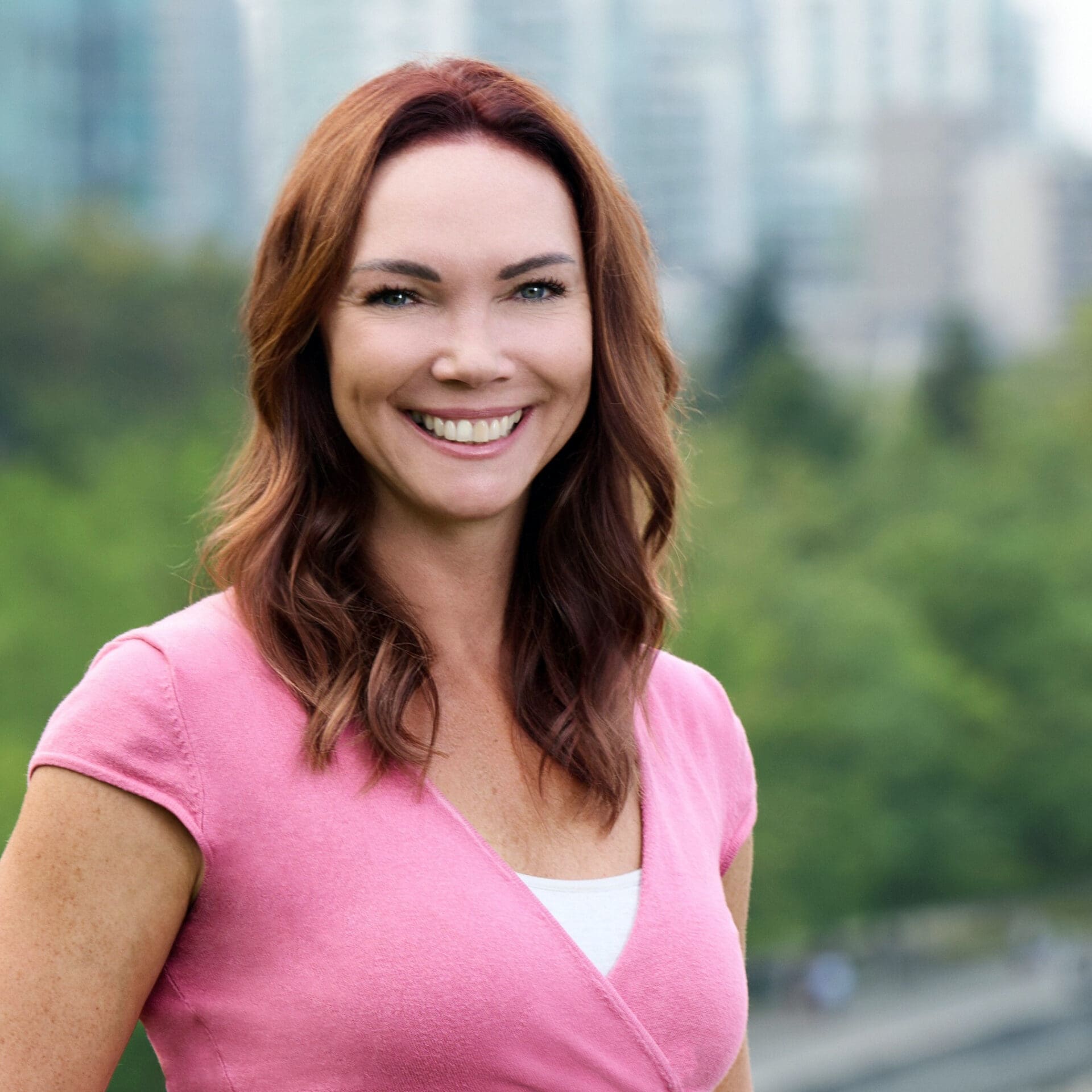
Kathryn Anderson is an author, travel journalist, and speaker whose work has appeared in publications worldwide. As the creator of the award-winning site Coffee and Mascara, she guides readers toward travel that blends adventure, culture, and well-being—often with a glass of wine in hand. She also serves as social media director on the International Food, Wine & Travel Writers Association (IFWTWA) Board of Directors. Follow her adventures on social media @misskatanderson.
How did you come to wine, and to wine writing?
When I first started writing, I was working as a marketing manager for a natural health foods company, so naturally, my early articles focused on health, wellness, and fitness. In 2019, I attended a Travel Writers Conference where I began networking with other writers and learning more about freelance writing in the travel space.
While I enjoyed drinking wine, it hadn’t crossed my mind to write about it. That changed during the pandemic. When travel shut down, I started exploring more of what was close to home. I wrote a few blog posts about wineries in the Okanagan Valley, but it wasn’t until I visited Krause Berry Farms & Estate Winery that the idea truly clicked. I was fascinated by their story. They had started the winery as a way to keep their seasonal farm workers employed year-round, and it felt like the kind of story that deserved a wider audience. That visit led to my first wine-related article, which was published in Food Wine Travel Magazine in 2021. That story showed me that wine isn’t just about what’s in the glass—it’s about the people, the place, and the stories that bring it all to life.
How do you weave wine into your travel, adventure and lifestyle articles?
A lot of my trips include at least one wine-related experience, whether that’s a winery visit, a tasting, or exploring a wine region—so weaving it into my stories often happens organically. That said, it always depends on the theme of the article and the publication I’m writing for.
One of my main writing verticals is outdoor adventure, and in those pieces, wine usually shows up at the end of the day. After a long day outside, sharing a great meal and a glass of wine is my favorite way to wind down, so it’s a detail that feels authentic to include. I might spend the day kayaking with alligators or hiking through a national park, but I can almost guarantee there will be a glass of wine with dinner afterwards.
Describe your holistic approach to wine, travel and wellness.
For me, wine, travel, and wellness are all connected because they’re about experiencing a place in a way that feels balanced and meaningful. Wellness doesn’t have to mean strict routines or skipping indulgences. When I travel, I love exploring the outdoors during the day—whether that’s hiking, cycling through a wine region, or being on the water—and then winding down in the evening with a great meal and a glass of local wine. That balance between adventure and enjoyment is what makes travel feel restorative rather than exhausting.
In my writing, I try to show readers that you don’t have to choose between wellness and indulgence. You can absolutely enjoy a wine tasting or a beautiful dinner while still prioritizing movement, fresh air, and experiences that nourish both your body and your curiosity.
What would people be surprised to know about you?
Before starting university, I moved to Paris, France, where I lived and worked as an Au Pair. I was very fortunate to be placed with a fantastic family that treated me like one of their own. I even had my own apartment, located above their in-laws, a few blocks away. It was an incredible experience that taught me a lot about myself. Once I began university, I did an exchange semester in Tours, France, where I continued to improve my French language skills. I remain fairly fluent and practice speaking French any chance I get.
What haven’t you done that you’d like to do?
The world is such a vast and wonderful place, so there are a lot of things I haven’t done yet that are on my ever-growing bucket list. Two things come to mind immediately, one of which I’m currently working towards — dining at the underwater restaurant at the Conrad Maldives Resort while staying in one of their overwater bungalows. Secondly, I would love to go on an African Safari. It has always been a dream of my mother’s, and I would love to take her one day.
If you weren’t writing and coaching for a living, what would you be doing?
I would very likely be working in marketing in the health and wellness industry. I began my corporate career working for a natural health food manufacturer, and I genuinely loved the work. I eventually outgrew my roles at two different companies, which is what ultimately led me to start freelancing and focus more on writing. While I wouldn’t trade the path I’m on now, if I ever went back to a traditional job, it would almost certainly be in health and wellness marketing. It’s a space I’ve always felt connected to, and I’ve been fortunate that my career has stayed rooted in that world.
Can you describe your approach, planning and method to writing?
I can’t honestly say that I follow a rigid approach or method when it comes to writing. It tends to change depending on the trip and the story I’m working on. Sometimes I feel so inspired while travelling that I’ll stay up late and start writing the article right there in the moment. Other times I’m so busy — or so immersed in the experience — that I barely take notes and piece the story together once I’m home. That’s one of the things I love about being a freelance writer: no two days ever look the same. Some days I’m out adventuring and don’t open my laptop at all, while other days it’s where I spend most of my time.
How do you develop and collaborate with sources for story ideas?
Many of my story ideas develop organically through conversations with people I meet while travelling. Local guides, winemakers, chefs, and other tourism professionals often share insights about what makes their region unique, which can spark ideas for stories that go beyond the typical travel recommendations.
I also stay connected with other travel writers and industry contacts, and those relationships often lead to new perspectives or story angles. Those conversations often help me uncover the small details and local perspectives that make a story more engaging for readers.
Do you post your articles on social media? Why is that important?
Yes, I do share all my articles on social media. It has become an important part of my travel writing and content creation career. Not only does it allow me to promote my work to a wider audience, but it also helps extend the life of an article well beyond the publication itself.
It’s also a great way to give additional visibility to the destinations, businesses, and people I feature in my stories. When I tag tourism boards, wineries, restaurants, or tour operators, it helps amplify their work as well. In many ways, social media has become a natural extension of storytelling, allowing my audience of travel enthusiasts to engage with the places and experiences I write about.
What are your recommendations to wineries when interacting with journalists?
When wineries are working with journalists, I think the most important thing to remember is that we’re there to tell a story—not just to taste wine. Share the “why” behind what your winery does—your history, your challenges, what makes your region or vineyard unique. Those are the details that turn a tasting into a story people want to read.
The visits that stick with me aren’t necessarily the ones with the most expensive bottles, but the ones where I felt something. That usually comes down to the people. I also love it when there’s a sense of place woven in. That could be a vineyard walk or an unexpected food pairing. Wine is so tied to where it’s from, and those sensory details are what journalists end up writing about. At the end of the day, it’s about creating an experience that feels genuine. If it feels good while I’m there, it’s going to translate into a better story.
What advantages are there in working directly with winery publicists?
Working directly with winery publicists can make the entire experience feel smoother and more thoughtful from start to finish. From my perspective as a journalist, having a dedicated point of contact is huge. A good publicist understands both sides. They know the winery inside and out, but they also understand what makes a story compelling. That means less back-and-forth, clearer communication, and access to the right people and information. They’re also great at shaping experiences in a way that feels intentional. Instead of a generic visit, you’re often getting something more curated, whether that’s a well-planned tasting, an introduction to the winemaker, or background context that adds depth to the story.
Which wine personalities would you most like to meet and taste with (living or dead)?
I’d love to share a glass with Madame Clicquot. This might sound like an odd choice since champagne isn’t my preferred drink, but she was such a trailblazer, building an iconic champagne house at a time when that wasn’t the norm for women. Plus, she’s credited with creating the first known blended rosé champagne, which happens to be my favorite kind of bubbles. I’d pair that with Anthony Bourdain, because for me, wine is just as much about the experience, the place, and the people as it is about what’s in the glass. And for a little fun, let’s add Stanley Tucci because he feels like the kind of person who would turn a tasting into an experience I’d never forget.
If you take days off, how do you spend them?
Taking days off is essential for both my mental well-being and my creative process. I feel most grounded and inspired when I’m in nature, so that’s usually where I spend my time off. In the summer, you’ll find me at, on, or in the water—whether that’s out on a friend’s boat or soaking up the sun at the beach. In the winter, I trade the ocean for the mountains and spend my days snowboarding.
What is your most memorable wine or wine tasting experience?
Oof, this is a tough one. I’ve had so many incredible wine experiences. But if I had to choose, it would be the wine-pairing meal at Lautrec at Nemacolin Resort in Pennsylvania’s Laurel Highlands. It was hands down the best meal I’ve ever had—and that’s saying a lot, considering I’ve dined at two-Michelin-starred restaurants in Europe. The entire evening felt magical. Every dish was not only perfectly paired with wine but plated so beautifully it almost felt wrong to take the first bite. For me, wine is about so much more than what’s in the glass; it’s about the entire experience. And this one struck that perfect balance of decadence without any hint of pretension. The server and sommelier were clearly having fun, and their passion made the whole evening unforgettable. Fanciful luxury is the best way I can describe it.
Another memorable wine experience that I have to mention was on the Wines and Islands expedition cruise with Maple Leaf Adventures. Their on-board sommelier, Sean Nelson, paired our meals with a glass of local BC wine, and it was perfection. The pairings elevated every dish, turning ordinary meals into something extraordinary—sparking conversation, deepening our connection to the region, and making each moment at the table feel a little more special.
What’s your cure for a wine hangover?
Electrolytes, B vitamins, and a veggie Subway sandwich, lol! If I happen to have medicinal bitters on hand, I’ll do a shot of those as well. I try not to overindulge, but it happens. With all the travel I do, I always have Emergen-C vitamin C packets at home, and they are a great way to rehydrate after one too many glasses of Cab Sav.

Carl Giavanti is a Winery Publicist in his 16th year of consulting. Carl has been in business marketing and public relations for over 30 years; his background in tech, marketing and project management informs his role as a publicist and wine writer. Clients are or have been in Willamette Valley, Napa Valley, and Columbia Valley https://carlgiavanticonsulting.com/ He also writes for several wine and travel publications https://linktr.ee/carlgiavanti