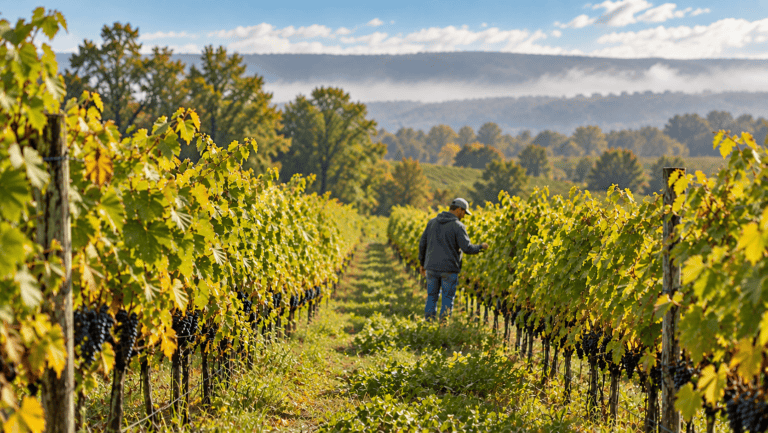
Harvest season will always bring its own pressures and unpredictability. By being prepared for the worst, wineries can focus on delivering their best without unexpected snafus.
By Larry Chasin
As harvest season approaches, it naturally becomes the focus for winery teams. Yet as recent seasons have shown, weather shifts and wildfire activity can add new layers of complexity. Outside pressures can sometimes push safety and risk considerations down the priority list. According to Bloomberg, difficult weather patterns and wildfires have led to unpredictable wine harvesting seasons in recent years.
In 2024, growers across the world experienced low volume in their harvests. This year, the priority for winery owners may be to double down on production to overcome last year’s harvest disappointments and set their businesses up for greater success in the year ahead. Extra pressure on production and results can create less emphasis on proper safety and risk mitigation measures — a dangerous proposition for wineries.
Maintaining safety protocols and creating a culture around risk mitigation is essential to avoiding losses that can impact production and derail business. This starts by understanding the common claims drivers around harvest season.
As climate change creates extreme weather events and new weather patterns, the most common drivers of losses at wineries during harvest season are shifting. Here are some top safety concerns to consider this harvest season.
Risk #1: Wildfires
Wildfires continue to be one of the most pressing threats for wineries. Recent events, such as the Pickett Fire in Napa Valley and the Greater Los Angeles wildfires, highlight how quickly these disasters can escalate. Damages from the LA wildfires reached up to $164 billion and (as of press time) Pickett was estimated at close to $70 million. Even when flames don’t touch a property, related issues such as power outages, smoke exposure or evacuation orders can disrupt operations.
Risk Mitigation Tip: Clearing defensible space is essential when considering the risk of wildfires. Wineries should clear all vegetation within 100 feet of buildings and structures. Gutters should also be cleaned, and staff should inspect all roof sprinklers to ensure they are operational in advance of a fire. Make sure additional reservoirs for fire and fire suppression systems, including fire pump and fuel, are topped off and working as they should. Wineries should also have all extinguishers serviced regularly and stationed appropriately.
Even if a winery does not experience direct damage from a fire, blackouts and power outages can impact the business. Ensure you have backup power sources to maintain product and confirm all backup power is functional and fueled.
Lastly, ensure the business is prepared for civil authority exposure. In a wildfire, the area will likely be under mandatory evacuation and employees may not be able to get to work. Have an employee phone tree and communications plan in place. Ahead of a fire, train team members in all critical positions so they will be ready to help in any way possible should staffing shortages occur.
Risk #2: Crush Pad Safety
During harvest season, winery personnel are often gathered around crush pads to handle the bulk of production. Many crush pads are small, meaning there are many people working in tight spaces with dangerous equipment. Harvest season is also an incredibly busy time, and wineries will often hire interns and part-time help to manage this additional work. In tandem, the tight spaces and larger number of employees can increase liability, especially if new team members are not thoroughly trained on crush pad safety protocol.
Risk Mitigation Tip: Because crush pads are busy and often crowded during harvest, wineries should rely on clear, consistent protocols to help keep teams safe, especially when seasonal staff or interns are involved. Regular refreshers on safe practices help maintain smooth and safe operations at the busiest time of year.
Risk #3: Equipment Breakdown
Harvest season creates the greatest strain on equipment at wineries. Any equipment breakdown can derail operations and lead to significant downtime while wineries seek out replacement parts or machinery.
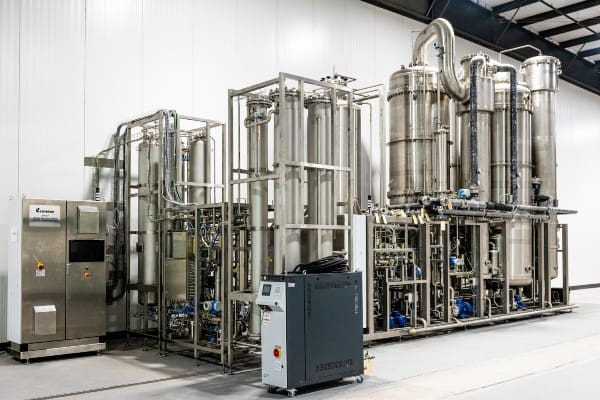
Risk Mitigation Tip: Preseason servicing is one of the simplest ways wineries can reduce downtime risk. Checking bottling machines, crushers and emergency shutoffs before the season begins will help avoid costly interruptions. Some wineries also keep photo records of equipment and inventory to streamline the claims process if something goes wrong.
Safety first
In addition to these best practices, there are a few basic safety tips to consider. Wineries should be stocked with easily accessible first aid kits. Wash stations and chemical spill kits should be available. And all staff should know the protocols and understand how to react to red flag warnings and evacuations.
Harvest season will always bring its own pressures and unpredictability. But by continuing to strengthen safety practices and preparedness, wineries position themselves for smoother operations even in challenging years. A specialty insurance partner can provide an added layer of support, helping translate industry-wide lessons into practical safeguards for each business.

Larry Chasin is president and CEO of PAK Programs, which provides insurance programs for wineries, vineyards, breweries, wine & liquor retailers, cideries, meaderies, distilleries, liquor & wine importers and distributors. He can be reached at larryc@pakprograms.com. An insurer that specializes in supporting wineries will be able to offer business owners tailored risk mitigation tips and advice to ensure their business is protected against the range of harvest season risks.