Not all packaging suppliers are created equal. Here are some considerations before making your choice.
By Paul Denton
Given the challenges facing the wine industry today, choosing the right packaging supplier is more important than ever. While it may seem like all packaging companies are the same, that is not the case. From navigating supply chain complexities to managing tariffs and pricing fluctuations, a packaging supplier can do more than sell you bottles. Here are some things to consider when selecting your perfect packaging partner.
What Is Its Global Reach?
Given the unpredictable nature of supply chain disruptions, wine businesses must prioritize building resilient supply chains capable of adapting swiftly to market changes. Flexibility is crucial for maintaining supply continuity, operational efficiency and exceptional customer satisfaction in these uncertain times. Packaging suppliers with global reach are at an advantage.
Some packaging manufacturers specialize in just one material, while others only partner with specific suppliers in certain countries. Finding a packaging partner that is not limited by product type or geographic region can prevent disruptions and save you time and money. A packaging partner with a global network of suppliers can search the world for the best packaging at the best cost — managing time differences, language barriers, quality expectations, compliance issues, production scheduling, customs clearances, logistics management and more, so you don’t have to. Having global reach also allows for dual sourcing (using multiple suppliers for the same product to reduce risk and increase flexibility).
Help with inventory management
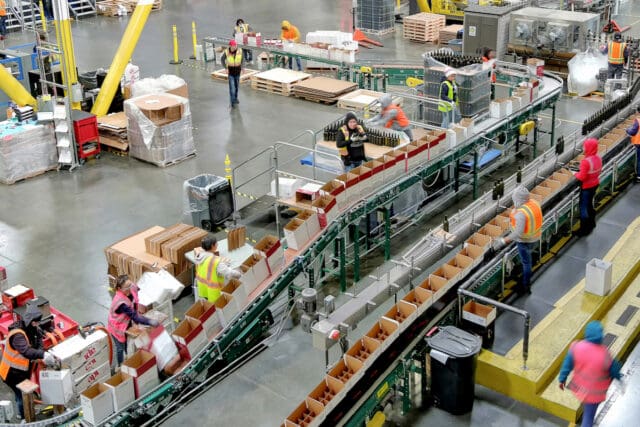
Inventory management and inventory strategy are key elements of a wine company’s operational practices. Inventory can represent up to 20% to 30% of total assets, with packaging supplies often representing a sizable portion of this value. There are costs associated with developing and maintaining inventory, including housing it, handling it, insuring it and administering it. This is money that could be better spent elsewhere to grow your business.
Working with a packaging supplier that has a dedicated team of demand planners to help accurately forecast future needs can help you prevent unnecessary inventory costs. Some companies use tools and systems that provide real-time alerts to help them right-size supply when demand changes, dynamically adjust safety stock and avoid aged ware and stockouts.
Warehousing and repacking
Storing packaging in your own warehousing or distribution locations comes with high carrying costs including rent, utilities, maintenance and equipment. It also requires a team to oversee the inventory and manage shipments. Partnering with a packaging supplier that can handle warehousing, inventory control, inbound and outbound logistics, and timely product delivery can remove inventory from your balance sheet and reduce inventory-related expenses from your income statement. Also, suppliers that provide turnkey wine repack services can improve your bottom line by reducing your costs and improving your productivity.
In-house design services
Great design is a highly effective way to build a wine brand. With an increasingly crowded marketplace, wine package design needs to disrupt and engage now more than ever. Studies show that brands have only a few seconds to capture a consumer’s attention as they scan the retail shelf. Compelling branding can attract attention and close the sale. However, design agencies can cost hundreds of thousands of dollars. Packaging suppliers with in-house design capabilities can provide a holistic approach to package design, driving efficiencies and maximizing impact.
What about sustainability regulations?
Today’s consumers want to support brands that align with their values and lifestyle choices, driving demand for environmentally and socially responsible products. Given ongoing consumer interest, retailer requirements, government regulation and corporate commitments, sustainability is one of the biggest trends impacting packaging and consumer packaged goods — including in the wine industry. The right packaging supplier should understand the latest sustainable packaging regulations and innovations to help wine customers make informed and impactful decisions.
Not all packaging suppliers are created equal. It is essential to ask questions about what services are provided that can add value and save you time and money.

Paul Denton
Paul Denton is sales director at Berlin Packaging, specializing in packaging solutions for the wine industry. With a deep understanding of glass packaging and the unique needs of wine producers, he partners with customers to develop solutions that elevate their brand, align with their business goals and drive profitability.
Berlin Packaging is the world’s largest Hybrid Packaging Supplier, providing all the above services under one roof. It has decades of experience providing wineries and wine distributors with premium, affordable packaging solutions delivered on time and within budget. Berlin Packaging has a large selection of in-stock packaging options, a global network of supplier partners, award-winning branding and custom design capabilities, warehousing and inventory management, quality control, sustainability expertise, and more. Many of these services are provided at no additional cost. Learn how we can help you Package More Profit at www.berlinpackaging.com