Your physical space is more than a backdrop, it’s your greatest asset in a crowded market.
By Mailn Dubets, Katelyn Peterson and Leia Reedijk
In today’s wine landscape, slowing sales and shifting consumer behavior have made one thing clear: having great wine is no longer enough. What drives loyalty now is connection, and the most successful wineries are using their physical spaces to deliver it.
From tasting rooms to outdoor patios and event-ready cellars, wineries are in a uniquely advantageous position. In an era when people are eager to reconnect in real life, you already have the one thing most brands don’t: a beautiful place people want to visit. But in a landscape full of scenic properties and solid wine, being “good enough” won’t cut it. Standing out means creating experiences that are not only memorable, but unmistakably yours.
In-Person Matters More Than Ever
A 2024 Zippia study found that 76% of consumers now prioritize experiences over material goods. After years of digital fatigue, people are seeking ways to engage their senses, spend time with others and feel something new. For wineries, that presents a major opportunity, but only if you treat your space as more than a setting.
The tasting room is part of it, but the broader opportunity is to think beyond the traditional format. Yes, tastings should feel immersive and intentional. But events, partnerships and unexpected moments of delight can be just as powerful. When thoughtfully executed, these experiences do more than entertain; they build affinity, increase brand awareness and give people a reason to come back (and bring friends).
Making the Experience Your Own
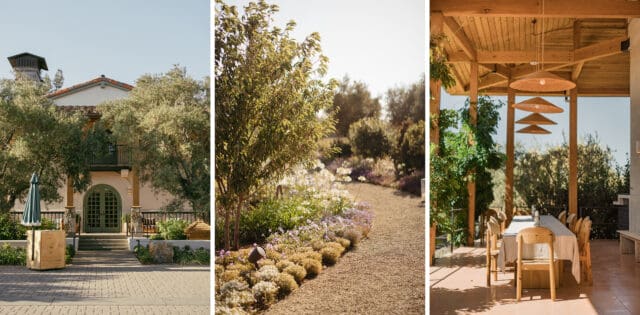
Many winery spaces were designed during periods of expansion, with decisions driven more by production needs or generic aesthetics than by emotional impact. That’s led to a sea of tasting rooms that look and feel similar: polished stone, a lineup of wines, a friendly but scripted host.
To make your space work harder, start with your brand. What do you stand for? What kind of experience do you want people to associate with your wine? Then, find ways to activate your space that reflect those values, whether through tastings, events or a combination of both.
- For lifestyle-driven or high-end wineries, the focus should be on curation. Details matter: consider how color, furniture, lighting and printed materials can reinforce a sense of elevated ease. Thoughtfully designed events — such as curated dinners, wellness experiences or art-forward programming — can help guests feel like tastemakers just for being there.
- For natural producers or accessibly priced wines, the goal might be to create an atmosphere that feels personal, unpolished and grounded. That could mean casual pop-ups with a local bakery, collaborations with community growers or simple spaces where guests are encouraged to linger and ask questions. Informality, when intentional, can be just as compelling as polish.
A Few Great Examples
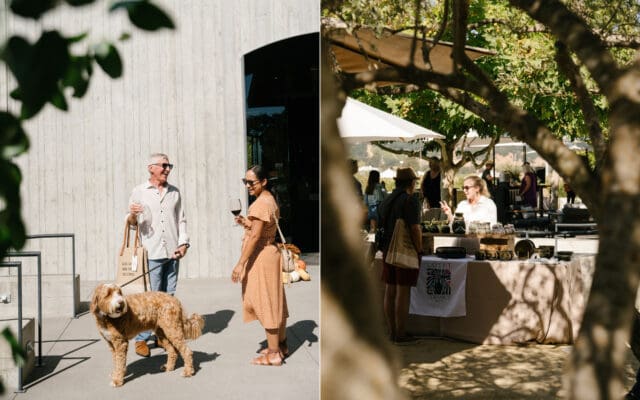
Clos du Val in Napa blends lifestyle and sustainability, offering events such as farmers markets, yoga sessions, hosted dinners and hot air balloon rides. These aren’t just one-offs — they’re natural extensions of the brand’s welcoming spirit, eco-conscious practices and thoughtful approach to hospitality. The same care that goes into their winemaking is reflected in the way they design these experiences, reinforcing the quality of the wine and deepening their ethos at every touchpoint.
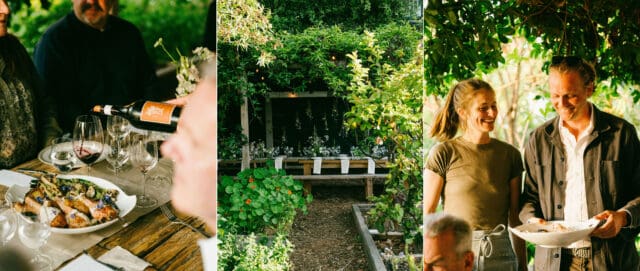
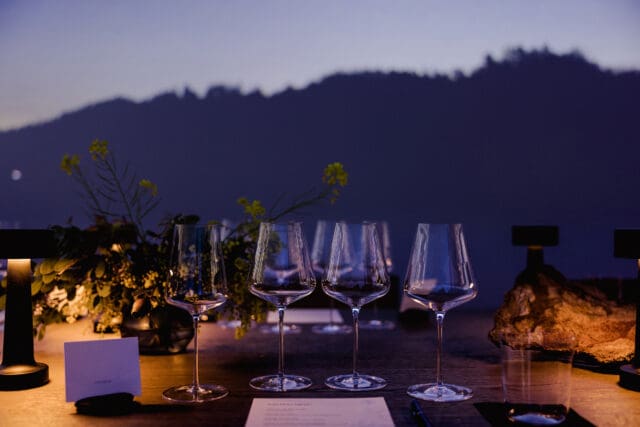
Also in Napa Valley, Ink Grade’s SENSES experience redefines immersion. Guests are guided through a sensory journey that includes video projections, native plants, volcanic rock and the scent of eucalyptus, all paired with elegant printed materials that mirror the landscape. The result is unforgettable, and visitors return to share it with others.
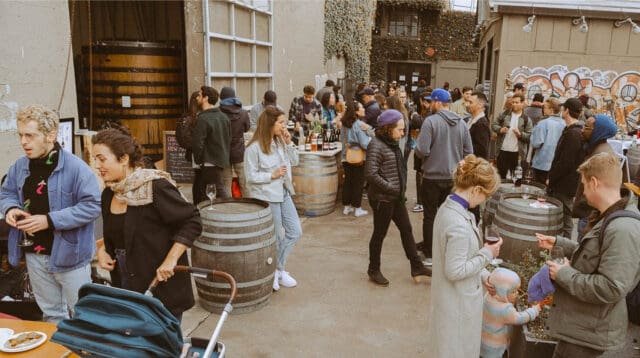
Donkey & Goat, a natural producer in Berkeley, keeps it refreshingly low-key. The space is unpretentious and community-centered, with handwritten menus and approachable, knowledgeable staff. The vibe reflects their ethos: transparent, real and human. Events including their “bloc parties” help bring regulars back and make new guests feel like insiders.
Small Touches, Big Impact
You don’t need to overhaul your entire brand or build an amphitheater. Some of the most memorable experiences come from simple, thoughtful choices: a takeaway card or print guests want to display. A playlist that sets the mood. A partnership with a beloved local chef or flower farm. These details add up. They make a visit feel intentional and worth remembering.
The Takeaway
Your physical space is more than a backdrop, it’s your greatest asset in a crowded market. Tastings can be a powerful entry point, but the real opportunity is bigger: to turn visits into lasting memories and casual guests into advocates.
Wineries have always been about place. Now is the time to make that place truly your own.
Edition

Malin Dubets and Katelyn Peterson (left and center, respectively) are cofounders and art directors of Edition, a multidisciplinary design studio with offices in San Francisco and Portland. Leia Reedijk (right) is the company’s senior designer. Edition specializes in brand identity, web, packaging, and print — helping brands, including wineries, translate who they are into compelling, intuitive experiences online and off. From websites to tasting collateral, Edition creates thoughtful, design-led work that resonates. With a global client base and a personal, collaborative approach, the firm builds brands that are as strategic as they are striking.