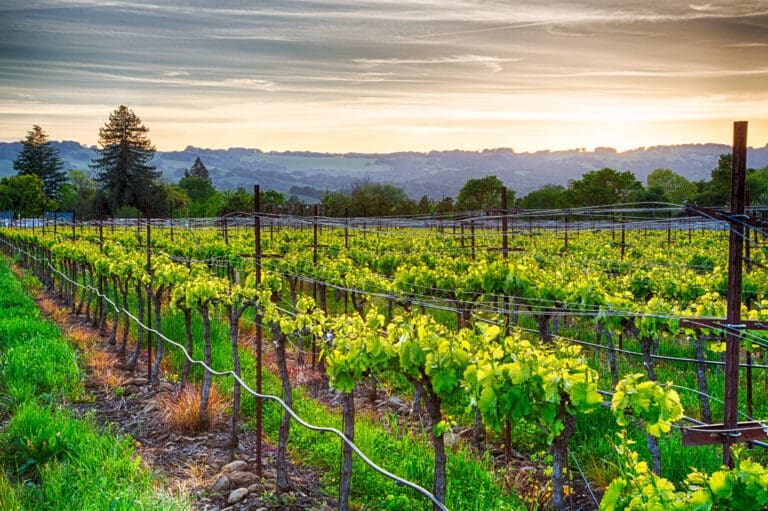
Will the earth continue to grow grapes? Will humans continue to consume wine?
Those are the key questions—of supply and demand—that the wine industry faces today.
Surviving them will require hope, grit, and unity.
Challenges versus Threats
Wine is famously cyclical, often with seven-year ups and downs. But in the 44 years I’ve been in the wine industry, I’ve never seen as daunting a blend of challenges and threats as today.
Challenges, if addressed promptly, can be relatively short-term in impact and generally affect marketing and sales—generational shifts, communication channels, RTDs, legalized marijuana, intoxicating hemp, wholesaler consolidation, tariff retaliation, gas prices, tourism shrinkage, DtC declines, the cost of living, and much more.
It’s tough out there.
The good news is that people who pay attention have lots of valuable information available from wine marketing, communication, and finance experts who speak at conferences, publish studies, share data, and offer free promotions for the common good.
The info is there. What winery teams need to do is listen, learn, and change. Fast.
Existential Threats: The Long-Term View
Existential threats—climate change and Prohibition—are long-term and potentially devastating. (And I am not Chicken Little!)
Wildfires, hurricanes, and freezes have always been part of this wonderful Earth we call home, but never with the frequency, intensity, and scope we see today.
The good news is that the grape and wine community has traditionally been ahead of the curve in cherishing and protecting the planet, and that commitment has only increased. Organizations like the Porto Protocol, Regenerative Viticulture Foundation, and Wine Institute’s Sustainable Winegrowing Program—and wineries like Brooks Wine (OR), Tablas Creek (CA), and The Vineyards at Dodon (MD)—are leading the way.
The smartest thing wineries can do is heed the information, get involved, and adopt best practices.
Prohibition: “Why Don’t You DO Something?!”
On the issue of wine and health, the American wine industry is in the fight of its life with two hands tied behind its back—by government regulations and fear of lawsuits.
“No Safe Level” (of alcohol consumption) is the mantra of the World Health Organization, of which the United States is no longer a member. That simple concept is spreading around the world, largely thanks to significant media coverage in countries like the U.S. Compared with the anti-alcohol campaign in the late 1980s, this is far more serious and is already one of the major factors driving the downturn in wine consumption.
In Europe, several organizations are addressing the issues in different ways: Alcohol in Moderation (AIM) by critiquing the latest research on alcohol and health; Wine in Moderation (WIM) by hosting educational conferences and providing legitimate information about what makes wine special; and the International Alliance for Responsible Drinking (IARD) with its focus on preventing the harmful use of alcohol while defending the right of people to enjoy it responsibly.
But the United States is a puritanical, legalistic, and litigious society. (If this continent had been colonized by France instead, just imagine how different life would be, especially around wine.)
American wineries are licensed by the federal government, which prohibits them from saying anything positive about the health effects of moderate wine consumption, even when backed up by sound medical and scientific research.
Lurking in the wings are product liability lawyers pondering massive class action suits now that tobacco issues are long settled. So they’re just waiting for wineries, or winery trade associations that represent them, to take a wrong step.
The Magic of Wine and Come Over October
But there’s nothing illegal or improper about the truth.
—Wine is a 6,000-year-old cultural phenomenon produced in 60 countries and consumed in even more.
—Grapes preserve the earth, beautify the landscape, and attract millions of tourists.
—Wine drives local economies and is the ultimate value-added product from vine to glass, generating jobs, wages,and taxes around the world.
—Wine has inspired poets, philosophers, and even politicians to celebrate its natural origins, infinite variety, and marriage with food.
— Wine—not water—is the global toast for births, graduations, weddings, holidays, ship launchings, peace treaties, religious rites, and just hanging out with friends.
Those are among the assets of wine described in The Magic of Wine™, a section on WineAmerica’s website that was created years ago when the most recent Prohibitionist movement began.
The Antidote to Loneliness
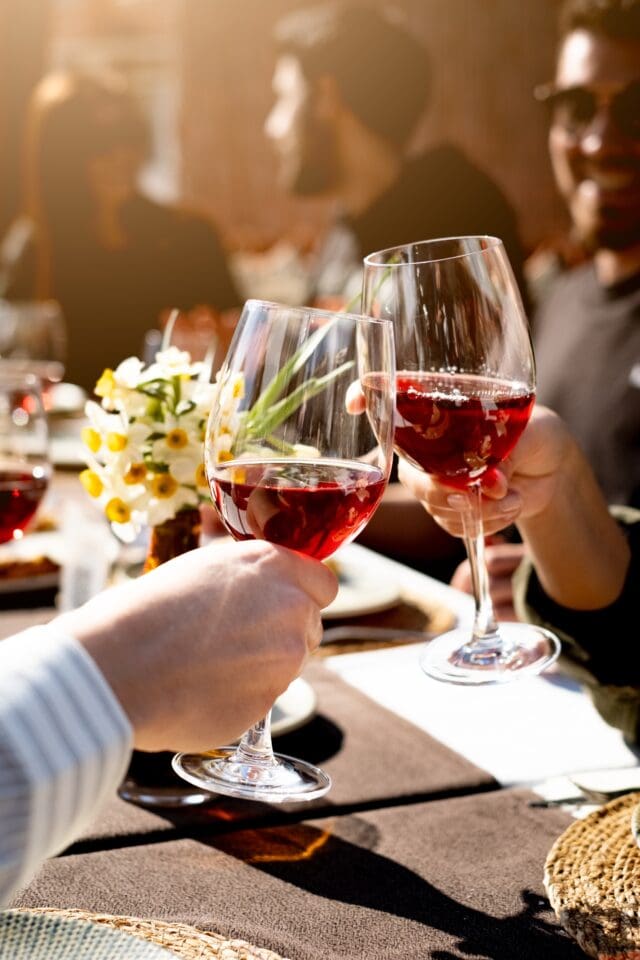
Perhaps most important, wine is the beverage that brings people together at a time when Dr. Mehmet Oz has said, “I think we need to focus as a nation on how lonely people are. Loneliness is pathological.”
“Come Over October” addresses that head-on. Created by top wine communicators Karen MacNeil, Kimberly Charles, and Gino Colangelo three years ago, this tiny idea has become an international celebration of wine because it is simple yet powerful, free, and highly contagious. The idea: let’s enjoy some wine together.
Various wine organizations have also created programs to spread wine’s value to the world. Napa Valley Vintners’ “Why Wine?” video series includes many answers from different people. And an increasing number of social media reels address the same question in unique and often fun ways.
Women for WineSense, created decades ago by Napa vintners Michaela Rodeno and Julie Johnson, has also revived its grassroots campaign to counter misinformation.
Hope, Grit, and Unity
So how do we fight these existential threats? With hope, grit, and unity.
Hope is what lifts us out of bed to tackle the challenges and threats we face without forgetting how fortunate we are to be wine people. Never give up. Always show up. Savor the positive.
Grit isn’t just being tough, but also being smart. Set aside 10% of your time, focus, and money for existential threats. Consume information, and educate others. Don’t just grudgingly accept change; drive it proactively and celebrate your successes.
Unity—working with others—is the most powerful force we have as a community. Trade associations identify problems, propose solutions, and advocate for a better future. You are not paying “dues” but investing in your future. And informal collaboration is an option every day in every way.
Times are tough, but so are we.
You can do it.
WE can do it.
Let’s.

Jim Trezise has been a leader in the wine industry for over 4 decades, having served as President of several organizations including the New York Wine & Grape Foundation, International Riesling Foundation, and WineAmerica. He lives and works on Keuka Lake in the fabulous Finger Lakes region of upstate New York.