By Jim Trezise
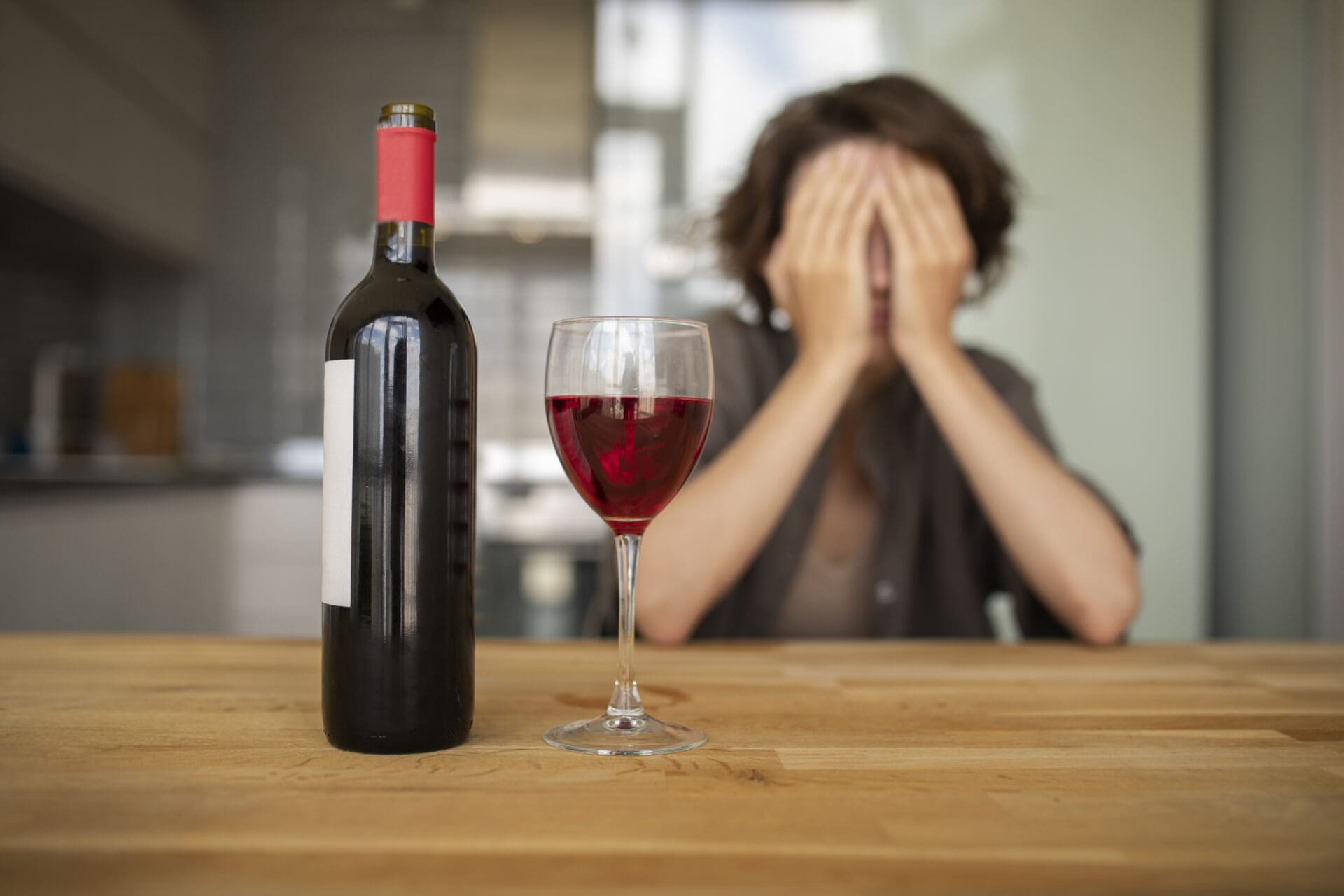
Wine is dying.
The vital signs are alarming, the symptoms are clear, the causes are serious, and the prognosis is grim.
The symptoms: Vineyards are disappearing, wineries are closing, former employees are jobless, and consumers are fleeing. The sky is falling.
Just look at some recent data:
- Last fall in California, 2.7 million tons of grapes were crushed—the smallest amount since 1994.
- Across the U.S., after steady increases over many years through 2023, the number of wineries dropped by 3% from 2025 to 2026, including in four of the five major wine-producing states. Only four states notched tiny increases, six were flat, and the other 40 declined.
- The largest wineries have been laying off hundreds of employees and closing facilities.
- The number of “Core” wine consumers has been steadily shrinking, with younger drinkers increasingly reluctant to embrace wine.
- Competition has skyrocketed within the alcohol beverage sector along with legalized cannabis and, alarmingly, unregulated and untaxed intoxicating hemp.
- The anti-alcohol movement, fueled by the World Health Organization, is having a major impact on media coverage and consumer behavior worldwide.
- Climate change is fueling wildfires, floods, and alterations of what grapes can grow where.
Is this the oeno-apocalypse?
Calm down and have a glass of wine. After all, haven’t we seen this movie before?
- Decades ago the widely planted Zinfandel grape in California was virtually dead—until Sutter Home transformed it into a lovely pink, tantalizingly sweet “Blush” wine, spawning an entirely new product category that lured new wine drinkers.
- The neo-Prohibitionists were on a roll in the 1990’s—until the CBS newsmagazine 60 Minutes aired “The French Paradox” describing the health benefits of moderate wine consumption, which immediately boosted wine consumption and inspired major international wine-and-health research.
- Michaela Rodeno, Julie Johnson and others created Women for WineSense to counter anti-alcohol propaganda with facts and reality, and the group continues the good fight today under the leadership of Amy Gross.
- Highly subsidized European wines were flooding the U.S. market in the 1980s until Congress passed the Wine Equity Act which started leveling the playing field.
- The 2008 stock market crash killed restaurant wine sales for a period until the economy began rebounding.
- The recent Covid crisis shuttered winery tasting rooms, forcing owners and marketers to focus on increasing direct-to consumer shipping and boosting their wine clubs.
- New wineries kept opening during the Covid era, with the highest number recorded at the beginning of 2023
- Relatively few states had wineries until enlightened legislation spurred their development, so now all 50 states produce wine—the All-American Art Form.
- Wine generated $323 billion for the U.S. economy in 2025—up from $276 billion in 2022.
“Wei Ji” is the Chinese word for crisis, with Wei meaning crisis, and Ji means opportunity. In ancient Chinese philosophy, opportunities often arise from crises.
The current crisis is an opportunity for us to wake up, focus, change and succeed.
Fortunately, there are people, organizations, and movements that can help us do just that:
- The Porto Protocol, the Regenerative Viticulture Foundation, and Wine Institute’s Sustainability program are just a few of the resources promoting responsible stewardship of our Earth.
- Danny Brager, Mike Veseth, Rob McMillan, and Liz Thach of the Wine Market Council are among many experts in market and financial analysis who give us a dose of reality and prescriptions for dealing with it.
- Through Alcohol in Moderation (AIM), and the International Scientific Forum on Alcohol Research (ISFAR), a group of top international physicians and scientists regularly critiques the credibility and value of the latest studies on alcohol and health.
- NBC Nightly News recently ran a segment citing recent research confirming that moderate consumption of wine—and wine alone—has clear health benefits.
- The International Alliance for Responsible Drinking has a proactive program to decrease the harmful use of alcohol around the world, and to provide reliable resources giving a comprehensive view of alcohol and society.
- WineAmerica and Wine Institute work closely, and with dozens of state and regional associations, to protect and enhance the business climate for wine through public policy advocacy, while FIVS works on the international level.
- The Unified Wine & Grape Symposium, the Eastern Winery Exposition, the North Coast Wine Industry Expo and many state conventions help educate the wine community about problems and opportunities.
- World-class research universities like Cornell, the University of California system, Oregon State University, Washington State University and others help growers and wineries focus on quality, productivity, and social responsibility, while the National Grape Research Alliance defines key research priorities.
- Creative marketing initiatives are popping up everywhere, like the brilliant Come Over October international celebration of wine, the License to Steal national wine marketing program, the Wine Atlas Collective among top wine producers, the new Method Oregon group promoting traditional method sparkling wines; and established organizations like the Seneca Lake Wine Trail reflect just some of the groups thinking WAY out of the box to market wines collaboratively
Wine is here to stay
Today’s wine industry woes remind me of a man I know who just last fall grew very ill and had to have three major surgeries in a row, ending with open-heart. Four trips to Urgent Care, two to ERs, five admissions in three different hospitals, six weeks on his back, multiple IV’s in both arms, inedible hospital food, loss of muscle mass, fog-inducing pain killers. His family feared he wouldn’t make it.
Today he feels better than ever: 30 pounds lighter, with energy, focus and drive, a great diet, lots of exercise, and most likely an additional decade of good quality life because he faced and survived the crisis.
That would be me.
Wine is not dying. It’s just changing with the times, and will emerge smaller, smarter, stronger, and healthier.
Wine is here to stay. After all, it has uplifted our lives for 6,000 years.
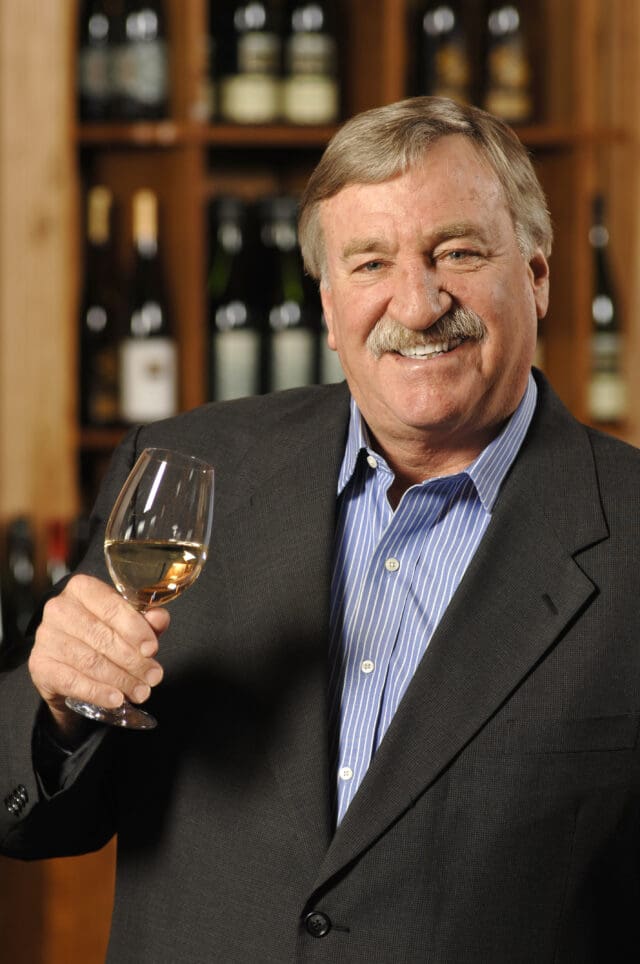
Jim Trezise has been in the American wine industry for 44 years. He has been President of WineAmerica since 2017, and prior to that served on its Board for 20 years. He created and ran the New York Wine & Grape Foundation for 32 years, has served on Boards of several national and international organizations, judges in wine competitions, and has received several national awards and accolades for his contributions to the American wine industry. He lives and works on Keuka Lake in New York’s Finger Lakes wine region.