Analyzing potential ROI before investing in a technology is essential, but it can be hard to know what to focus on when there are so many available options.
By Kathleen Willcox
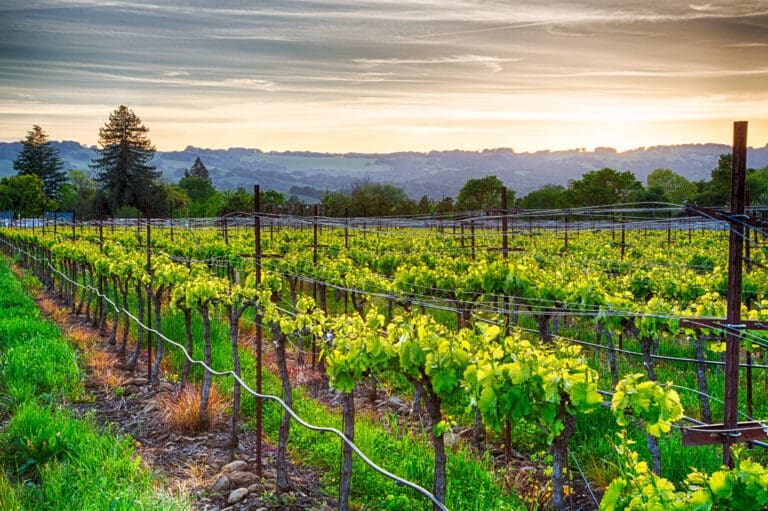
California winemakers are contending with an ever-tighter labor market and fewer bodies to do the work in vineyards. At the same time, the effects of extreme weather and climate change on grapes throughout the season means that growing and harvesting a healthy crop requires vigilance and split-second reactions by the team on the ground.
Human labor isn’t the only thing that’s hard to come by these days — simply finding enough water to ensure a healthy grape harvest is also on many vintners’ minds.
Declining groundwater levels, coupled with an increase in regulations, are making securing and maintaining a reliable water supply increasingly essential for California winemakers. Thankfully, agricultural technology has been advancing, and growers now have an array of tools that deliver ROI, value and scalability.
“Ag tech is advancing from simple solutions to integrated systems that connect inputs across the entire operation,” says Cassie Braswell, head of customer success at HotSpot Ag. “The industry is tackling challenges, from labor shortages and climate change, with the goal of making farming sustainable and profitable.”
Weighing Ag Tech Options
It can be hard to know what to focus on when there are so many tools, from irrigation automation to autonomous vineyard equipment and data-driven software.
“For many growers, the biggest pressures come from labor shortages, water availability and energy costs,” says Braswell. “Any technology that helps tackle these challenges is worth serious consideration. The best place to start is with your own numbers: what are the true cost drivers in your operation? Coming into the decision-making process with clear specifics on your expenses sets you up for an honest conversation with solution providers about potential savings, both immediate and long-term.”
Ensuring Best Practices
Analyzing potential ROI before investing in a technology is essential, but even matching an estate’s weak spots with a precise tech solution won’t be effective if no one uses it.
Val King, owner and operator of the North Coast Water Association, agrees that awareness of the technology, coupled with its availability and efficient deployment of targeted tools, is essential.
“Managing and monitoring water use, and understanding the penalties incurred if you use too much, is one of the most important things you can do to ensure a healthy crop,” King says. “We offer tools that monitor the ground water level and energy use, and if the water level falls below a certain level or the energy use is off, an alert will go out to the vineyard manager so they can address the problem immediately.”
King says good water practices aren’t just important for great grapes, they are necessary for a brand’s healthy bottom line. When groundwater levels fall too low, the water pumping system can be damaged, which can potentially cost thousands to repair. (In larger vineyards, for example, a thirsty coyote chewing into drip lines, can do tens of thousands of dollars in damage, if the leaks are left in place for days on end).
There are also sometimes shocking differences from vineyard to vineyard within the same brand.
“This technology can help our customers understand why the same amount of water may go much further at one farm than at another nearby,” King explains.
Braswell notes that a wide range of tools are available to improve efficiency, sustainability and profitability.
“On the irrigation and fertigation side, automation platforms can schedule and control water and nutrient delivery with precision, often paired with soil and weather data to ensure applications happen at the right time, place, and in the right amount,” Braswell says. “By automating routine and repetitive tasks, growers can shift their focus from putting out fires to planning for success. That’s where ag tech really proves its value — not just in efficiency, but in giving producers the bandwidth to respond when crises occur and to plan strategically for the growing season ahead.”
Go Deeper at the Wine Industry Expo
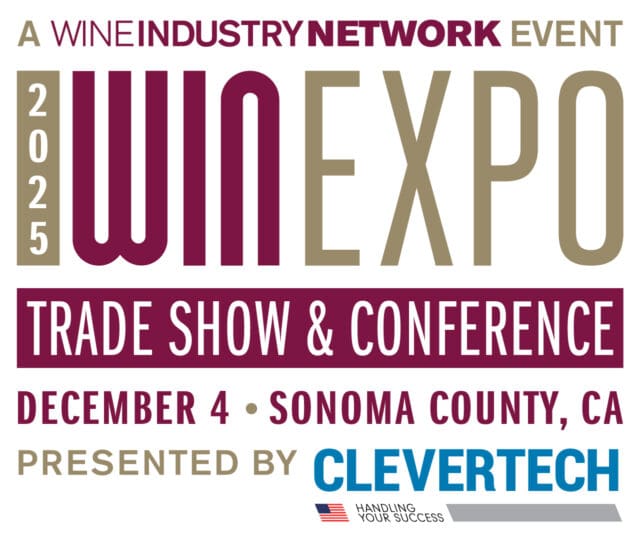
The 13th Annual North Coast Wine Industry Expo is an educational conference designed to give attendees the strategies and insights they need in an evolving and dynamic wine market.
This year’s conference features 12 in-depth workshops across four main tracks: Winemaking & Production, Sales & Marketing, Business Strategy & Leadership, and Vineyard & Growers. The Expo aims to address the biggest problems and concerns across each track, says George Christie, president and CEO of Wine Industry Network.
“Winemaking is a little different. For those sessions, we tend to lean towards what’s new,” Christie explains. “The vineyard guys tend to focus on efficiencies such as where they can save money or new regulations that they may need to adhere to.”
The Wine Industry Expo will take place Thursday, December 4, 2025 at Sonoma County Fairgrounds in Santa Rosa, Calif. The show will run from 9 a.m. to 4 p.m. At 9:30, Braswell is moderating a discussion about the AgTech Investment Dilemma: Determining Which Tech Solutions Meet Your Needs.
At 11:30 a.m., attendees will have the opportunity to sit in on a panel led by King that will address Groundwater Security and the Sustainable Groundwater Management Act.
Register for the conference here.

Kathleen Willcox
Kathleen Willcox writes about wine, food and culture from her home in Saratoga Springs, N.Y. She is keenly interested in sustainability issues, and the business of making ethical drinks and food. Her work appears regularly in Wine Searcher, Wine Enthusiast, Liquor.com and many other publications. Kathleen also co-authored a book called Hudson Valley Wine: A History of Taste & Terroir, which was published in 2017. Follow her wine explorations on Instagram at @kathleenwillcox.