Five questions every winery should be able to answer about its imagery before the next selling season.
For most wineries, the visual library is the part of the operation no one owns. It accumulates. A photo shoot from two vintages ago. A label render done in a rush before a portfolio review. A handful of lifestyle shots from a partner. A bottle shot a distributor sent back because the gold logo doesn’t read.
Everyone has a folder like this. Almost no one has a way to measure what is in it.
That is the gap I keep running into across the 2,000-plus beverage brands we have produced imagery for. The strategy decks talk about brand cohesion. The buyer conversations turn on the sell sheet, the distributor portal, the DTC product page, the social grid. And in the middle is a visual asset library that nobody has stress-tested against any of those surfaces.
For the last six months, I have been trying to give that gap a measurement. Not a vibe. Not an audit dressed up as one. An actual question set that any winery marketing lead can sit down with and answer in twenty minutes, then revisit twice a year.
The result is what we are calling the Visual Scorecard. Five sections. Each one asks a different version of the same question: what does your visual library actually do for the brand right now, and where is it silently working against you?
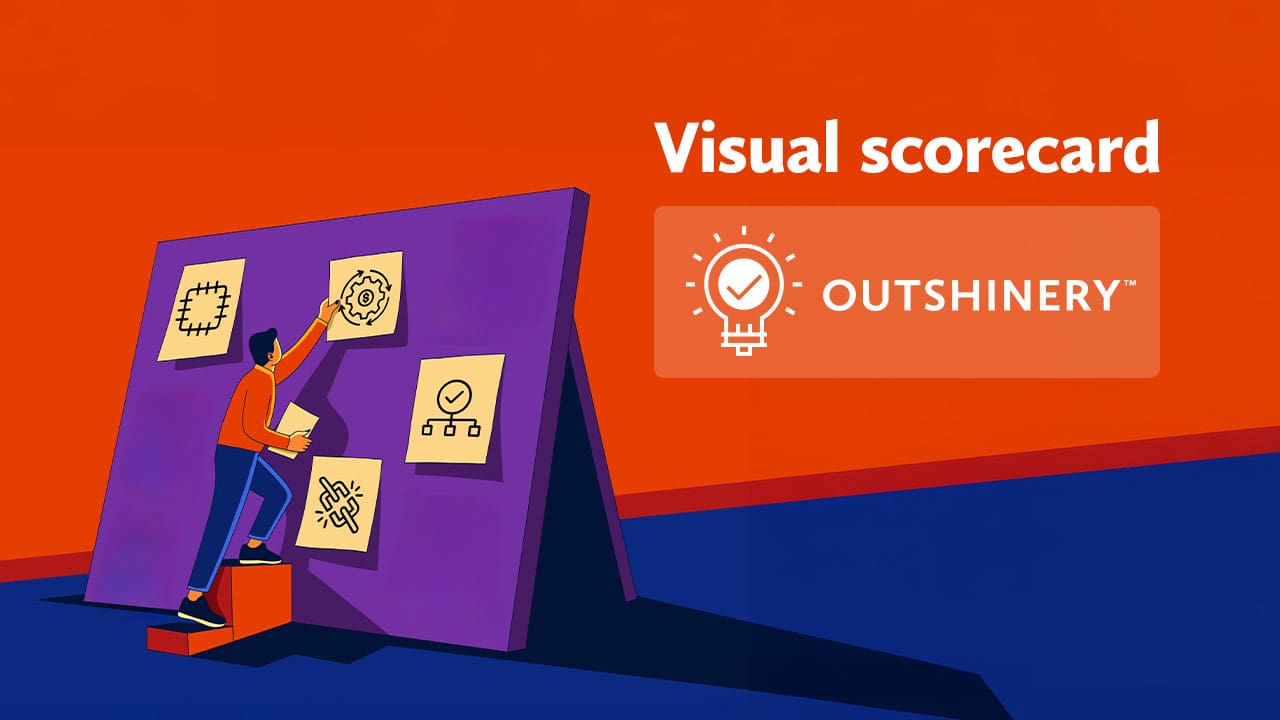
The five sections, in plain language:
- Library completeness, does every active SKU have a current, on-brand image set, including the formats your buyers ask for most? The magnum, the gift pack, the new vintage that just released?
- Visual consistency, do your images look like they belong to the same brand across surfaces? The hero image on the website, the row image on the distributor portal, the post on Instagram, the slide in the buyer deck.
- Channel readiness, are your images sized, cropped, and color-managed for the platforms that actually matter to your sales motion? A 4:5 social crop, a 1:1 retailer thumbnail, a transparent-background PNG for catalog use.
- Production process, can you get a new vintage shot in time for pre-sell, or are you always one selling season behind?
- Image type diversity, is the library more than a straight-on bottle shot? A product page, a sell sheet, and a social grid each ask for a different kind of image: the clean pack shot, the lifestyle scene, the group shot of the full lineup.
None of these are surprising on their own. What is surprising is how rare it is for a winery team to be able to give a confident, current answer to all five. Most teams I talk to can answer two or three. The rest are the source of the silent friction: the buyer sees an out-of-date label on a wholesaler portal, the social manager grabs the only available image even though it is the wrong format, the new vintage launches without a complete shot set because no one was watching the bottling calendar.
The visual library is infrastructure. It either compounds in value as the brand grows, or it accumulates as debt. The difference between the two is not budget. It is whether someone is keeping score.
I am sharing the full Scorecard, with prompts for each section and a simple readiness rating, at outshinery.com/visual-scorecard. The point is not to score well. The point is to know where you stand before the next selling season, when the gaps cost real revenue.
If you work in winery marketing, distributor relations, or DTC operations, I would be curious to hear which of the five sections you find hardest to answer. That is usually the one worth looking at first.

Laurie Millotte is the Founder of Outshinery, which produces photorealistic 3D product imagery for wine, beer, spirits, RTD, cider, and cannabis brands. Outshinery has produced imagery for more than 2,000 beverage brands and serves as the mandatory imagery partner for the 2026 Wine Business Monthly PACK Design Awards.