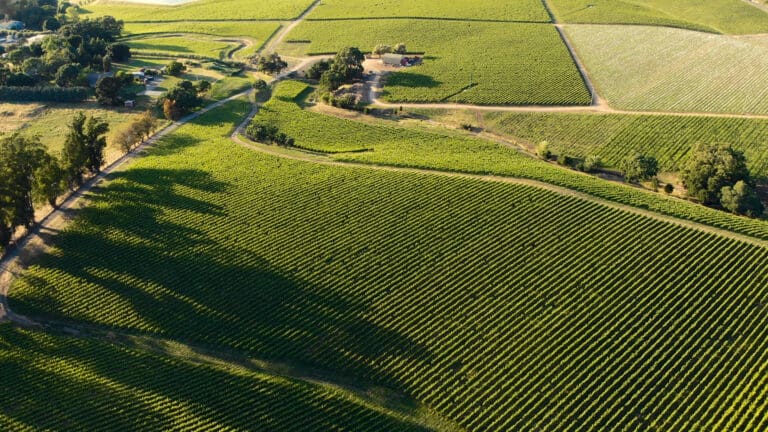
The climate is increasingly unstable. Historically warm winters are punctuated by ice storms and dangerously cold temperatures. Budbreak often precedes the last hard frost. Summer brings droughts interrupted by torrential downpours. Harvest, hurricanes, and wildfires dominate late summer and fall.
The usual industry prescription to adapt to climate change is to replant with heat-tolerant varieties and change cultural practices. While clearly helpful, these measures are limited and unlikely to solve a challenge of this magnitude. A colleague in Provence has endured, in order, frost, wildfire, frost again, flooding, mudslides, and a second wildfire, all within the last six years. Heat-tolerant vines don’t address any of these problems. My friend sold his business.
Biologist Olivier Hamant reminds us that the organizations most likely to prevail in uncertain times are extremely adaptable, not those that are highly adapted to the world as it was. Robustness, the ability to respond to changing conditions, rather than efficiency, is the best path for the long haul. Drawing on his study of the natural world and evolution, Hamant suggests three principles to help us make the transition.
The first is to build redundant systems. Functioning ecosystems remain stable over time because they have multiple backup systems, even though we rarely notice them until they vanish. Bird populations have been declining in the eastern United States for decades. Still, we didn’t see the consequences in western Maryland until White-Nose Syndrome decimated small brown bat populations. As nature’s robust pest control finally collapsed, local farmers increased pesticide use, resulting in rising asthma mortality among children.
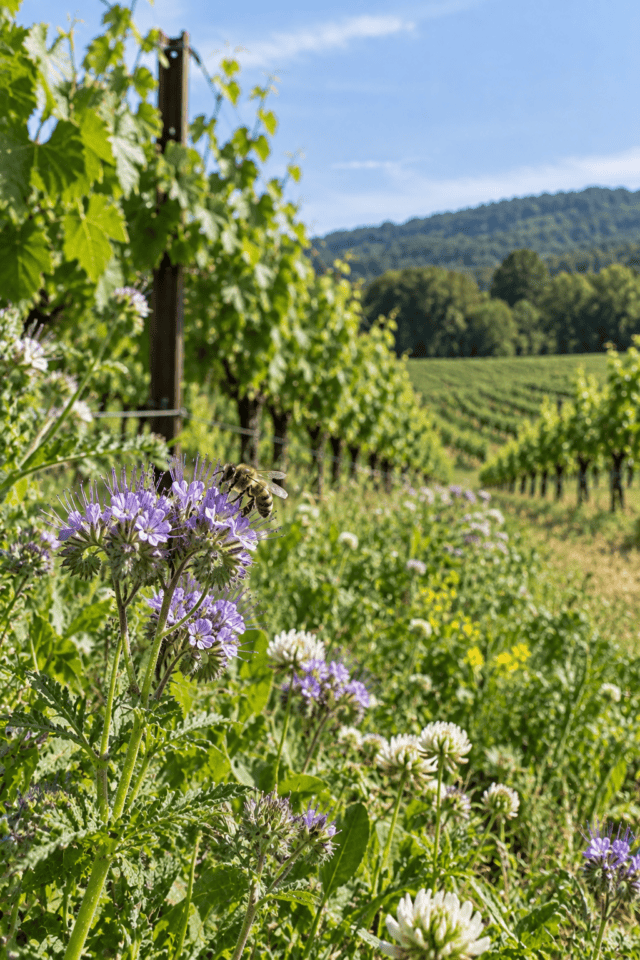
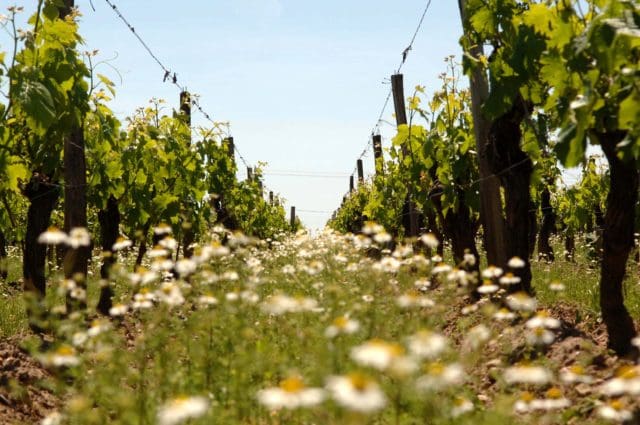
At our small mid-Atlantic vineyard, we’ve built redundant natural ecosystems – diverse, native cover crops, hedgerows, and pollinator meadows, for example – to boost yield, quality, and resilience while dramatically reducing our physical and chemical footprint. We’ve nearly eliminated insecticides, cut fungicide use in half, and reduced tractor passes by eighteen. It may not be the most efficient system, but when poor conditions during fruit set significantly reduced yields throughout the region in 2025, ours held steady.
Collaboration is Hamant’s second adaptation principle. The symbiotic relationship between plants and microbes, in which plants provide photosynthetically derived carbohydrates to the microbes in exchange for water, nutrients, and host defense, exemplifies collaboration in the natural world. The result is healthier plants, disease-suppressive soils, and overall system resilience.
Sharing knowledge and experience is one way that we can collaborate across the industry. The Porto Protocol is an international climate network that hosts virtual panel discussions, publishes case studies contributed by its members, and develops extensive reports summarizing the case studies along with expert commentary. Its Living Vineyards project, which I help lead, has brought together more than 40 leaders in regenerative viticulture to learn from each other and share the group’s collective wisdom with growers worldwide.
Most lasting change, whether in nature or human communities, starts locally. In 2024, the Regenerative Viticulture Foundation started its first One Block Challenge in Paso Robles. Participants collectively choose activities based on what they need and want. The demand for this type of catalyst is massive. Despite very limited resources, RVF has now established at least ten 1BC projects in California, New Zealand, Britain, and South Africa.
Circularity is Hamant’s third adaptability principle. Nature thrives on the idea that waste from one organism becomes another’s treasure. Plants and phytoplankton exhale oxygen, while humans respire carbon dioxide, achieving a stable equilibrium in which each thrives. While the best-known natural cycles – nutrient, carbon, water, and even rocks – are global, local cycles are also crucial to our well-being, inspiring Rudolf Steiner to conceptualize the farm as a living organism.
By creating long-lived substances that aren’t reused, humans have significantly altered these natural cycles. From nuclear power to plastics to antibiotics, we’ve created single-use products that generate hard-to-dispose-of waste worldwide. Micro- and nanoplastics are found everywhere on the planet, including in the human brain, where their levels correlate with dementia.
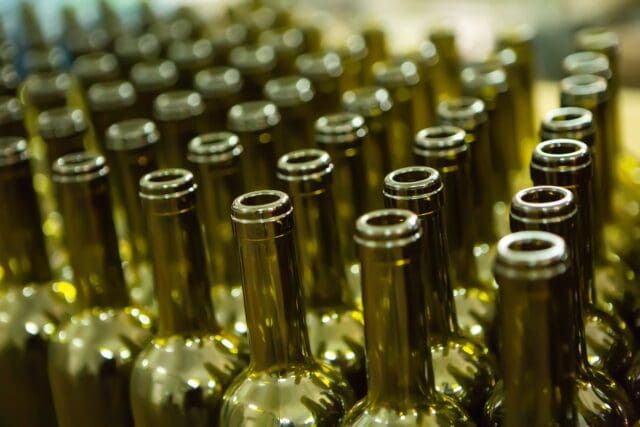
Reusing glass bottles offers the industry an extraordinary opportunity to reduce energy, material, and water use, avoid plastic pollution, and cut packaging costs. More than three-quarters of beer bottles sold in Germany are refilled up to 30 times, so we know the infrastructure exists to collect, transport, wash, and return them. We just need industry and political leadership, coordination, and financing to make it happen at scale.
Along with coffee and cocoa, wine grapes may be the agricultural crop most affected by climate change. Unless we radically reimagine our business approach as one that values robustness over efficiency, collaboration over competition, and reuse over single-use, the industry’s path will follow that of other once widely cultivated staple crops – quinoa, einkorn wheat, erect knotweed, and many others – to inevitable extinction.
Tom Croghan is the Executive Winemaker at The Vineyards at Dodon and the Founding Chair of the Dodon Center for Ecological Farming in Davidsonville, Maryland. He is also a member of the WineAmerica Board of Directors.
Editor’s Note: This article was inspired in part by a recent WineAmerica listening session with Marta Mendonça of the Porto Protocol Foundation and Becky Sykes of the Regenerative Viticulture Foundation.