Two contemporary expressions of Langhe’s identity, crafted with freshness, elegance and respect for tradition

August 31, 2026 (Monforte d’Alba, Italy) — Saffirio produces wines from some of the most prestigious terroirs of the Langhe. At the helm of the winery, Sara Vezza, the fifth generation of the family, guides production according to a philosophy rooted in dedication to the land, respect for tradition and a deep commitment to environment. This vision is shared with Brave Wine, the holding company founded by Renzo Rosso and now a strategic partner of the winery, which has contributed to the development of an entrepreneurial project built on quality, identity, and sustainability.
Saffirio is today the estate in the Barolo area with the highest proportion of woodland in relation to vineyard area: of the 36 hectares overall, as many as 16 are dedicated to woodland and permanent grassland. This choice stems from a clear intention to restore a natural balance between vineyards and biodiversity. In the vineyard, each parcel is managed individually through targeted, non-invasive practices designed to express the unique relationship between grape variety, soil and microclimate.
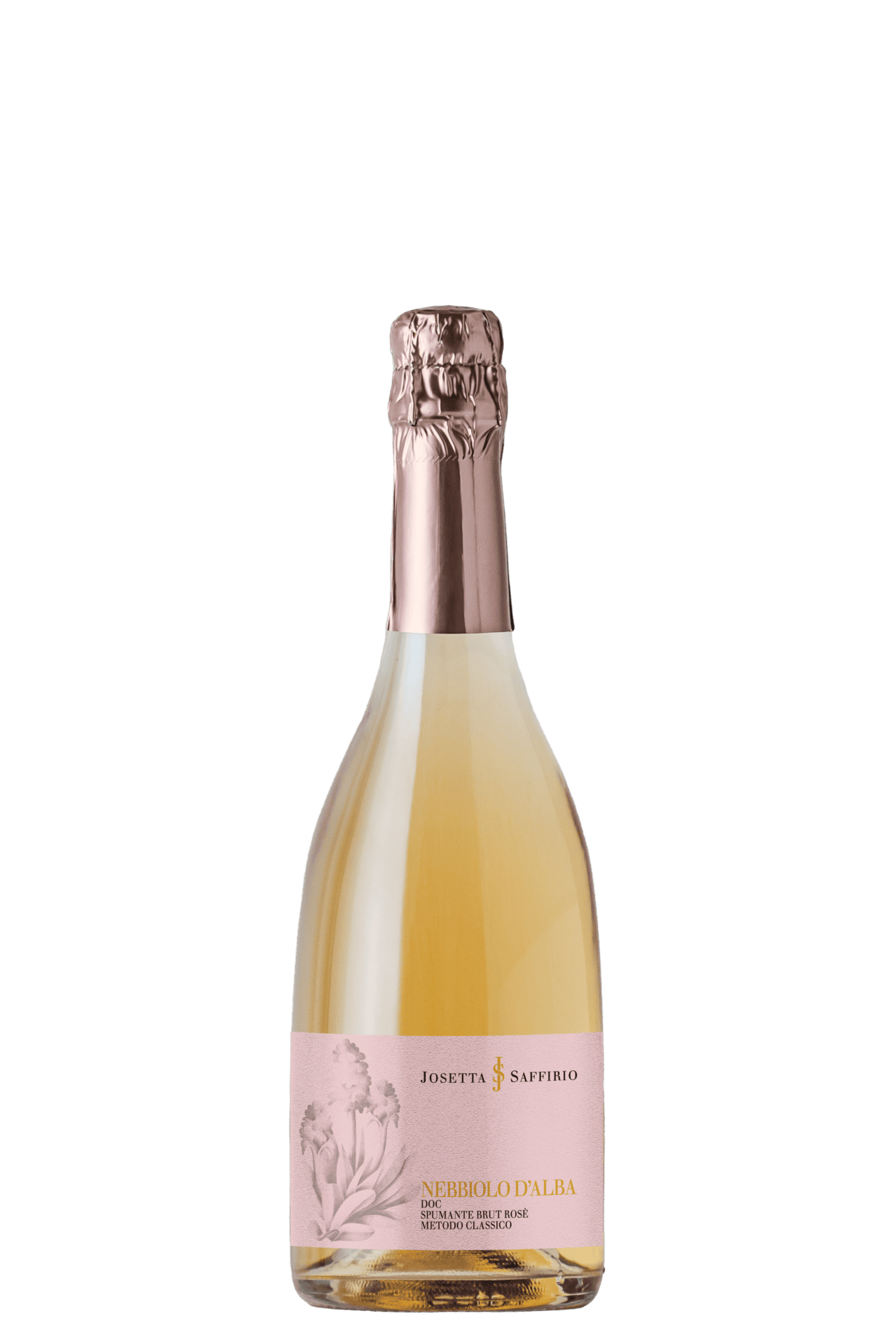
Saffirio offers two elegant rosé interpretations of Nebbiolo, the iconic grape variety of the Langhe: Nebbiolo d’Alba Spumante Brut Rosé DOC and Langhe DOC Rosato. Together, these wines present a contemporary expression of one of Italy’s noblest grapes, reinterpreting its complexity through a style defined by freshness, immediacy and drinkability. Both labels embody the distinctive character of their origin while reflecting a thoughtful winemaking philosophy that balances heritage and innovation. Designed for convivial occasions, they create a dialogue between the winemaking culture of the Langhe and modern wine consumption.
Nebbiolo d’Alba Spumante Brut Rosé DOC
This refined sparkling wine revives the historic Piedmontese tradition of producing sparkling Nebbiolo, which dates back to the nineteenth century. Made from whole-cluster Nebbiolo grapes using the traditional method, it displays delicate aromas of fresh red berries, a fine and persistent mousse and vibrant acidity. Following gentle pressing and fermentation in stainless steel, the wine undergoes secondary fermentation in bottle and ages on its lees for approximately 36 months. The result is a versatile sparkling rosé that is equally suited to aperitivo occasions, traditional cured meats and appetisers, while also pairing beautifully with white meat dishes thanks to its freshness and elegance.
The wine was recently featured by Jancis Robinson in a selection of outstanding rosés from around the world, accompanied by the following tasting note: “Deep pink and wonderfully tangy, in a kind of strawberries-meet-gazpacho-under-a-veil-of-sumac way. Soft malty, earthy undertow that almost turns praline-chocolatey on the edges, just out of sight. Full-bodied, almost chunky (in a good way) and somehow comforting. A rosé that is just made for charcuterie.”
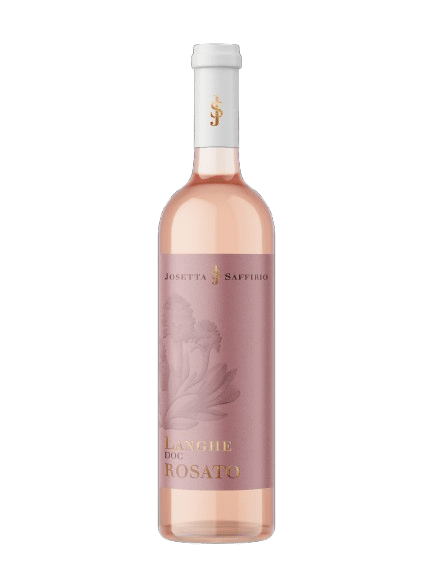
Langhe DOC Rosato
The still rosé expression of Nebbiolo, this wine is crafted to highlight the grape’s youthful, vibrant and approachable character. Produced exclusively from hand-harvested Nebbiolo grapes picked slightly earlier to preserve freshness and acidity, it undergoes a brief six-hour skin maceration followed by extended ageing on the lees.
Pale salmon pink in colour with bright reflections, the wine opens with aromas of wild strawberry, raspberry and violet, complemented by citrus notes, elderflower and subtle hints reminiscent of spring meadows. On the palate it is dry, lively and precise, supported by vibrant acidity and a pronounced mineral and savoury character. Its freshness and versatility make it an ideal companion to summer cuisine, outdoor aperitifs, shellfish, white meats, fresh cheeses and gourmet salads.
Through these two rosé wines, Saffirio offers a fresh and contemporary perspective on Nebbiolo, demonstrating the remarkable versatility of the variety while remaining deeply connected to the traditions, landscapes and identity of the Langhe.