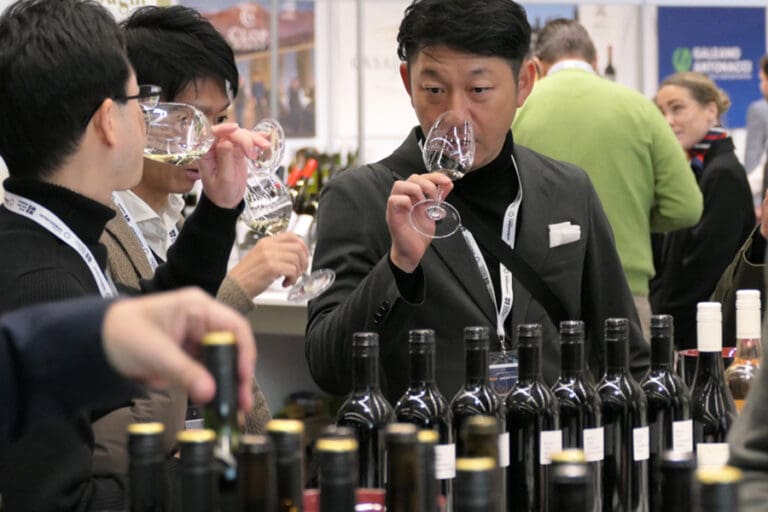
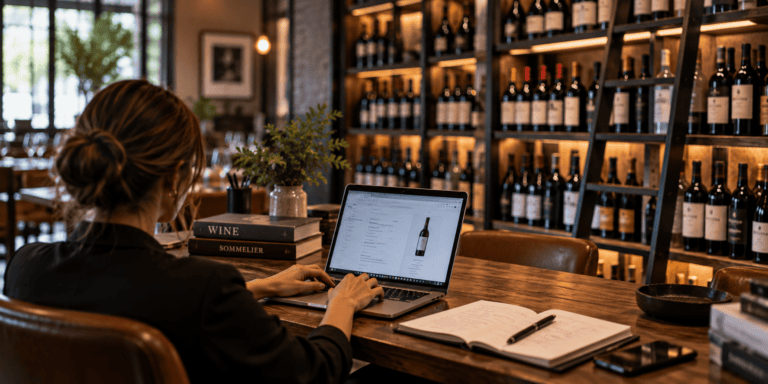
But the Wine Industry May Be Pushing Them Away
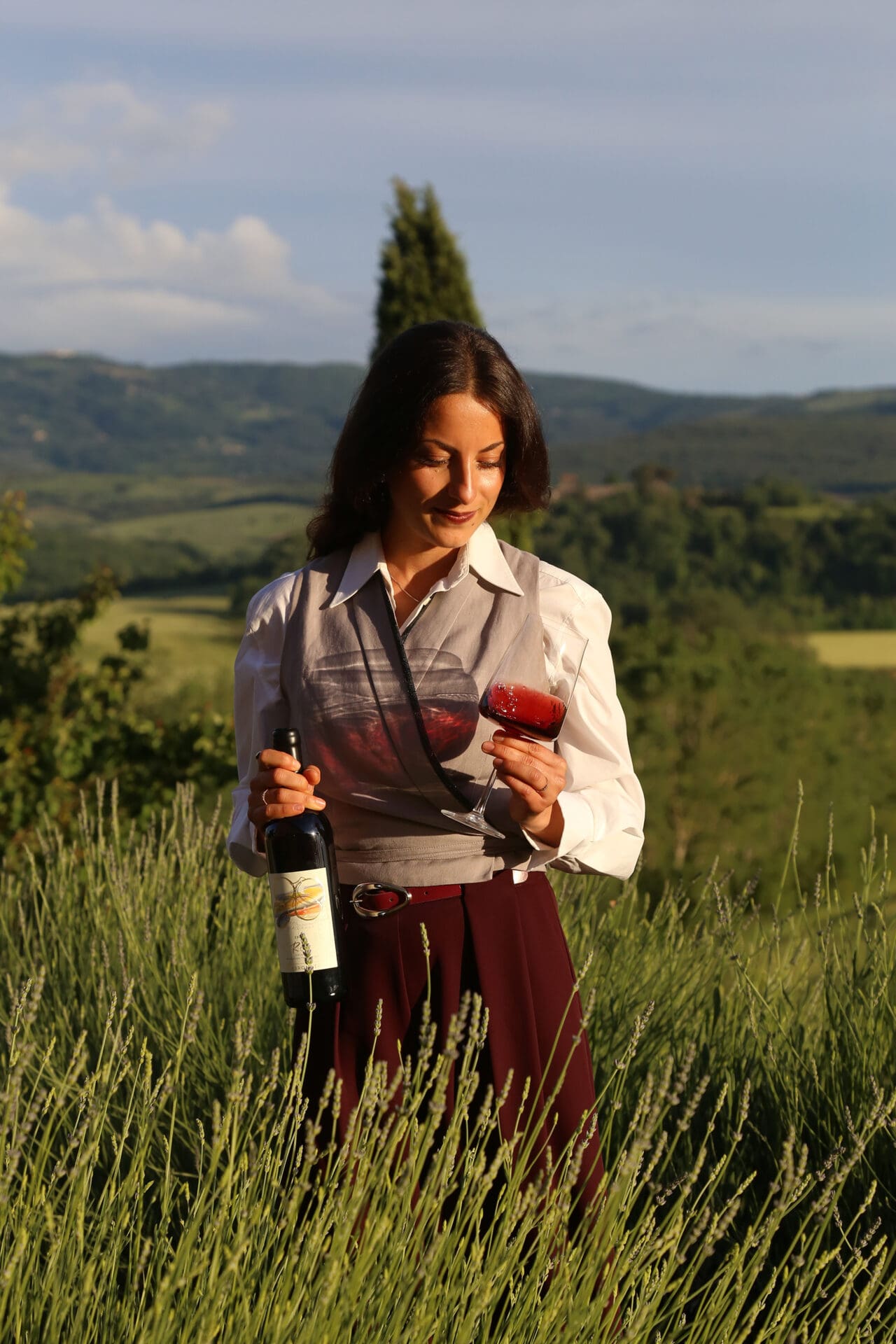
For years, we have heard the same warning: younger generations are drinking less wine, and Generation Z may represent an existential threat to the industry. I am no longer convinced that is the right way to frame the problem.
Recent data offers a more nuanced picture. According to a 2025 IWSR Bevtrac survey, the proportion of Gen Z adults in the U.S. who reported drinking alcohol within the previous six months rose from 46% in 2023 to 70% in 2025. Research from the Wine Market Council also found that Gen Z’s share of U.S. wine drinkers grew from 9% to 14%, while Millennials have now surpassed Baby Boomers as the largest wine-drinking cohort in the country.
Young people are not necessarily walking away from wine. They are engaging with it differently. That distinction matters because it changes the question. Instead of asking why Gen Z does not understand wine, perhaps the wine industry should ask whether we understand Gen Z.
The world in which people drink wine has changed. Technology and the years shaped by the pandemic altered how we meet, socialize, and spend our time. More of our lives now take place through screens. Work follows us home. The moments of togetherness that once happened naturally around a table have become harder to find.
At the same time, health, wellness, and self-care have become central to how younger generations think about what they consume. Alcohol is often portrayed as incompatible with a healthy lifestyle, and wine has inevitably become part of that conversation.
Economics also matter. Producing wine has become more difficult and expensive. Climate change has made vineyard work increasingly unpredictable. Each vintage brings new agronomic and technical challenges that require greater investment and deeper expertise. Skilled labor is harder to find, adding further pressure to wineries, particularly smaller producers that cannot solve every problem through scale.
Those costs eventually reach the consumer.
Wine is competing against beverages that are often cheaper, easier to understand, and designed for casual consumption. Younger consumers have shown an interest in lighter, fresher drinks that fit naturally into social settings. The success of the Aperol Spritz is no accident. It is approachable and recognizable. Nobody needs to study it before ordering one.
Too often, our industry has communicated wine as something consumers need to understand before they are allowed to appreciate it. We built a language filled with technical terms, classifications, tasting rules, and unwritten expectations.
Many consumers worry about choosing the wrong bottle or simply not knowing enough. When enjoying a product starts to feel like taking a test, we should not be surprised when people choose something else.
This is where I believe the recent data should give the wine industry hope. Younger consumers are showing up when wineries give them a reason to. The opportunity is there. We simply need to meet them where they are.
Modern life has also changed the way we eat. Dinner may be something reheated, picked up on the way home, or ordered through an app. The small rituals that once accompanied wine are disappearing: a glass while cooking, a bottle opened at the table, a meal that lasts long enough for conversation.
As those habits fade, wine loses part of its natural place in daily life.
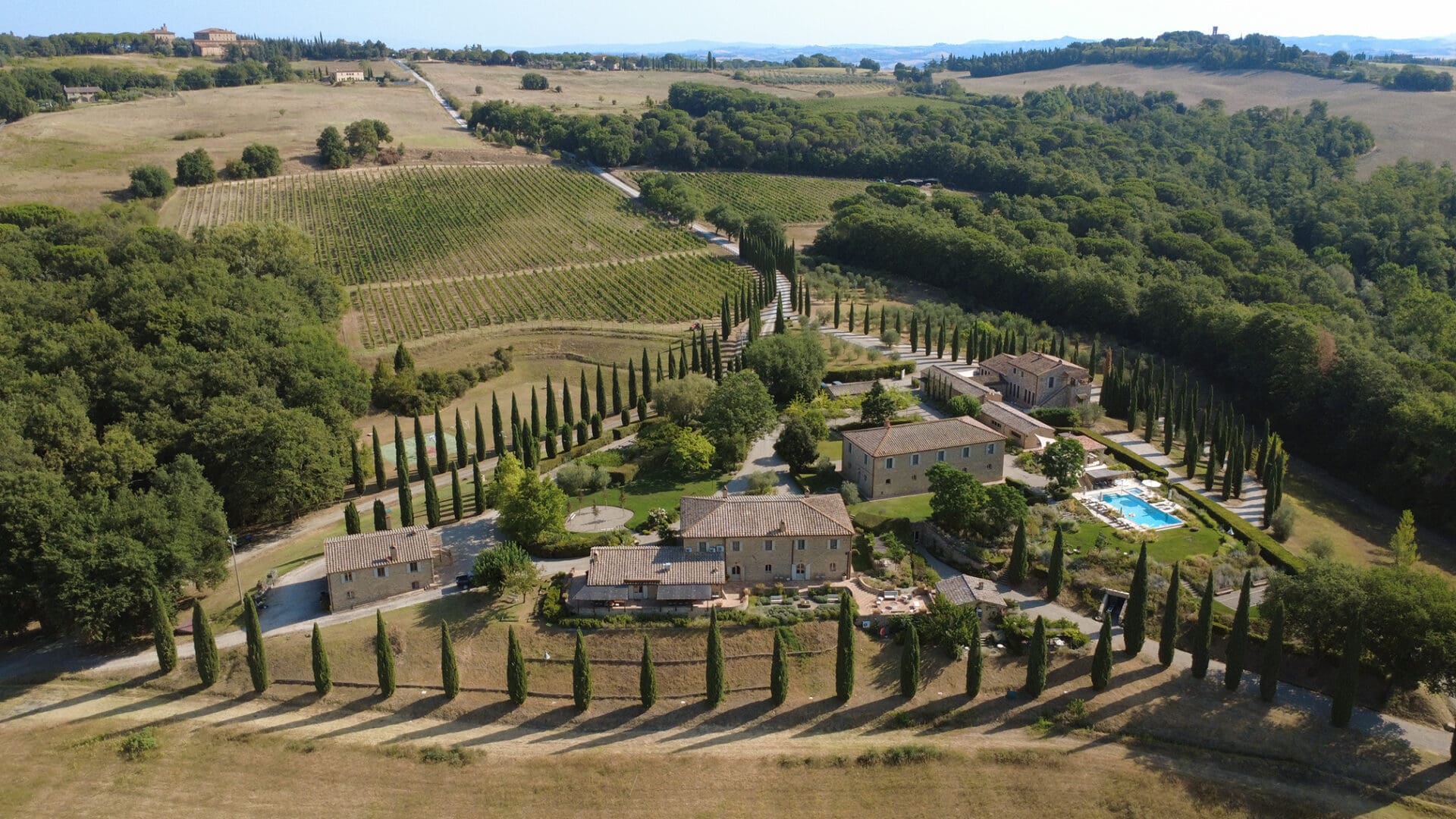
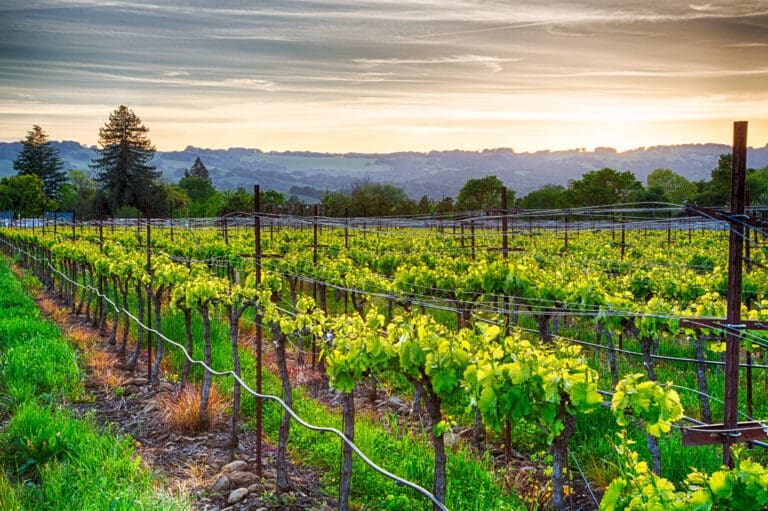
Wine carries the story of a landscape, a vintage, and the people who made it. The best wines do not need that story manufactured for them. The work is already there, in the vineyard, in the choices made during the growing season, and ultimately in the glass.
The challenge is helping people discover those stories.
Making wine more approachable does not mean making it less authentic. It means inviting people into the process instead of expecting them to admire it from a distance. Show the vineyard in February as well as September. Talk about why harvest started earlier this year or why one parcel struggled while another flourished. Explain the decisions that happen throughout the growing season in plain language instead of assuming consumers are interested only in scores and tasting notes.
The same is true in the cellar. We often celebrate the finished bottle while saying very little about the hundreds of decisions that shaped it. Younger consumers are curious about craftsmanship. They appreciate seeing people who care deeply about their work and who are willing to explain it honestly. That connection begins long before the cork is pulled.
This belief shapes how I approach winemaking. My goal is simple: Sangiovese should first and foremost taste like Sangiovese. The character of the grape and the land should never disappear beneath unnecessary intervention. Every vintage deserves to develop its own identity, shaped by the conditions of that growing season rather than forced into a predetermined style.
That philosophy begins in the vineyard and continues in the cellar. We spend the year observing how each parcel responds to changing weather and adapting our decisions accordingly. We taste constantly and intervene only when it genuinely improves quality. Climate change has made that work more challenging, reinforcing an important lesson: great wine comes from listening to the vineyard rather than trying to control it.
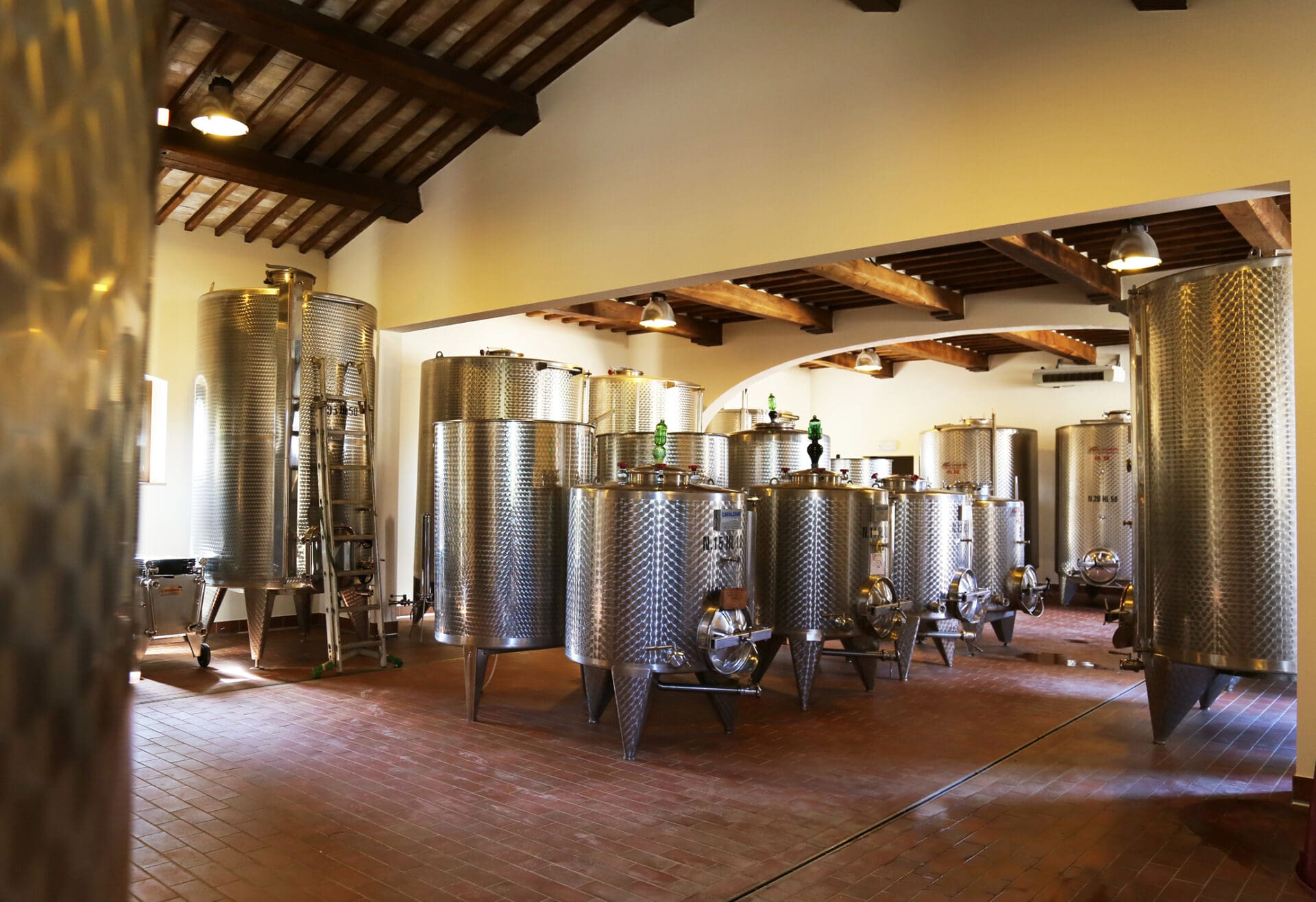
That also means speaking openly about difficult years. Earlier harvests, extreme heat, unpredictable rainfall, and changing growing conditions are now part of modern viticulture. Those realities are not imperfections to hide behind polished marketing. They are part of the story of every bottle. Consumers increasingly value transparency, and I believe they deserve to understand both the challenges and the rewards that shape the wines they drink.
Tradition matters deeply in wine. Respecting tradition also means ensuring it remains relevant for future generations. That requires listening to today’s consumers without losing sight of what makes wine unique.
I believe younger generations are fully capable of falling in love with wine for the same reasons previous generations did. They care about authenticity. They value craftsmanship. They want to understand where things come from and who made them. Those qualities have always existed in wine. Our responsibility is to make them easier to discover.
The wine industry does not need to reinvent itself for Gen Z. It needs to communicate with greater honesty, invite people into the journey, and trust that the vineyard itself has a compelling story to tell. Show the work. Explain the decisions. Celebrate the great vintages, but do not be afraid to talk about the difficult ones as well.
Wine has always been a reflection of place, season, and the people who care for the land. If we give those things a voice with humility and transparency, younger consumers may find what generations before them found: not just a drink, but a lasting connection to the people, the landscape, and the stories that live inside every bottle.
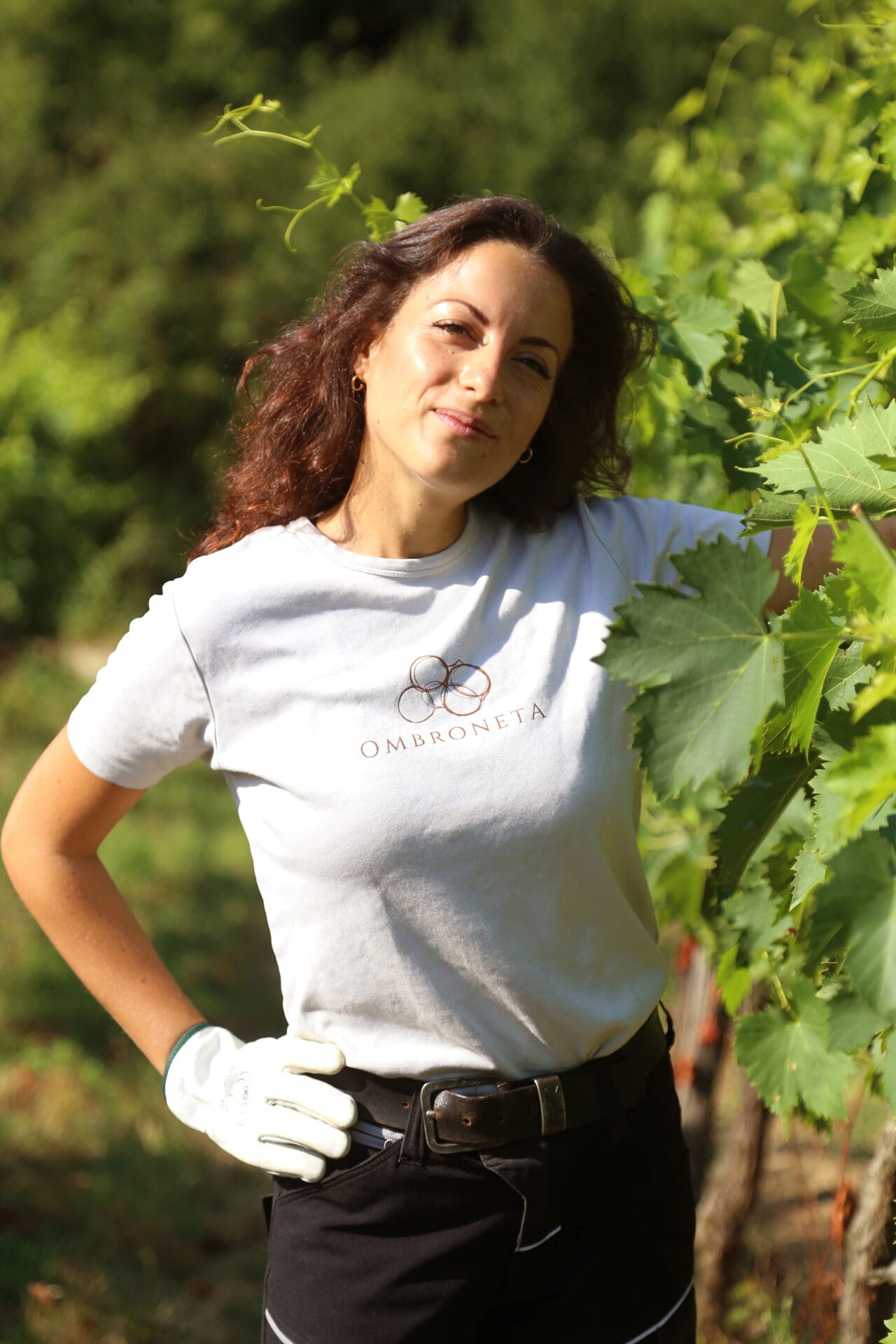
Chiara Barbabianca is the Winery Manager at Ombroneta Estate and Winery, where she crafts wines rooted in elegance, precision, and terroir. With a background in Viticulture and Oenology, she has built international experience across renowned wine regions in France, Argentina, Australia, Portugal, and Spain, bringing a refined and thoughtful approach to winemaking from vineyard to cellar.