The next generation of wine consumers are often framed as a threat to the fine wine market. They are drinking less alcohol overall, moderating more consciously, and spending differently than previous generations. Yet from what I have observed during my time working both in the fine wine investment industry and as a wine events host, this shift towards “drinking less, but better” may not represent a threat to fine wine at all, but rather one of its greatest opportunities.
Drinkaware’s 2025 report found that 49% of young adults now choose no- and low-alcohol options as part of moderating their consumption, a figure that has nearly doubled since 2018. This changing relationship with alcohol is closely tied to online culture. Gen Z and Millennials are among the generations most aware of the health implications of alcohol consumption, while increased online socialising has gradually reduced the quantity-driven drinking culture that once dominated younger demographics.
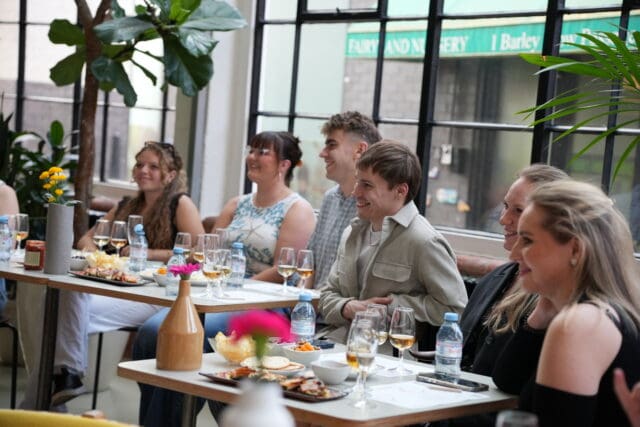
However, while younger consumers may be drinking less frequently, that has not translated into a lack of interest in wine itself. Instead, digital culture has encouraged new forms of engagement with wine. Interest in organic and sustainable wines has become increasingly prevalent, with many younger drinkers placing greater emphasis on story and experience than on price alone. This shift also aligns closely with broader Gen Z spending habits. Research done by McKinsey & Company, highlights trends that show younger consumers are increasingly prioritising experiences over material possessions, particularly in major cities such as London, where in-person socialising has become more intentional and experience-led. Supper clubs, immersive dining concepts, and tasting events are now part of a growing culture built around discovery, learning, and connection.
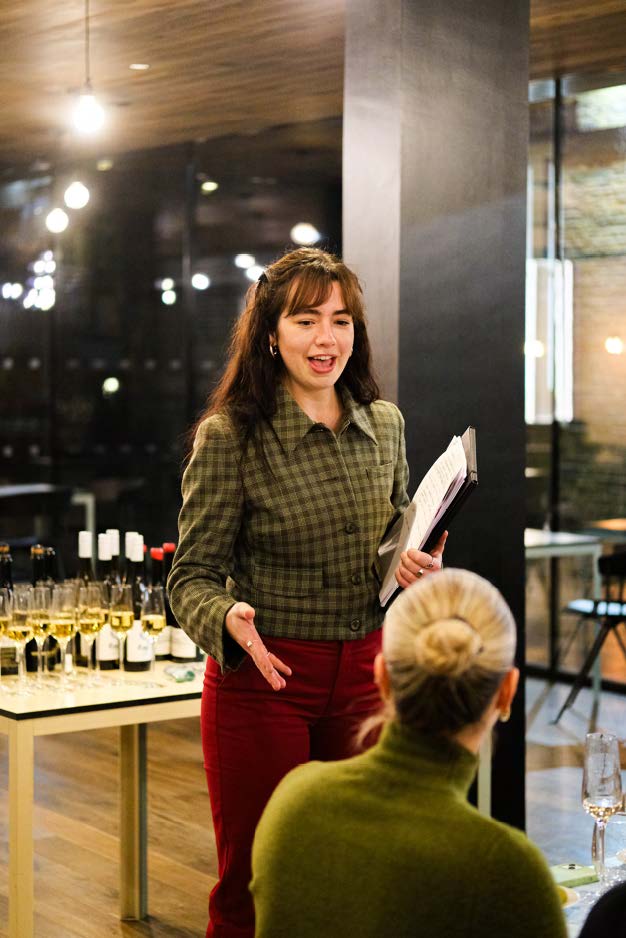
Through hosting wine tastings for audiences ranging from complete beginners to seasoned collectors, I have noticed a recurring trend among younger drinkers: intimidation. Many feel as though wine culture is something they were never invited into, with a palpable embarrassment around “not knowing enough” widening the rift between fine wine experts and casual drinkers. Yet the curiosity itself has not disappeared. This was one of the reasons we launched CB Sessions, our in-house education series designed to bridge the gap between purely experiential events and formal qualifications such as the WSET levels. Our experience so far has shown that Millennial and Gen Z drinkers are eager to build confidence and practical knowledge around tasting, food pairing, and regional understanding; they are looking for wine education that feels accessible rather than exclusionary.
So how does this translate into the world of fine wine investment? Historically, holding fine wine as a tangible asset has often been associated with generational wealth, inherited collections, and established networks of knowledge. Yet social media and digital platforms have recently opened younger generations up to new forms of financial education and alternative approaches to wealth building. Gen Z in particular is highly conscious of where their money is going, how it is performing, and what values are attached to the brands and assets they invest in.
Importantly, the “drink less but better” mentality reinforces many of the same qualities that underpin the fine wine market itself: provenance, craftsmanship, heritage, and storytelling. Younger consumers are increasingly drawn towards products with authenticity, placing greater value on quality winemaking and the story behind a bottle rather than status alone. In many ways, this makes younger generations strong long-term candidates for fine wine collecting and investment, provided the industry evolves in ways that feel accessible and relevant to them.
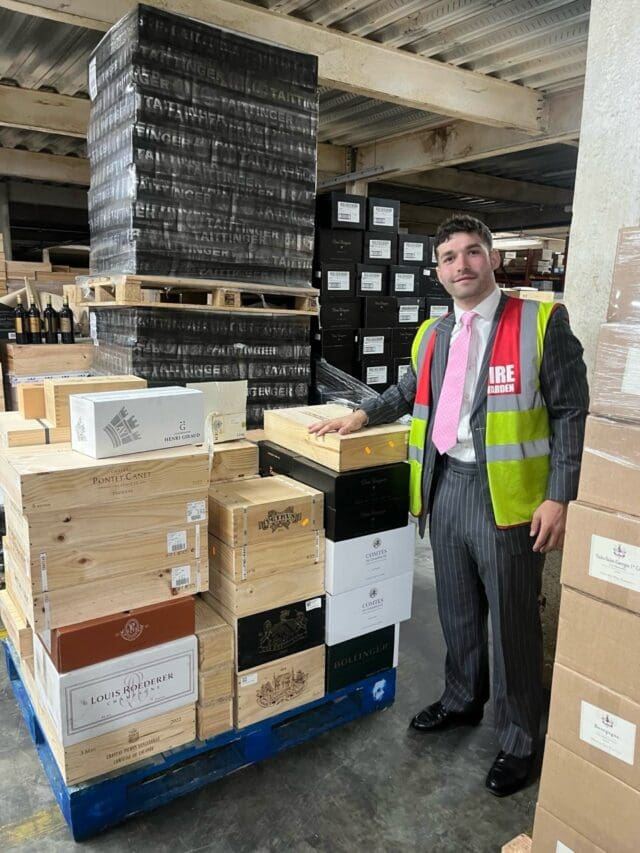
I spoke to one of our youngest investors, 21-year-old former professional rugby player Jacob Oliver, about his burgeoning interest in the sector: “I hope to see the industry continue to grow, but I think we need better accessibility for the younger generation. And we need people to start opening up bottles and building memories and stories as that is what gets people started. I think it’s no secret wine is potentially an emotive purchase, so I think its important people understand that and start enjoying it! It needs to be fun and I think the industry is starting to understand that.”
Fine wine, like any luxury sector, must move with the times. At CB Wine, through implementation of digital portfolios with real-time valuation tools, as well as sharing more wine-centric social media content, we are already seeing growing numbers of younger drinkers eager to deepen their understanding of fine wine, many of whom may eventually become the collectors and consumers driving demand for the wines currently sitting in investor portfolios today.
While inherited knowledge still holds value, younger generations are showing that accessibility, education, and experience are becoming just as important. They are not rejecting fine wine; they are engaging with it differently. For both the drinking and secondary fine wine markets, that shift may prove to be less of a warning sign and more of an opportunity to build the next generation of collectors, investors, and advocates for wine.

Sophie Burleigh is Head of Operations at Cult & Boutique Wine Management (CB Wine), where she works across fine wine investment, events, client experience, and wine education. She also designs and leads experiential tasting series designed to make wine more accessible, engaging, and culturally relevant for newer audiences. Her work focuses on the intersection of fine wine, investment, hospitality, and changing consumer behaviour.