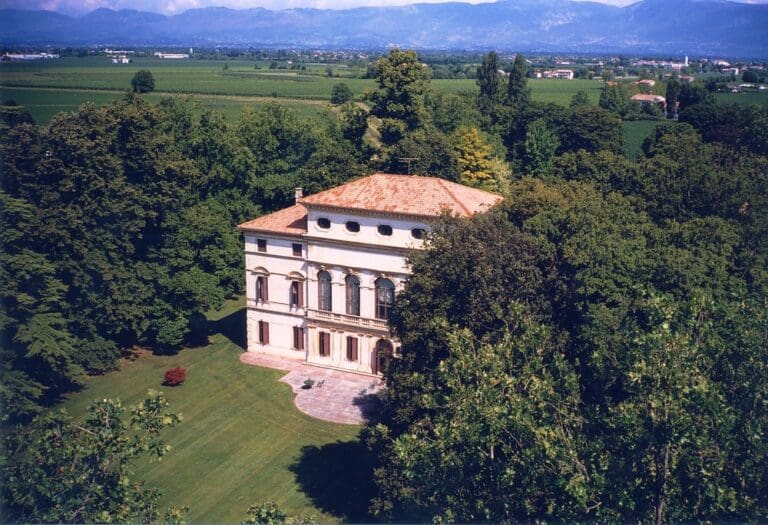
At the Montebello Vicentino (Venetian) winery, the harvest is underway, with the grapes’ development being closely monitored.
High temperatures and a lack of rainfall have brought the harvest forward, requiring constant monitoring of the vineyards to identify the ideal time to pick and preserve freshness, acidity and aromatic richness.
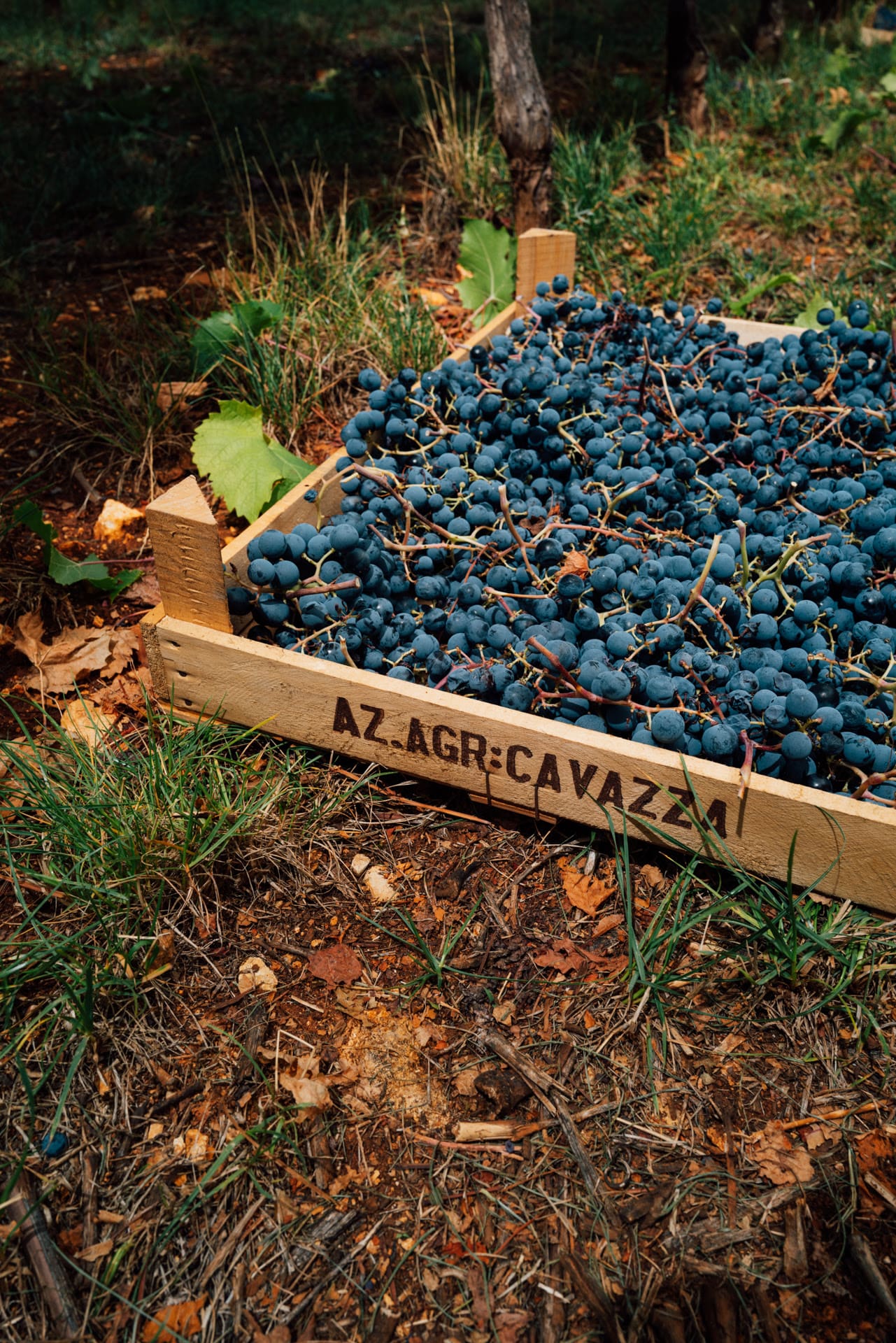
September 9, 2026 (Montebello Vicentino, Italy) — The 2026 harvest is proving to be an early and dynamic one for Cavazza, a historic winery in Montebello Vicentino (VI), now led by the fourth generation of the family: cousins Stefano, Andrea, Elisa and Mattia Cavazza.
The harvest, currently underway, reflects a hot, dry vintage, which has accelerated ripening times and required careful assessment of the vineyards. Plot by plot, the winery is tailoring the harvest to suit the characteristics of the different grape varieties and terroirs, with the aim of preserving freshness, acidity and aromatic richness. The excellent health of the grapes, together with the positive response of the most suitable vineyards to the season’s conditions, is helping to underpin the quality profile. “This year, it was particularly important to identify the moment when the grapes achieved the best balance between sugar ripeness, acidity and phenolic content,” explains Mattia Cavazza, the estate’s oenologist. High temperatures can rapidly accelerate certain parameters: for this reason, we monitored the plots almost daily and adjusted the harvest times accordingly.”
The drought was one of the season’s greatest challenges, but it also highlighted with particular clarity the ability of different terroirs to respond to water stress. Even within the same grape variety, variations emerged linked to soil type, aspect, the age of the vines and the depth of the root systems: soils with a greater capacity to retain water favored better vegetative continuity, whilst in drier conditions yields were lower. “2026 reminds us just how important it is to assess each vineyard on its own merits,” continues Cavazza. “Even neighbouring plots can react differently to the same climatic conditions: this is why we have tailored our vineyard management and the harvest with great precision.”
One positive aspect is the health of the grapes, which is excellent. The prolonged dry spell has in fact reduced the pressure from the main fungal diseases, particularly downy mildew and powdery mildew, allowing the grapes to reach harvest in a healthy condition. The rainfall recorded in the second half of August also helped to limit the effects of water stress in the most exposed areas.
In Gambellara, where Cavazza primarily cultivates Garganega and Durella, the late ripening of these varieties and the volcanic soils have favored a more gradual development of the grapes, helping to preserve freshness, acidity and tension. “Garganega and Durella have responded well to the growing season. We have timed the harvest plot by plot, seeking the best aromatic expression without losing the acidic tension that characterises these wines.” Initial indications are positive: healthy grapes and good quality potential, with the effects of water stress kept to a minimum, particularly in the plots that benefited from the August rains.
In the Colli Berici, at Tenuta Cicogna, Tai Rosso kicked off the harvest around ten days earlier than average. The harvest was staggered to match the phenolic ripening of the various plots. “The harvest started early, but we gave some plots the time they needed to complete ripening,” explains Cavazza. “In a fast-maturing vintage like this one, precision in decision-making is crucial.” For the later-ripening varieties, particularly Cabernet Sauvignon, the weather in September will be key: sunny days and good temperature variations could encourage gradual ripening, preserving freshness and aromatic integrity.
The 2026 harvest thus continues in accordance with the timing of each vineyard, with the harvest tailored to the characteristics of the individual plots and the two regions.
About Cavazza
The Cavazza estate was founded in 1928 in Montebello Vicentino. Since then, it has been one of the leading producers of Garganega grown in the Gambellara Classico DOC area, a small appellation situated on an ancient, extinct volcano, which still today lends a distinctive character to the wines produced there. In the 1980s, the family decided to focus on another area: the Colli Berici, a region of marine origin well-suited to the production of distinctive red wines made from both native grape varieties such as Tai Rosso and international varieties such as Merlot and Cabernet Sauvignon. Today, there are 130 hectares of vineyards across the two appellations, producing 600,000 bottles. The estate is SQNPI-certified and is strongly committed to preserving biodiversity and using renewable energy sources.
For further information: http://www.cavazzawine.com