The Wine Industry has a storytelling problem.
Open any trade publication right now and you’ll find the same story: declining consumption, shrinking club memberships, a generation of younger consumers who’ve moved on. The data points are real. But the narrative we’re building around them is incomplete — and I’d argue it’s doing more damage than the trends themselves.
Hope is not naïveté. In business, hope backed by quality is a strategy. And right now, the wine industry needs someone to lead with it.
Before I ever planted a vine, I spent years inside KPMG and Yum! Brands learning that a business isn’t one thing — it’s every thing, working together. At KPMG, I learned to look inside organizations with an auditor’s eye and a consultant’s instinct — finding where the gaps were, where the risks lived, and how to build systems that could hold. At Yum! Brands, I sat at the intersection of finance and marketing, working alongside operations, brand strategy, and HR to understand how a business moves as one organism. The discipline to hold all of it at once — the numbers, the people, the brand, the systems — that’s what I carried into wine. When I co-founded Eleven Eleven Winery, I brought that same lens: show me the numbers, then let’s figure out what they’re actually saying.
Here’s what our are saying:
More than half of everyone who walks through our doors joins the wine club. First-time visitors are up 61% year over year. Average order value is up 31%. Club member purchases are up 117%. These are not the metrics of an industry in freefall. These are the metrics of an industry that has a connection problem, not a wine problem. And connection problems are solvable — if you believe they’re worth solving.
The consumers are still here. They’re experiencing wine more intentionally, with more curiosity about what’s in the glass and who made it, and with a genuine appetite for experiences that make them feel something. What they’re walking away from isn’t wine. It’s spaces that feel intimidating, brands that talk at them, and experiences that feel like transactions dressed up as hospitality.
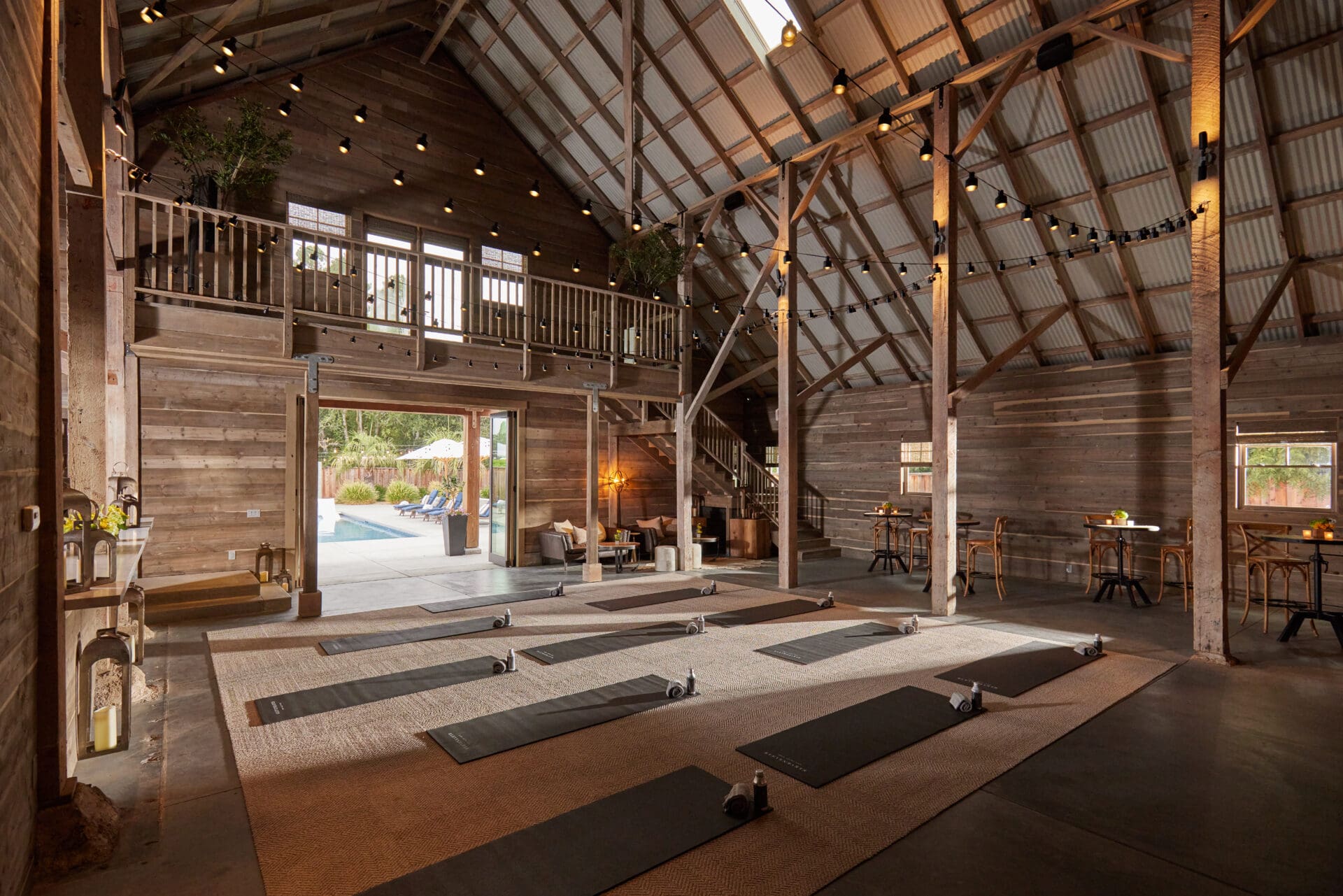
We do things differently. We pick up the phone. Most guests receive a handwritten note after their visit. Our team will tell you they work with me, not for me — and guests feel that the moment they arrive. We’ve hosted sound bath tastings, wellness salons, and private dinners. We’ve taken the winery to our members in Chicago, Dallas, New York, and Santa Fe. This year, we’re bringing a sold-out group on a cruise through Greece and Turkey. None of this is in the traditional Napa playbook. All of it is working.
I wasn’t born into this industry — and that turned out to be my greatest advantage. I never believed there was a right or wrong way to experience it, and I built a business on that conviction. It turns out a lot of consumers feel exactly the same way. They’re not looking for a lesson. They’re looking for a place to belong. That’s not a trend. That’s a human constant — and it’s the most hopeful thing I know about this industry’s future.
The 70% of millennial and Gen Z consumers who rely on subscription purchasing aren’t rejecting wine. They’re rejecting friction. We launched our first subscription service this year, built around flexibility and personalization, because that’s what today’s consumer actually wants. Meeting them there isn’t lowering the bar. It’s raising it in a direction the industry has been slow to move.
I understand why difficult headlines dominate the conversation. The challenges are real. But when pessimism becomes the industry’s default voice, it shapes behavior: of investors, of the next generation of winemakers, of consumers who are still on the fence about whether wine is worth their time and money. Pessimism is a self-fulfilling forecast. So is hope — when it’s grounded in something real.
The positive stories exist. Wineries converting first-time visitors at rates the industry calls impossible. Consumers spending more because the experience gave them a reason to. Brands built on genuine hospitality that are growing because they stopped trying to replicate what Napa has always been and started asking what it could become.
Quality is still the foundation. The wine is still extraordinary. The land, the craft, the people who give their lives to this work — none of that has changed. What needs to change is the story we tell about it.
Hope backed by quality isn’t wishful thinking. It’s a business model. And it’s time the industry started leading with it.
The wine is good. The people are showing up. Let’s start acting like it.
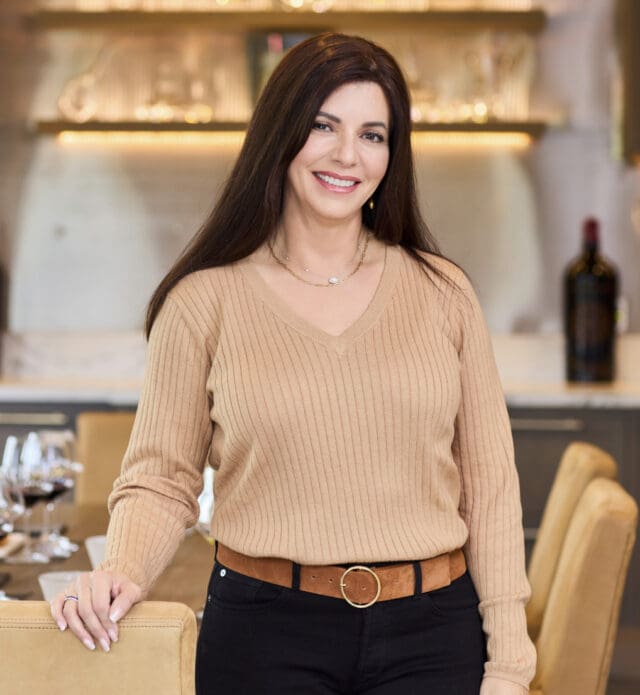
Ellie Anest is the co-founder and CEO of Eleven Eleven Winery in Napa Valley. Before entering the wine industry, she built her career at KPMG and Yum! Brands, where she developed the operational discipline and strategic mindset she now applies to building one of Napa’s most distinctive hospitality brands. In 2011, she acquired a property in Napa with a small estate vineyard, and by 2015 had opened Eleven Eleven’s tasting room to the public. Today the winery is known as much for its community-driven experiences — wellness salons, sound bath tastings, and cultural programming — as it is for its organically farmed, Napa Green-certified wines. Ellie brings a rare combination of corporate rigor and genuine warmth to an industry that needs both.