By Carl Giavanti
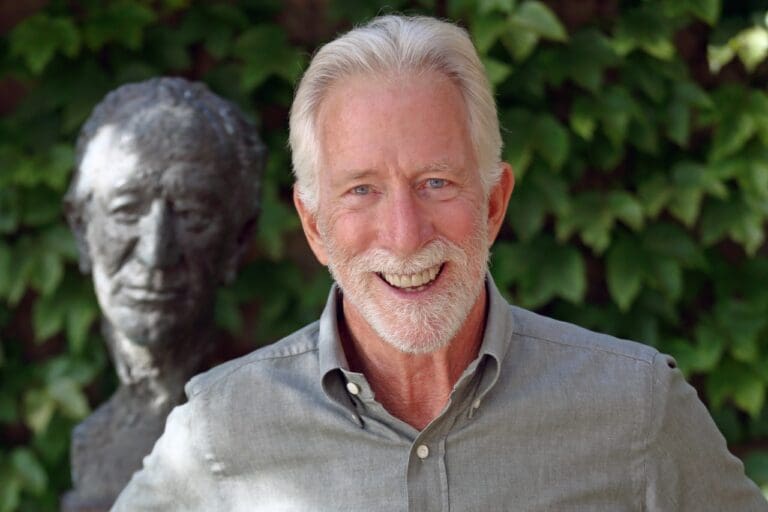
Craig Stoltz, a former travel editor at the Washington Post, is a freelance journalist on food, wine and travel, whose work has appeared in Garden & Gun, Fodor’s, Frommer’s, Wine Traveler, Virginia Living, GoWorld Travel and, years ago, GQ, Esquire, Life and other ink-and-paper publications. He’s senior editor of Food, Wine & Travel Magazine. After leaving the Post he joined the Obama administration and worked on Healthcare.gov. He recently finished his government tenure working on, of all things, artificial intelligence. www.craigstoltz.com
Describe your journey to wine, and to wine writing.
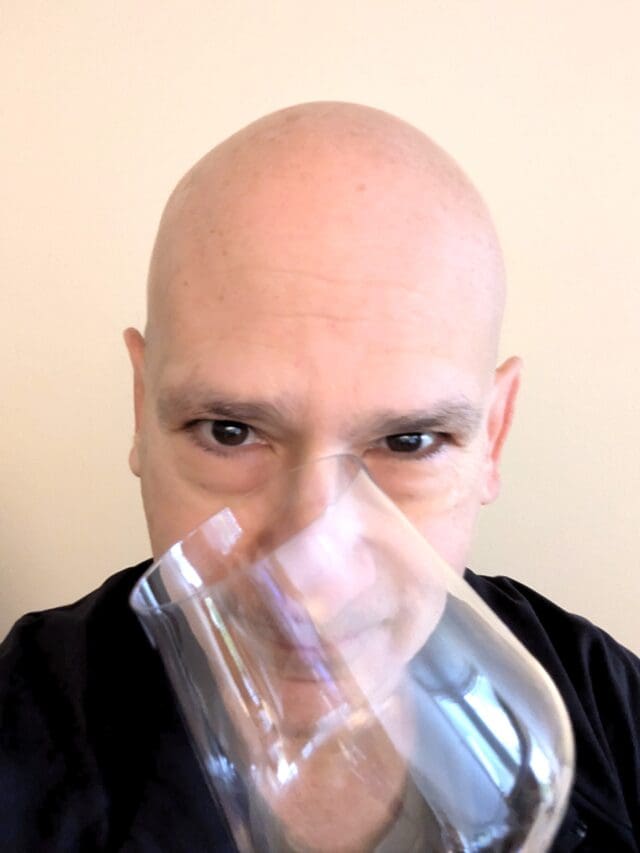
I was a cocktail geek for about five years, writing the cocktail blog “A Measured Spirit” (great name!). It sometimes got picked up by Liquor.com. Over time, I became an enthusiastic home cook and foodie. I got drawn into wine for its culinary qualities and quickly became a wine geek instead. I’m about two years into the learning adventure — which is to say, two years into understanding how very little I know. I love educating myself in public.
What are your primary story interests?
Obscure regions; lesser-known grapes; people in the business who are passionate, funny or scary. Ideally all three. In fact, I aspire to be all three.
What are your primary palate preferences?
My palate sucks. I often can’t identify even basic flavors or scents until someone mentions them. I love wines that make me think or imagine or remember. I love drinking wines after reading their backstories or stuff about their regions or cultures. I also love drinking ignorant, then learning about the wines after the fact.
How did your years at the Washington Post inform your role today as editor of FWT Magazine?
I was the travel editor at the Post. I’ve learned that wine journalism, like travel journalism, is essentially story-telling: the people, the places, the history, the culture. But wine journalism, even more than travel writing, plunges you thigh-deep in bullshit. PRs outright manufacture stories for labels and their proprietors, some bottles cost $400, professional critics turn sensations on the tongue into two digits, celebrities are recruited to front a brand, and there are people who actually say they detect a hint of huckleberry on the nose of that chardonnay. Who the hell has eaten a huckleberry to know what that smells like? We learned to sniff out liars and hustlers at the Post. It’s been a valuable skill in wine writing and editing.
Is it possible to make a living as a wine writer today?
I do my wine and travel writing as a side hustle. I’m happy to take hosted trips and get paid $350 for a story that takes weeks to write. I feel lucky to travel and learn and ask knowledgeable people questions; it enriches my life. It’s an honor and a joy. For me, that’s enough.
What would people be surprised to know about you?
My great-great-great uncle was Vladimir Lenin’s right-hand man during the Russian Revolution, Yakov Sverdlov. My son Jordan and I went to Russia (when you could still do that) to do the Uncle Yakov tour. We drank vodka at the hotel bar where the revolution was schemed. We have mixed feelings about Uncle Yakov. He was an accomplished bureaucrat and aide-de-camp. But it’s said that he was the one who gave the order to kill the Romanovs. So, there’s that.
What haven’t you done that you’d like to do?
Go to New Zealand. I hope somebody reading this will send me.
Would you agree that your sense of humor and deadpan writing style is on full display in “Fess Parker’s Very Small Donkey”?
Well, I was going to title it “Fess Parker’s Very Small Ass.” That would have been much better.
What’s the best story you have written?
It’s not the best story I’ve ever written, but it’s a cool story. It’s about how I had my wife, a clinical psychologist who sometimes uses clinical hypnosis in her work, hypnotize me before I tasted wine. The idea was to get beyond rational, intellectual response to wine and just open my intuitive mind. It worked. (Close readers expert in the wine world will notice an obvious error in the first sentence, inserted by the editor, which the publication has refused to fix. Sheesh.)
Can you describe your approach to wine and travel writing?
I try to write for people who are curious about — but intimidated by — wine. Whether writing about wine, food or travel, I try to tell a story so good people read it all the way through even if they have no interest in the subject. That’s very hard.
Do you work on an editorial schedule and/or develop story ideas as they come up?
The ideas float through open windows, like bubbles from those big wands. You have to be there to catch them. They are very fragile.
Do you post your articles on social media? Why is that important?
I know, I should. Quit nagging.
What are your recommendations to wineries when interacting with journalists?
Share your two most precious resources: time and attention. Don’t repeat what’s written in your publicity materials.
What advantages are there in working directly with winery publicists?
Huh. To answer a slightly different question: If they understand that I am there for my readers rather than their client, things will go beautifully.
Which journalist personalities would you most like to meet and taste with (living or dead)?
M.F.K. Fisher. Preferably when she was alive.
If you take days off, how do you spend them?
Going to restaurants or cooking. I have a serious foodie thing. I probably write, edit and think about food more than wine.
What is your most memorable wine or wine tasting experience?
The tasting terrace at Daou in Paso Robles is spectacular. From your quite comfortable chair, shaded by a large and gorgeous umbrella, your charcuterie at your elbow, you look out over rolling vines stretching so far you swear you can see Ohio. I met a woman there who was a wine distributor who’s been all over the world. She said it was the best tasting spot she’d ever seen.
What’s your cure for a wine hangover?
Paramount+ and rabbit bone broth.
Is it true that one of your magazine stories about a restaurant failure was optioned by Netflix and is slated to be made into a limited series, to air in 2027?
No.
____________________________________________________________________________________________
Carl Giavanti

Carl Giavanti is a Winery Publicist in his 16th year of consulting. Carl has been in business marketing and public relations for over 30 years; his background in tech, marketing and project management informs his role as a publicist and wine writer. Clients are or have been in Willamette Valley, Napa Valley, and Columbia Valley https://carlgiavanticonsulting.com/ He also writes for several wine and travel publications https://linktr.ee/carlgiavanti