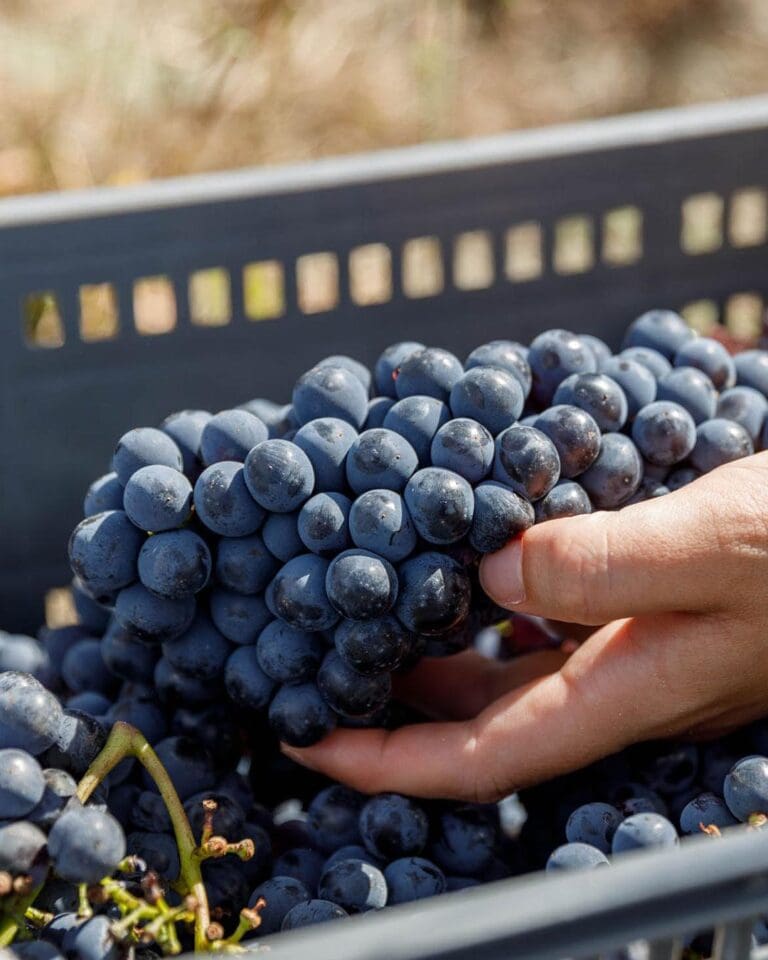
September 15, 2026 (Costigliole d’Asti, Italy) — The 2026 harvest in the territory of the Consorzio Barbera d’Asti e Vini del Monferrato has begun with encouraging signs. Vineyards have responded well to a season marked by increasingly variable weather conditions, resulting in an overall very positive outlook for the harvest. Initial estimates indicate balanced production in line with the area’s potential, with promising prospects both in terms of quality and quantity.
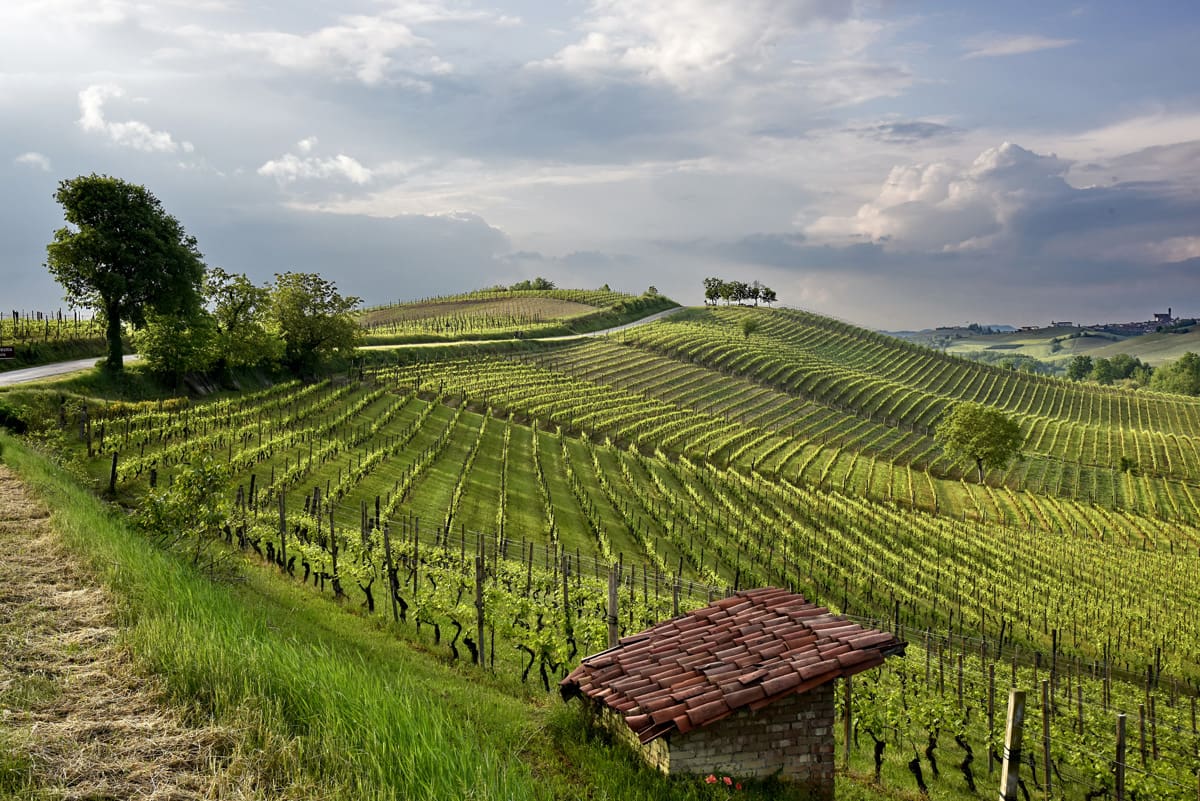
Behind these favorable prospects, however, lies a more complex reality: wine companies are facing a challenging economic environment marked by declining consumption, price pressure, and growing uncertainty in production.
In this context, the Consorzio Barbera d’Asti e Vini del Monferrato is drawing attention to the need to ensure the economic sustainability of agricultural businesses, a strategic priority for the future of the entire sector.
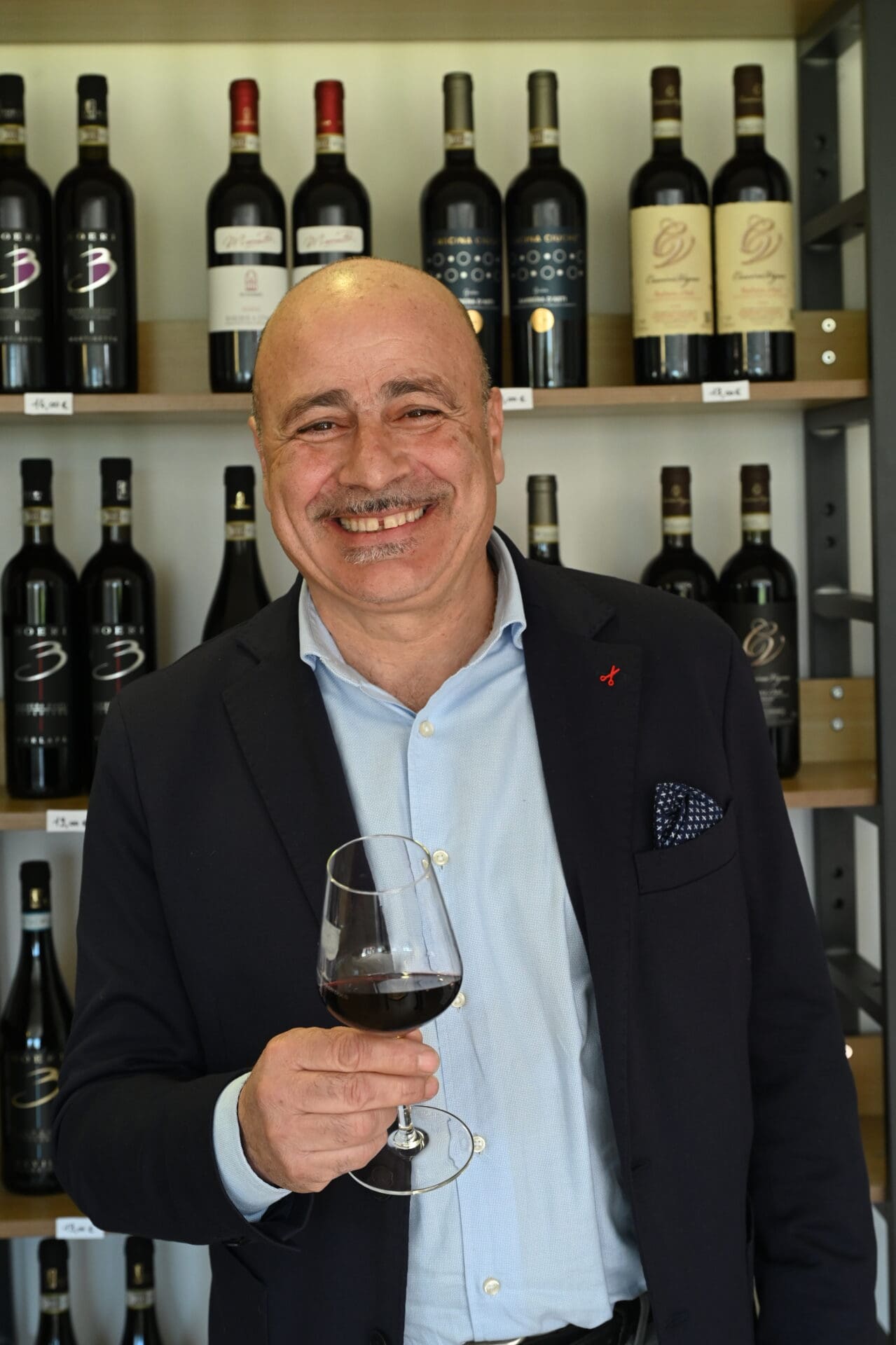
“Wine companies are demonstrating a remarkable capacity to adapt, and the harvest outlook is positive from both a production and winemaking perspective. However, we cannot stop at the harvest results alone: today, the real challenge is enabling businesses to generate value and, above all, ensuring that winegrowers can earn a fair, sustainable, and dignified income. Without this condition, there can be no future for our viticulture,” states Filippo Mobrici, President of the Consorzio Barbera d’Asti e Vini del Monferrato. “In light of declining consumption, rising inventories, and the increasingly evident effects of climate change, we believe it is urgent to convene a set of General States of Wine. Institutions, starting with the Piedmont Region, representative organizations, consortia, businesses, and the distribution sector must come together around the same table to build a shared vision for the future of the industry. We need to identify concrete tools to strengthen companies’ competitiveness, support producers’ incomes, enhance the value of our appellations, and create solid prospects for future generations choosing to invest in the wine world.”
According to the Consortium, achieving a balance between production and demand requires shared tools and a systemic approach capable of involving all stakeholders across the supply chain, from winegrowers to distributors.
“The Italian wine industry is undergoing a profound transformation that must be managed with courage and foresight. Market challenges, climate change, and the management of production potential require collective reflection and shared decisions. Only through a structured dialogue among all stakeholders will it be possible to protect winegrowers’ work and ensure the sector’s sustainable development over the medium and long term. Producers are the true custodians of the territory: they do not simply cultivate vineyards, but also invest daily time, resources, and expertise in maintaining the landscape and safeguarding the hills and villages that make our UNESCO heritage unique. If winegrowers abandon their vineyards, we risk losing not only agricultural production and employment, but also the wine tourism model that in recent years has become a key driver of local development. Protecting the income of wine businesses is therefore not merely an economic issue: it means preserving a cultural, environmental, and tourism heritage that belongs to the entire community,” concludes Mobrici.
The Consortium reaffirms its commitment to promoting the region’s appellations and fostering a shared path that places quality, innovation, and economic sustainability at its core, all of which are essential to strengthening the role of Monferrato and the Asti area among Italy’s leading wine-producing regions and on the international stage.
ABOUT THE CONSORZIO BARBERA D’ASTI E VINI DEL MONFERRATO
Founded in 1946, the Consorzio Barbera d’Asti e Vini del Monferrato is responsible for protecting and promoting its appellations, ensuring their recognition and image in both national and international markets, including through dedicated collective marks. Today, the Consorzio brings together more than 430 member companies and safeguards 12 appellations.