By Carl Giavanti
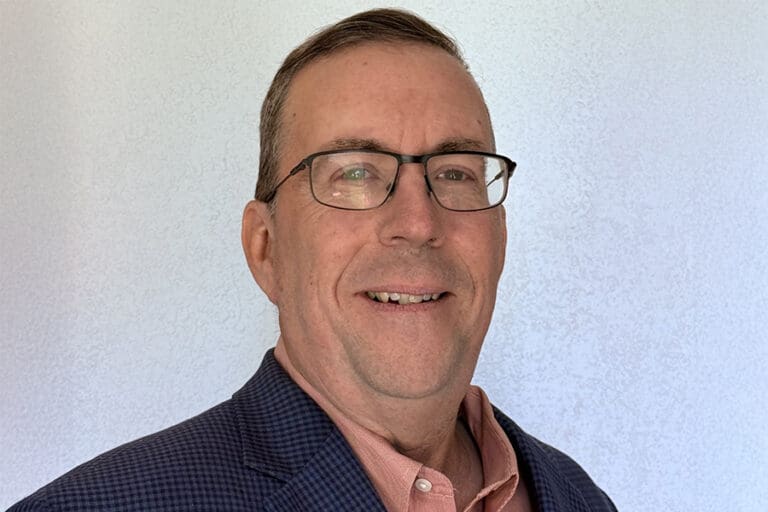
Michael Sinowitz, author of Finding Meaning in Wine: A US Blend, researched his book over the last 7 years, speaking with many wine world luminaries including Rajat Parr, Ted Lemon, Cathy Corison, Michael Browne, Dan Petroski, Justin Smith and many others. He also interviewed and tasted with Joshua Greene of Wine & Spirits magazine.
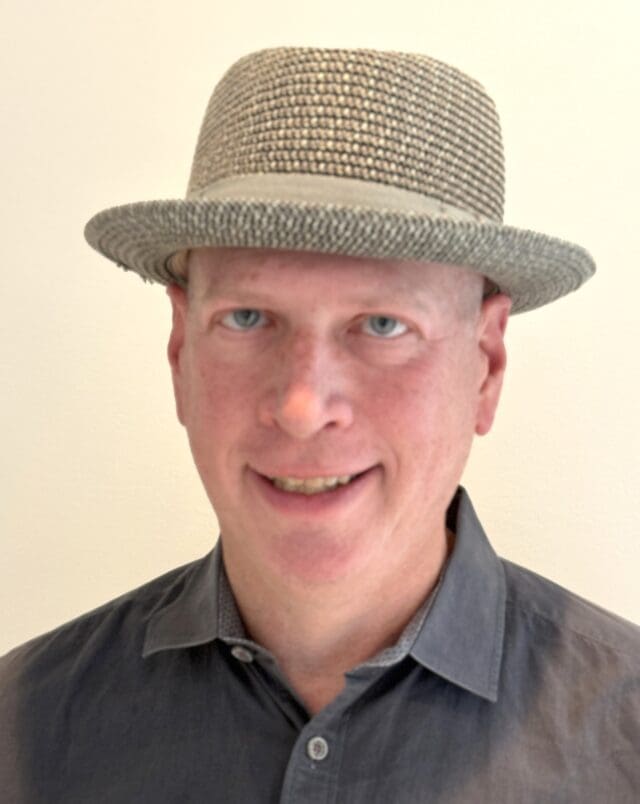
Sinowitz discovered a passion for wine while attending graduate school in Miami, studying literary theory and Modernist literature, with breaks spent hanging out at a local wine shop, hoping for free samples and wine knowledge. That interest has bloomed into a lifelong love, developed in many ways by frequent travel to California wine country, one of his favorite places.
He lives with his wife, son, two cats, and lots of bottles of wine in Greencastle, Indiana. Contact him at msinowitz@depauw.edu.
Tell us how you came to wine.
When I was in graduate school, I thought that drinking wine would be a way to elevate dinner and make it more communal. To learn what to buy, I would spend time in a local wine shop where I became friends with a clerk around my age. We would occasionally get to try samples supplied for more substantial clients and I would frequently ask the store’s buyers for suggestions.
What inspired you to write a book about myths and culture of wine?
I have always enjoyed a good argument, and I grew fascinated by how folks argued about wine. It reminded me of how people argue about literature and art, and I wanted to explore that similarity. I suppose that, like the author, Angela Carter, once said of herself, I’m in the “demythologizing business.”
What are your primary palate preferences?
My preferences have changed in many ways. I suppose that early on I was impressed with power, but as I have learned and experienced more, I want my Pinot Noir to taste like Pinot Noir and not Syrah. In fact, at one point in the project, I ended up selling or giving away parts of my collection that no longer appealed to me.
Was it difficult getting it published?
It felt that way, but looking back, it was not that challenging. I was able to attract interest in the project even though some of the most likely destinations for it didn’t pan out as I had expected.
What would people be surprised to know about you?
I coach two youth soccer teams, and I love music (from The Clash to Miles Davis and lots in between).
What haven’t you done that you’d like to do?
Besides drink DRC?
How do you choose what to write about?
I have been lucky enough to have a job that lets me follow my curiosity. A lot of these projects began in my teaching interests, which have been equally eclectic (I taught courses on gangster films, punk rock, jazz, James Joyce, the Western, New Hollywood cinema and Postmodernism, to name just a few subjects). At the moment, I have 3 essays on the romantic comedy genre ready to send off, which also started with one of my more popular courses.
Can you describe your approach to writing this book?
I tried to write a book that both engaged with the people who make wine and with complex ideas about interpretation and art. In doing so, I hoped to translate those ideas to a wider audience but also to think about the ways humans make art — and, in this particular case, wine — meaningful. In many ways the book became about conversations about art and wine, and it charts (perhaps more subtly) my own learning process, as I learned more about wine and its surrounding culture.
Did you work on a schedule and/or develop chapters of the story as they come up?
I wrote much of this book while both teaching at DePauw and coaching soccer, so that created a lot of challenges. I began the project with a few interviews that led to an initial essay. As I found that I kept writing more and more, I knew that this essay was really two essays, and eventually, I came up with the ideas for the subsequent chapters, having realized that I had a book on my hands. Once I had a fuller framework for the project, I began to focus on obtaining interviews that I hoped would prove helpful in discussing specific issues I had mapped out as part of the overall book. I tend to write in bursts, but those writing sessions typically follow research, transcription and notetaking (and lots of reading).
Did you write Finding Meaning first and then pitch publishers, or vice versa?
For the most part, I wrote first, and then sought out publishers.
In what context might you yourself consider yourself an Influencer?
When I get the wine list first!
What are your recommendations to wineries when interacting with journalists?
Answer their emails! In all seriousness, I would flip this around and make suggestions to wine writers about talking to winemakers: be there to listen and don’t focus primarily on the obvious. When I interviewed winemakers, I often found them surprised by my questions, but also by the fact that I wasn’t looking for a soundbite. From my perspective, you get a lot more intriguing information when you really engage in a conversation with people.
What advantages are there in working directly with winery publicists?
My experience with winery publicists is after the fact, and it has been great in that, as someone initially coming from outside the world of wine, publicists have a means of assisting you that is invaluable. Nevertheless, my interviews largely came from just reaching out on my own, and then the incredible generosity of winemakers and writers including Elaine Chukan Brown, who connected me with many people over the course of my research.
What frustrated you most about working on a book like this?
Living in Indiana! It just was never easy to pick up and do interviews. That and the rare times I ran into resistance, like Wine Spectator insisting that I submit my questions in advance so that they could decide if they wanted to let me interview them (I refused).
If you take days off, how do you spend them?
Spend time with my family, watch my beloved Arsenal, exercise (the tradeoff for a lifetime love of food and wine), watch films and read.
What is your most memorable wine or wine tasting experience?
I have been lucky to have many memorable tasting experiences. Perhaps the most singular one was tasting Piedmontese wines as a part of a tasting panel for Wine & Spirits magazine, which I detail in my book.
My family had a great time hanging out with Charlie Smith of Smith-Madrone a few summers back. We got so involved in talking about wine, literature, and so many other things that it took me a moment to realize that I hadn’t started to taste what proved to be a wonderful Chardonnay in my hand.
Just this last summer, I spent time with the iconoclastic Ketan Mody, and his own-rooted Cabernet from Jasud was one of the most memorable sips I had all year. And Ketan is just so fun to talk with.
Throughout my research, I often shared wines with many of my research subjects, all of which left indelible impressions on me (and which I detail in the book).
What’s your cure for a wine hangover?
A bagel. A New York City salt bagel. One night my friends and I had a rather indulgent dinner at the legendary Sparks in NYC. We capped the night with a bottle of Graham’s 1977 port. The next morning, I awoke unable to look down and tie my sneakers, but a salt bagel performed what can only be described as a miracle.
What’s your favorite wine region in the world?
I have several. I have found Burgundy just a wonderful place to visit, and I am very fond of Nebbiolo from Piedmont. But the area I know best is Napa and Sonoma, and I love visiting. Especially after my research, I favor what might be called alternative or traditional Napa wines, and love the variety of wines that Sonoma has to offer as well.
Do you have a favorite wine and food pairing?
My family has become obsessed with making recipes from Fuchsia Dunlops’ Food of Sichuan. In addition to my wok duties, I have experimented with various pairings but have concluded that Riesling with a touch of sweetness (but sufficient acid) pairs best — which has led me to acquiring a lot of German Kabinett lately.
___________________________________________________________________________________

Carl Giavanti is a Winery Publicist in his 16th year of consulting. Carl has been in business marketing and public relations for over 30 years; his background in tech, marketing and project management informs his role as a publicist and wine writer. Clients are or have been in Willamette Valley, Napa Valley, and Columbia Valley carlgiavanticonsulting.com. He also writes for several wine and travel publications linktr.ee/carlgiavanti.