June 18, 2025 (Italy) — Set in the captivating landscape of southern Tuscany, Talosa stands out as a true ambassador of Vino Nobile di Montepulciano, thanks to a winemaking philosophy deeply rooted in the territory and an agronomic approach tailored to the region’s iconic grape variety: Sangiovese.
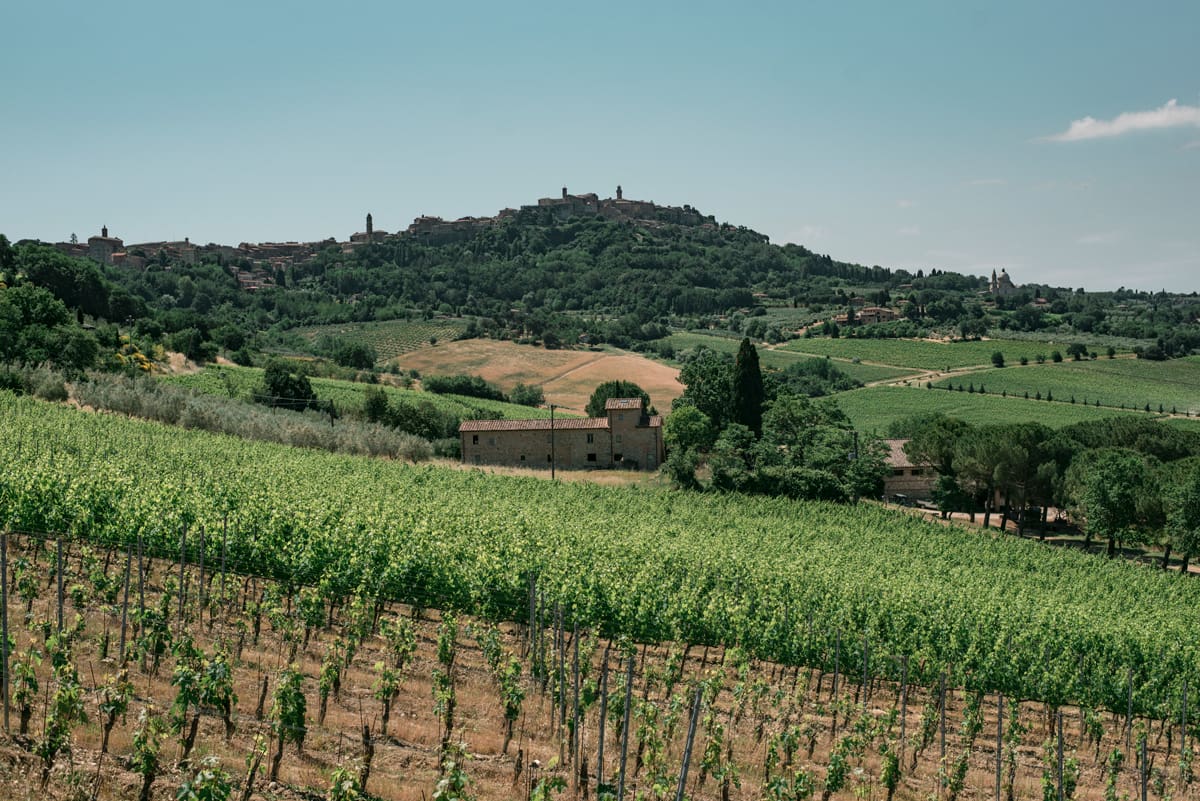
The estate’s vineyards lie in the Pietrose area, within the prestigious Pieve le Grazie cru—renowned for producing wines of exceptional quality. With 33 hectares under vine in one of Montepulciano’s most esteemed crus, at an altitude of 350–400 meters above sea level and enjoying southwest exposure, Talosa benefits from optimal conditions for viticulture.
Meticulous vineyard management and selective harvesting by individual parcels ensure only the finest grapes are used—laying the foundation for wines that truly honor the estate’s legacy. The soils, of Pliocene origin, are medium-textured with sandy clay characteristics. This exceptional terroir enables the production of outstanding wines, thanks to its distinctive composition. These soil traits not only shape the wine’s identity but also guide the estate’s stylistic choices, all while remaining anchored in a shared origin.
Talosa, in fact, tells its winemaking story through two distinct expressions of Sangiovese:
The Vino Nobile di Montepulciano DOCG Riserva is born from clay soils of Pliocene origin, medium in texture and rich in character. Clay retains moisture and naturally regulates vine growth, encouraging a slow and balanced ripening of the grapes. This type of soil “slows down” the vine, creating a harmonious balance between temperature and water availability. The result is a powerful, complex wine with a firm tannic structure and remarkable aging potential, thanks to its vibrant acidity. On the palate, it reveals notes of ripe fruit, sweet spices, leather, and licorice—unfolding in layers that deepen with every sip.
The Vino Nobile di Montepulciano DOCG “Filai Lunghi”, by contrast, originates from a cru characterized by sandy soils—also of Pliocene origin, but significantly more draining and lower in nutrients. Unlike clay, sandy soils promote rapid water drainage, retain more heat during warmer months, and encourage deeper root development. These conditions lead the vine to produce smaller, more concentrated berries, with a quicker yet more balanced ripening process. The resulting wine is refined, vibrant, and linear in style, marked by bright acidity and nuanced floral and balsamic aromas. On the palate, it reveals a lean, graceful structure, with finesse and precision. The finish is long and dynamic, offering elegant echoes of fruit and spice.
Sangiovese is a sensitive grape, in many ways “tailor-made,” as it reacts to its environment, adapts to the climate, and faithfully reflects the nature of the soil in which it takes root. This is the lesson Talosa seeks to share:
“There is no single Sangiovese, but many souls of Sangiovese. And between the elegant power of the Riserva and the expressive grace of Filai Lunghi, a story unfolds—one of territory, agronomic choices, time, and vision,” says Edoardo Mottini Jacorossi, CEO of Talosa.
About Talosa
Founded in 1972 by the Jacorossi family, Talosa was one of the first wineries to believe in the potential of Vino Nobile di Montepulciano, working with dedication to raise its qualitative profile. Today, the estate spans 33 hectares of organic vineyards in the most prized area of the appellation, in the Pietrose district, at altitudes ranging between 330 and 400 meters. Here, the stony soils and optimal exposure give the wines structure, elegance, and remarkable longevity. The beating heart of the winery is its historic aging cellar, located in the center of Montepulciano beneath Palazzo Tarugi and Palazzo Sinatti, two 16th-century Renaissance buildings that house the large oak barrels where Vino Nobile rests and matures. International recognition and participation in the Pievi project confirm Talosa’s commitment to producing authentic, identity-driven wines that tell the story of their land in every glass.