November 10, 2026 (Saint Helena, CA) — Napa Valley’s 2026 vintage is giving winemakers plenty to be excited about with fresh, expressive whites and elegant, structured reds emerging. The vintage is memorable as being the earliest start and finish in recent memory.
“From what I’m seeing so far in my wines, I think it’s going to be really, really beautiful,” said Melissa Paris, winemaker at Alpha Omega.
Other noteworthy parts of the vintage story were a warm spring and light crop that helped usher in harvest. In terms of a comparison to other growing seasons, winemakers all agree that it is hard to do.
“I think this is such a unique vintage that it’s hard to put a ‘similar to’ kind of tag on it,” said Ted Henry, director of winegrowing at Groth Vineyards & Winery. Paris agreed, “It’s got its own personality.”
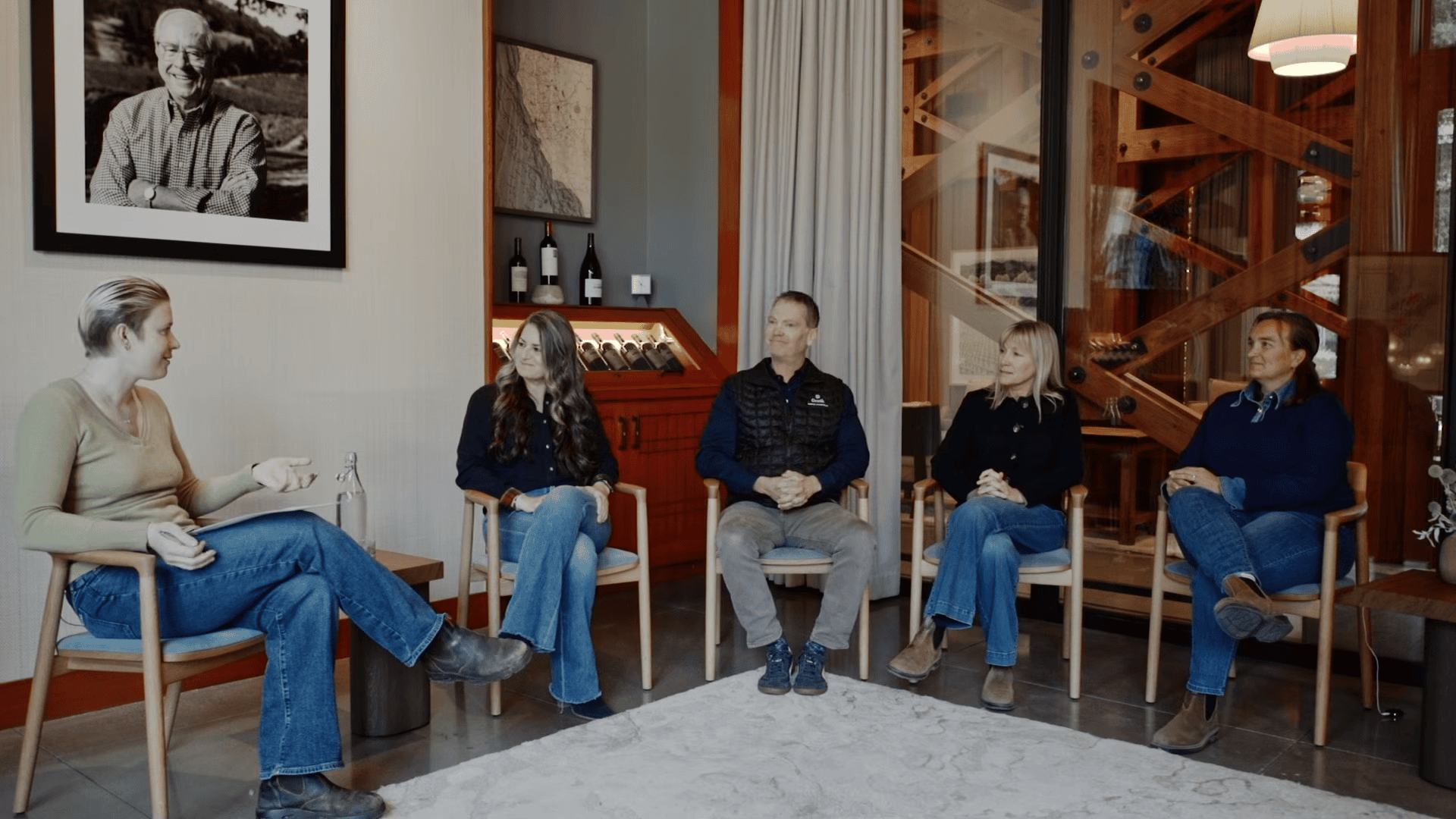
To dive in further, Napa Valley Grapegrowers (NVG) and Napa Valley Vintners (NVV) brought together a panel of Napa Valley winemakers and viticulturists for a 2026 Vintage Briefing, with Samantha Cole-Johnson, senior editor US for JancisRobinson.com, leading the discussion.
What Winemakers Are Saying about Quality
For Henry, the white wines stood out from the first rounds of tasting. Across Sauvignon Blanc, Chardonnay and Sémillon, he found lot after lot showing beautifully.
“I would say the whites are probably some of the best that I’ve seen,” said Henry.
At Joseph Phelps Vineyards, Nathalie Buckland, director of viticulture and vineyard operations, thinks early tastings of the reds are promising, with deep color and soft, plush tannins.
“The quality is there for the 2026 vintage. Not a lot of quantity, but the quality is amazing,” said Buckland.
Paris had similar things to say noting, “What excites me most about the reds is the balance between richness and elegance. We’re seeing beautiful fruit expression, impressive structure and depth without sacrificing freshness.”
An Early Start and an Early Finish
A mild winter and warm March brought on an early budbreak that kept teams thinking ahead.
“Once the grapevines start growing, the engine’s started and the train has left the station,” noted Franci Dewyer, vice president of North Coast winegrowing at The Duckhorn Portfolio, in regard to the early timing.
A cooler, wetter April disrupted flowering, affecting how much fruit set. Sauvignon Blanc was particularly light. Vineyards that bloomed later were not as impacted.
Picking for white wines began in mid-July, three to four weeks ahead of schedule, and wineries had to adjust staffing and bottling plans to get ready sooner. In some cases, vintners also had to seek out more tonnage due to the lighter crop.
“This year, there was real camaraderie and a sense that we needed to do the right thing and help each other out,” said Paris in reference to working with growers on how much tonnage to bring in. “There’s such a thing as being good neighbors,” she said.
After white wine picks, some wineries paused before reds, while others harvested straight through. Early September heat accelerated the season. Cooler weather then set in, giving teams more flexibility to decide when it was optimal to pick.
“It was really more about knowing your vineyard and being very specific,” said Paris.
Vintage Resources
- 2026 Vintage Briefing: 2026 Vintage Briefing
- Growing season updates: Napa Valley Grapegrowers Industry Blog
- Vintage updates from winemakers: harvestnapa.com
- Instagram: @napagrowers, @napavintners
- Facebook: @napavalleygrapegrowers, @NapaVintners
About Napa Valley Vintners
The Napa Valley Vintners trade association was founded in 1944. Today, it fosters collaboration among nearly 525 wineries, inspiring them to pursue excellence in winemaking, provide environmental leadership and care for the extraordinary place they call home. NVV champions Napa Valley globally through marketing of its wines and advocacy on industry issues. NVV has invested more than $249 million in healthcare, youth development and the environment in Napa County. Learn more at napavintners.com.
About Napa Valley Grapegrowers
Since 1975, Napa Valley Grapegrowers (NVG), a 501(c)(3) nonprofit, has represented local grape growers dedicated to cultivating viticultural excellence and environmental stewardship for the Napa Valley. Today, NVG represents nearly 600 growers. NVG believes growing wine grapes is the highest and best use of land in the Napa Valley, and it champions resilient, environmentally minded vineyard practices to keep grape growing viable for generations to come. The organization provides growers with science-based education and serves as their voice in advocating for the future of Napa Valley grape growing. Learn more at napagrowers.org.