In the heart of the Colli Orientali del Friuli, the new winery envisioned by Annalisa Zorzettig brings together production, hospitality and culture, marking a significant new milestone in the company’s development.
October 12, 2026 (Udine, Italy) — Cantina Viva, Zorzettig’s new winery, was inaugurated this morning in the heart of the Colli Orientali del Friuli. Championed by Annalisa Zorzettig, the project was conceived to meet the company’s evolving production needs, while also realising a broader vision in which wine creates opportunities for connection, discovery and the promotion of the local area. It forms part of the company’s evolution in recent years, combining a renewed brand identity with a commitment to its roots. With its first wine labels dating back to 1874, Zorzettig is opening a new chapter in its history with a facility that goes beyond winemaking and ageing to bring together production, hospitality, culture and conviviality. Cantina Viva has enabled the company to bring its production activities together, streamline processes and improve working environments. Part of the existing building has been incorporated into a new wing, while the historic barrel cellar continues to preserve past vintages and the company’s heritage. This approach reflects a core principle at Zorzettig: the quality of its wines also depends on caring for the people who help create them every day.
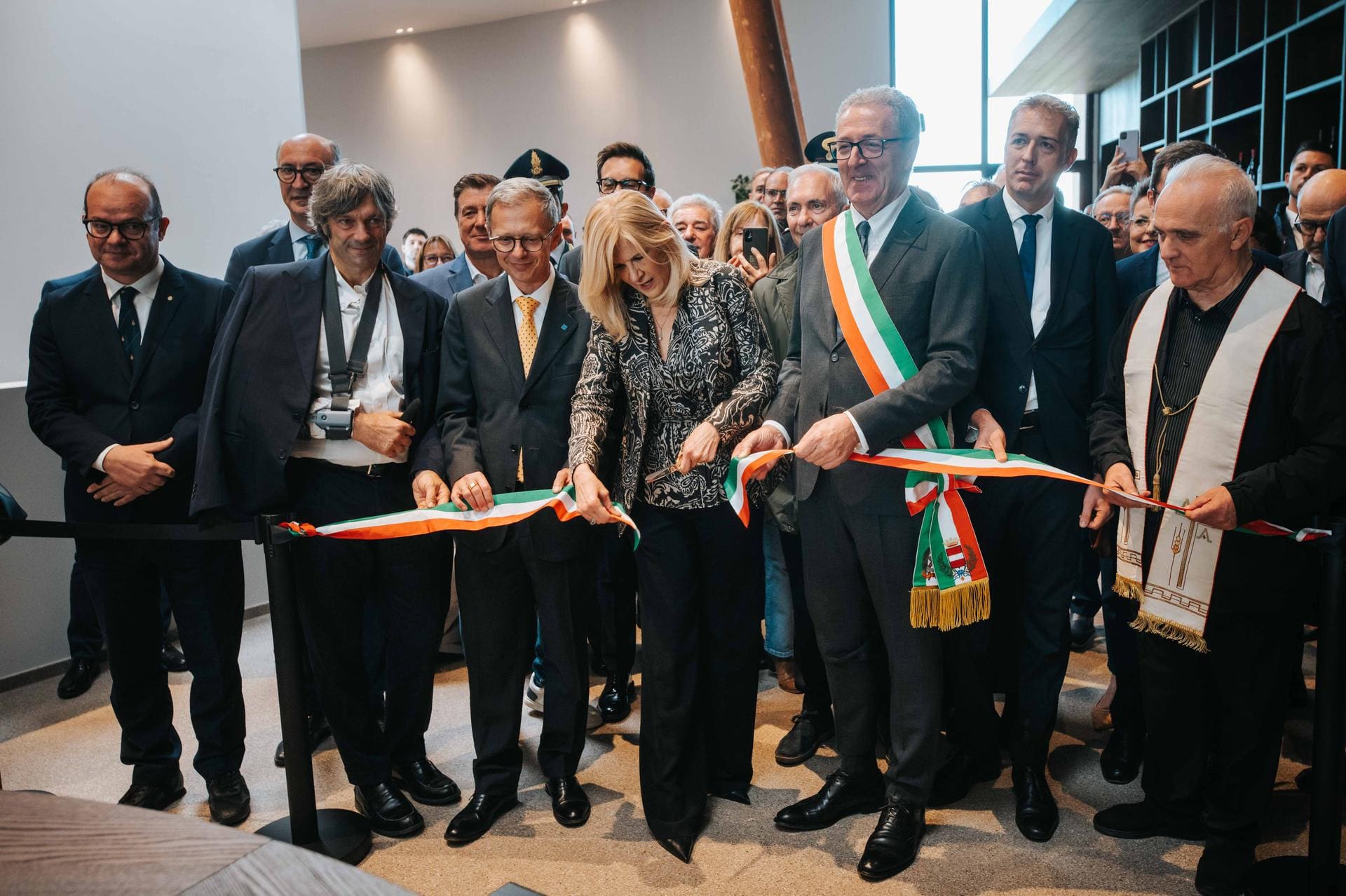
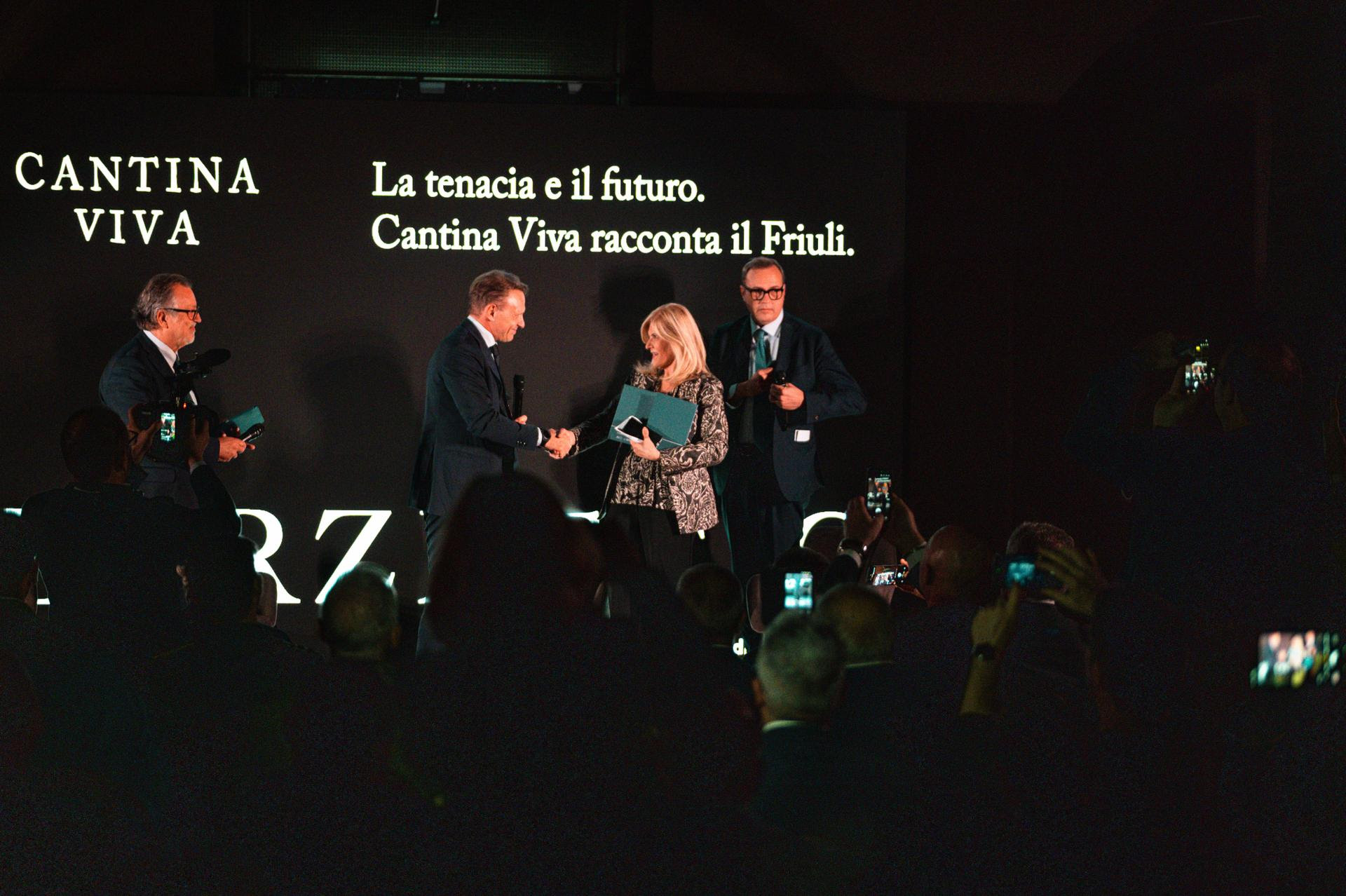
The opening ceremony was attended by Attilio Vuga, Mayor of Cividale, Monsignor Livio Carlino, Archpriest of Cividale, and Stefano Zannier, Regional Councillor for Agri-food, Forestry, Fisheries and Mountain Resources of the Autonomous Region of Friuli Venezia Giulia. The presentation of Cantina Viva was hosted by Luciano Ferraro, Deputy Editor of Corriere della Sera, with contributions from Tommaso Cerno, Editor-in-Chief of il Giornale. The day also featured contributions from Francesco Lollobrigida, Minister of Agriculture, Food Sovereignty and Forestry, and Matteo Zoppas, President of the Italian Trade Agency (ITA), who shared their reflections on the importance of the wine sector and the outlook for Made in Italy.
“Cantina Viva marks an important milestone in the history of our family and our company. We wanted to do more than simply build a new winery: we wanted to create a space that expresses how we work and how we experience wine. A place where respect for the land and the desire to improve every day can coexist with the pleasure of welcoming people and spending time together. For us, looking to the future means continuing to evolve while staying true to who we are,” says Annalisa Zorzettig.
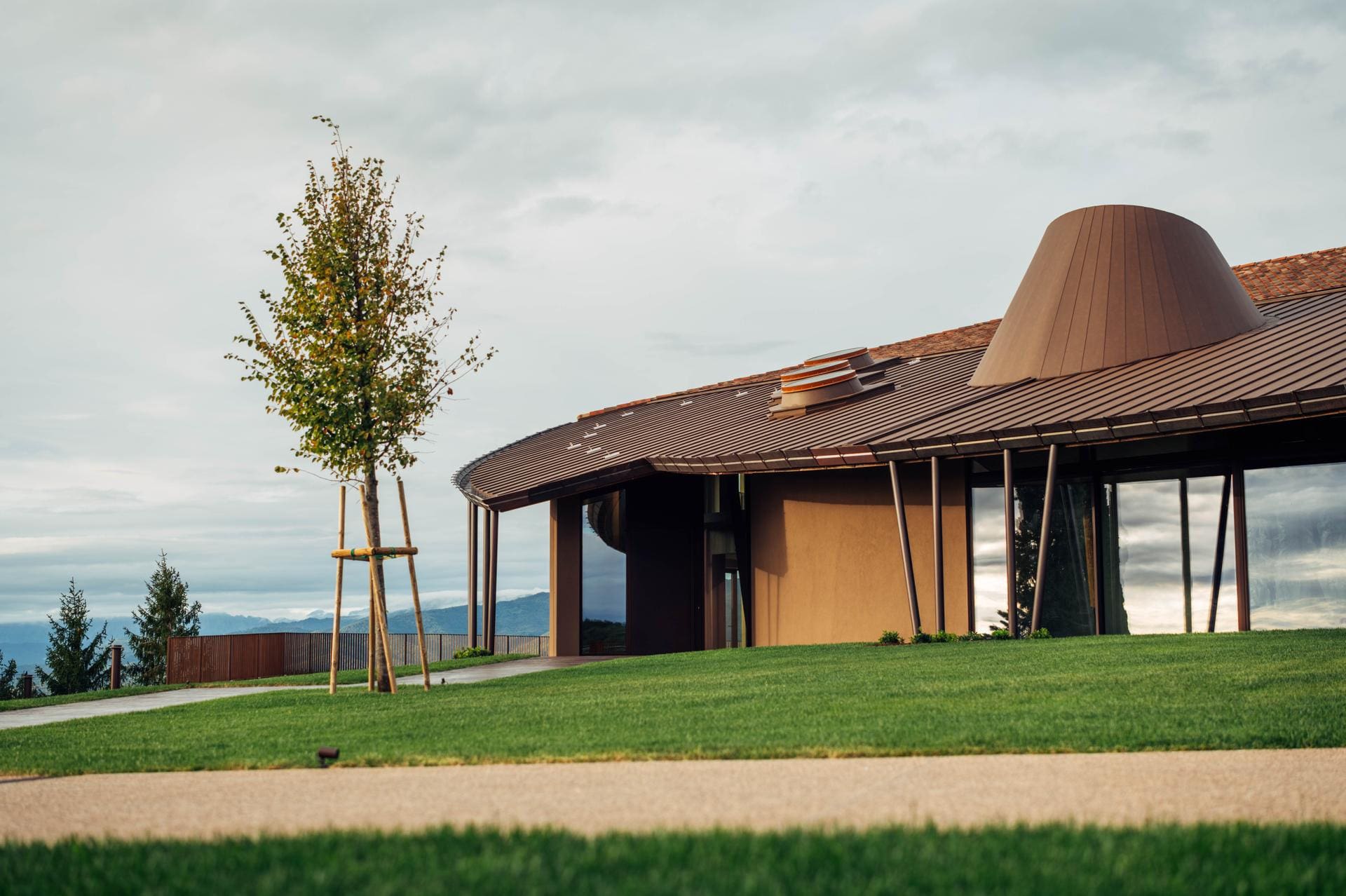
The name Cantina Viva captures this dual purpose. Hospitality, long embedded in Friulian tradition and the family’s history, takes shape here through a contemporary approach to wine tourism, extending beyond tasting to offer visitors the opportunity to explore the many facets of the estate. From the historic cellar, housed in an eighteenth-century building, to the new production and visitor spaces, the vineyards and the surrounding countryside, every element reveals what comes before the wine in the glass: the places, rhythms, decisions and people behind it. The architecture follows the same philosophy: the building follows the contours of the hillside, blending discreetly into the landscape. Iron, glass, wood and local sandstone create a contemporary architectural language that echoes Friuli’s rural tradition.
In terms of sustainability, Cantina Viva incorporates measures to improve energy efficiency, reduce consumption and recover water. These complement Zorzettig’s longstanding commitment to biodiversity through the preservation of local fruit tree varieties – apple, pear, cherry and plum – planted alongside the vineyards, restoring the agricultural diversity historically found in the Colli Orientali. The connection with the past also takes shape in the Library and the Focolare. The former houses historic bottles and older vintages, creating an archive of the company’s evolution; the latter revives the traditional hearth, a symbol of Friulian culture around which farming families would gather to share meals and stories. Today, the Focolare serves as a welcoming space for guests, while the staff kitchen keeps alive the tradition of eating lunch together and the sense of community it creates.
The inauguration of Cantina Viva also marks the beginning of a new chapter in winemaking. In 2026, Zorzettig began working with winemaker Luca D’Attoma, with the aim of bringing further depth to the work developed over the years, highlighting the distinctive characteristics of individual vineyards and the wines’ ability to express their place of origin authentically. Building on the company’s established philosophy, this collaboration reinforces its focus on vine balance and a restrained approach in the cellar, respecting the identity of each grape variety.
Cantina Viva also forms part of the renewal of Zorzettig’s brand identity, developed with Studio Idee Materia, the creative agency based in Teglio Veneto and led by Antonio Dore. Beginning with the redesign of the Tenaci range and subsequently extending to Myò, the collaboration has grown into a broader brand repositioning project, encompassing labels, sales materials and digital communications. Listening to Annalisa Zorzettig, her family and the team revealed a philosophy rooted in humility, tenacity and a constant desire to improve, captured in the phrase “imperfect by choice”. This is not a celebration of imperfection, but a rejection of uniformity and an expression of the belief that quality requires an ongoing quest for improvement. This approach is reflected in the two wine ranges: Tenaci embodies the determination of those who cultivate the land with respect and build value over time, while Myò – meaning “mine” in Friulian – represents the selection that most clearly expresses the estate’s identity, crafted from selected vineyards with meticulous care.
At the heart of this story is not only wine, but everything that makes it possible: the land, the people and a deeply Friulian spirit of conviviality. These values also find expression in Cantina Viva, a space dedicated to production and, above all, open to connection and shared experiences.