In Emilia, a land widely recognized for its sparkling wines, Ventiventi gives Ancellotta a central role in a still red that reflects the shift towards fresher, more precise and more versatile wines
September 3, 2026 (Modena, Italy) — Red wine is entering a new phase, and Ventiventi’s Ricanto Rosso captures this change through a contemporary interpretation of Ancellotta. Not abruptly, not through radical breaks, but through a gradual shift that is reshaping expectations, habits and, ultimately, taste. The change is subtle, but unmistakable.
Increasingly, consumers are seeking wines that clearly express their place of origin. Native grape varieties, once considered of secondary importance in international markets, are now gaining renewed attention for their ability to convey a sense of place without mediation. There is a growing curiosity for authenticity, for wines that are less standardized and more deeply rooted in local culture.
At the same time, sustainability has shifted from being a desirable attribute to an implicit expectation. From vineyard management to production choices, transparency is becoming part of the identity of the wine itself. And then there is the human factor. Increasingly, wines are approached through the stories of the people behind them: their decisions, their risks, their consistency over time. The producer is not just a name on the label, but a reference point through which the wine gains meaning.
All these elements are reflected directly in the glass.
Many red wines today are evolving towards lighter profiles, marked by greater precision, freshness, and balance. Structure has not disappeared, but it is interpreted differently, less extraction, less weight, more fluidity. These are wines that move more easily across occasions, that adapt to contemporary lifestyles and that respond to a desire for immediacy without sacrificing depth.
One of the most visible consequences of this shift is a simple but telling gesture: red wine being served slightly chilled. Not cold, but fresher than tradition would dictate. It is a small adjustment that transforms the experience, making red wine more accessible during warmer months and more aligned with informal, everyday moments.
It is within this evolving landscape that Ventiventi’s work takes shape.
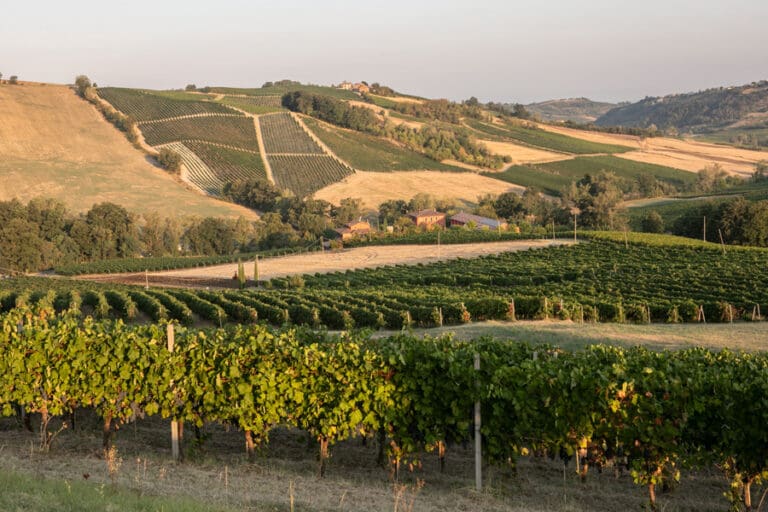
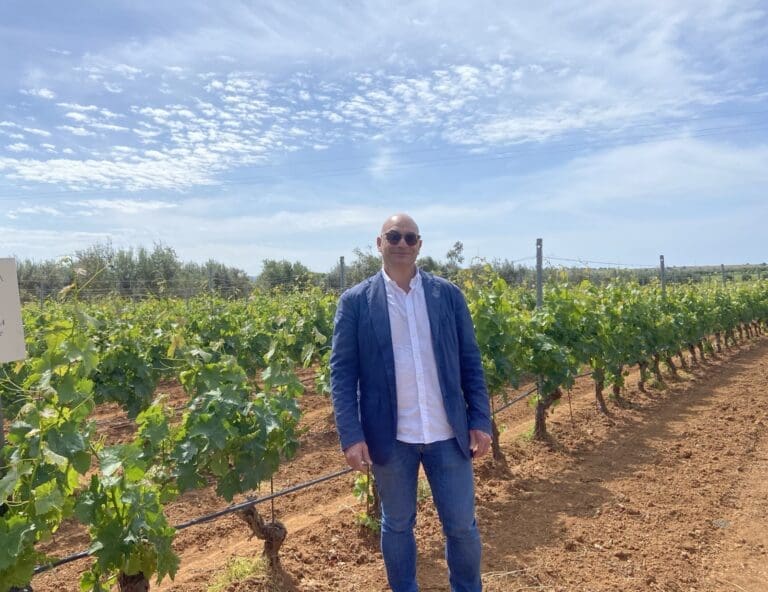
In Emilia, a land widely recognized for its sparkling wines, Ventiventi has chosen to also explore a parallel path. Founded in Medolla, in the province of Modena, the winery began in 2014 with the acquisition of land and a long-term vision rooted in the territory. Today, the estate extends over seventy hectares, thirty of which are planted with vines, on alluvial soils where clay, silt and sand create a naturally balanced environment for viticulture.
From the first plantings in 2016 to the inaugural harvest in 2018, and the commercial debut in 2020, the project has developed around a clear idea: to combine a deep connection to local grape varieties with a precise, contemporary approach to winemaking. Lambrusco Salamino di Santa Croce, Sorbara, Ancellotta and Pignoletto sit alongside a selection of international varieties, shaping a production that moves between tradition and experimentation.
This openness is particularly evident in the Ricanto range, a project that steps slightly outside regional expectations. Defined by the Razzaboni brothers — Riccardo, Andrea and Tommaso — as a space for freedom within the winery, Ricanto brings together still wines created in a territory where bubbles dominate. Even the name reflects this spirit, playing on the initials of the three brothers while suggesting a tone that is less formal, more exploratory.
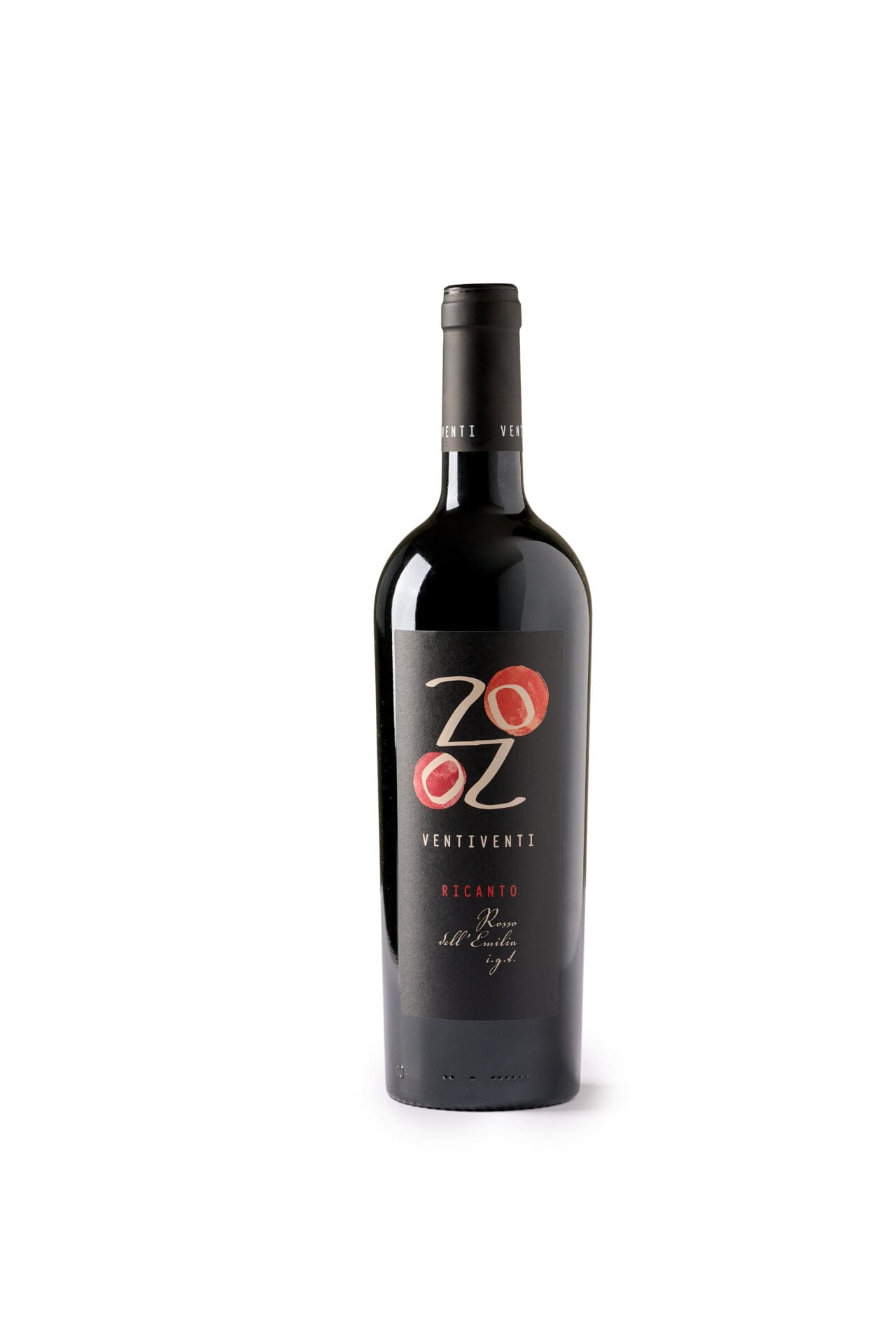
Within this range, Ricanto Rosso offers a clear example of how a local variety can be reinterpreted through a contemporary lens.
Made entirely from Ancellotta, a grape traditionally used to provide color and structure in blends, this wine places the variety at the centre, allowing it to express itself fully. The aromatic profile is deep yet defined, with notes of black fruits, sour cherry and a subtle touch of vanilla. On the palate, the entry is gentle, followed by a fresh, savory finish that keeps the wine moving, without heaviness.
The winemaking approach reflects this search for balance. Most of the wine, around eighty percent, is aged in stainless steel to preserve clarity and freshness. The remaining twenty percent rests in oak tonneaux, adding layers without overwhelming the natural character of the grape. The result is a wine that holds together structure and drinkability, complexity without excess.
It is, in many ways, aligned with the broader evolution of red wines today. A wine that does not seek to impress through weight, but through precision. A wine that can adapt even, if desired, to being enjoyed slightly chilled, without losing its identity.
About Ventiventi
Founded by the Razzaboni family in Medolla, near Modena, Ventiventi is a new-generation winery that combines agricultural tradition, innovation and sustainability. The winery’s name refers to the symbolic year 2020, which marked the beginning of the project and reflects a forward-looking vision focused on enhancing the territory and its most representative grape varieties. The estate directly manages its vineyards according to sustainable farming principles and produces wines that offer a contemporary interpretation of Emilia’s winemaking heritage. Particular attention is dedicated to Lambrusco di Modena DOC and other native varieties, expressed through careful production practices aimed at preserving quality and showcasing the authentic character of the terroir. Driven by a philosophy that combines identity, research and attention to detail, Ventiventi has quickly established itself as one of the most dynamic wineries in Emilia-Romagna, earning recognition from leading wine competitions and international guides while strengthening its presence in both domestic and international markets.