A Koji-Centered Sake-Making Culture—Its Techniques and People Recognized Worldwide
January 7, 2026 (Japan) — On December 6, 2025, one year had passed since traditional Japanese sake-making using koji mold was inscribed as a UNESCO Intangible Cultural Heritage on December 5, 2024.This registration does not target koji itself or any single production technique. Rather, it comprehensively recognizes the knowledge, techniques, and customs through which people—including toji (master brewers) and kurabito (brewery workers)—have brewed alcohol using koji mold, as well as the cultural practices through which these have been passed down.
Traditional Japanese sake-making is said to have established its basic form more than 500 years ago and has developed a unique technological system in which raw materials are saccharified and fermented using koji mold. In 2025, the organization that holds these techniques, The Preservation Society of Japanese Koji-based Sake Making Craftsmanship in Japan, together with the Japan Sake and Shochu Makers Association (JSS), cooperated to communicate the value of this koji-centered sake-making culture domestically and internationally through venues such as the Osaka–Kansai Expo and Kokushu Fair, one of the world’s largest events specializing in Japanese alcoholic beverages.
Koji Mold as a Unique Group of Microorganisms
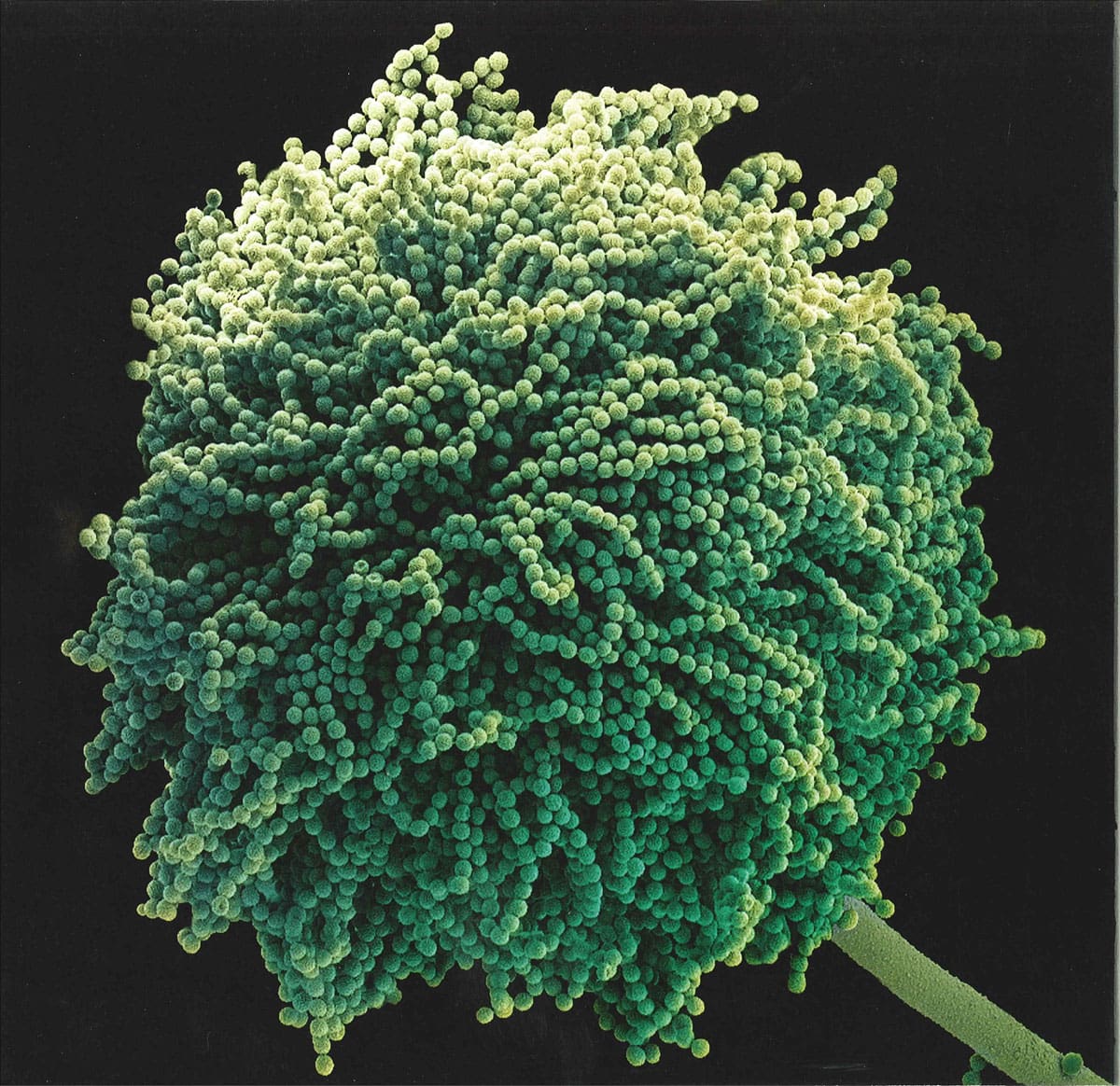
Koji mold, indispensable to traditional sake-making, consists of species such as Aspergillus oryzae (yellow koji mold), Aspergillus luchuensis (black koji mold), and Aspergillus kawachii (white koji mold). These molds have been carefully selected and refined over long periods of time at Japanese brewing sites from among the approximately 97,000 species of molds said to exist worldwide.
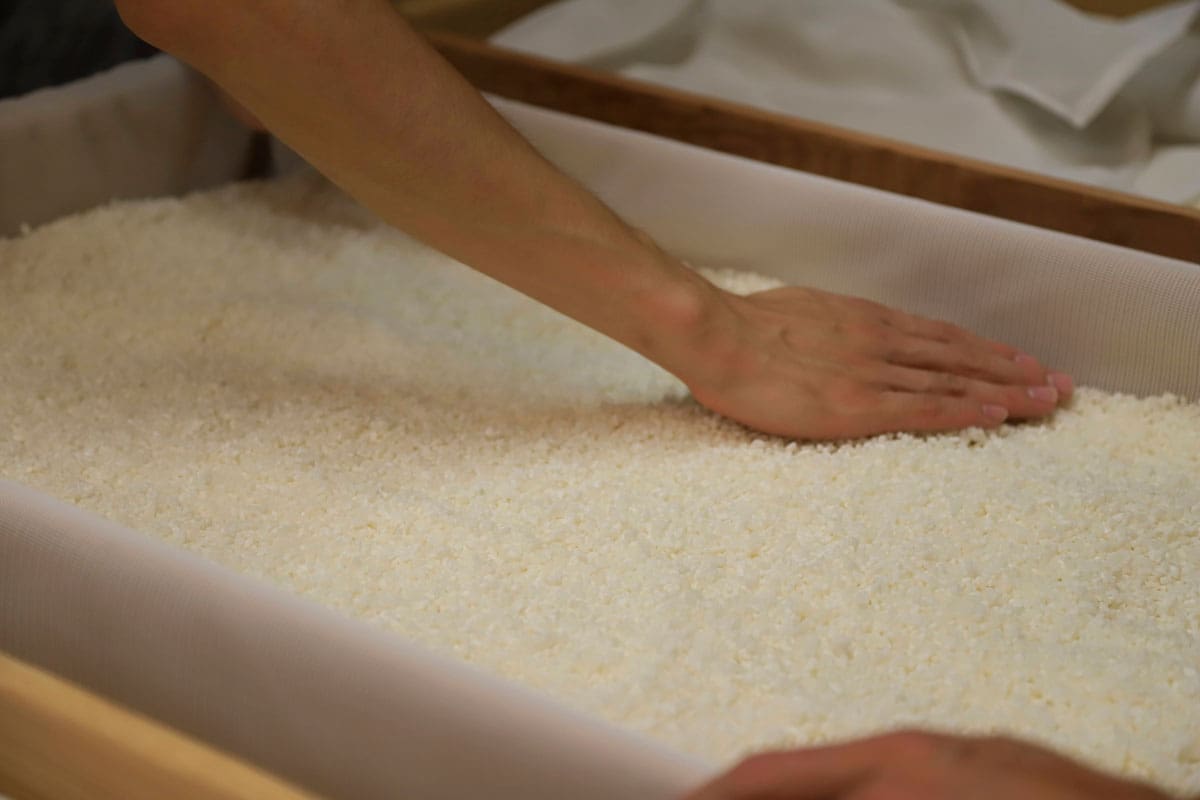
In Japanese sake production, yellow koji mold is cultivated on steamed rice to produce rice malt simply called “koji,” while in shochu and awamori production, black or white koji mold is used on raw materials such as rice and barley, selected according to the characteristics of each alcoholic beverage and the brewing environment.
The starting point of koji-making is tane-koji, which consists of spores of koji mold and is called koji starter in English. This tane-koji has been supplied by specialized producers since the 18th century.
Depending on the species and strain, koji mold differs in the types and quantities of enzymes it produces, as well as in the ways that it produces organic acid. Each brewery selects the most suitable koji mold according to its desired sake profile, regional climate, and raw materials, and carries out its own distinctive sake-making process.
Although fermentation cultures also exist in East Asia, the systematic technology and culture of cultivating koji mold on steamed ingredients to produce a wide range of foods and alcoholic beverages—such as sake, miso, soy sauce, and mirin—represents a development unique to Japan.
The Expanding Koji Culture
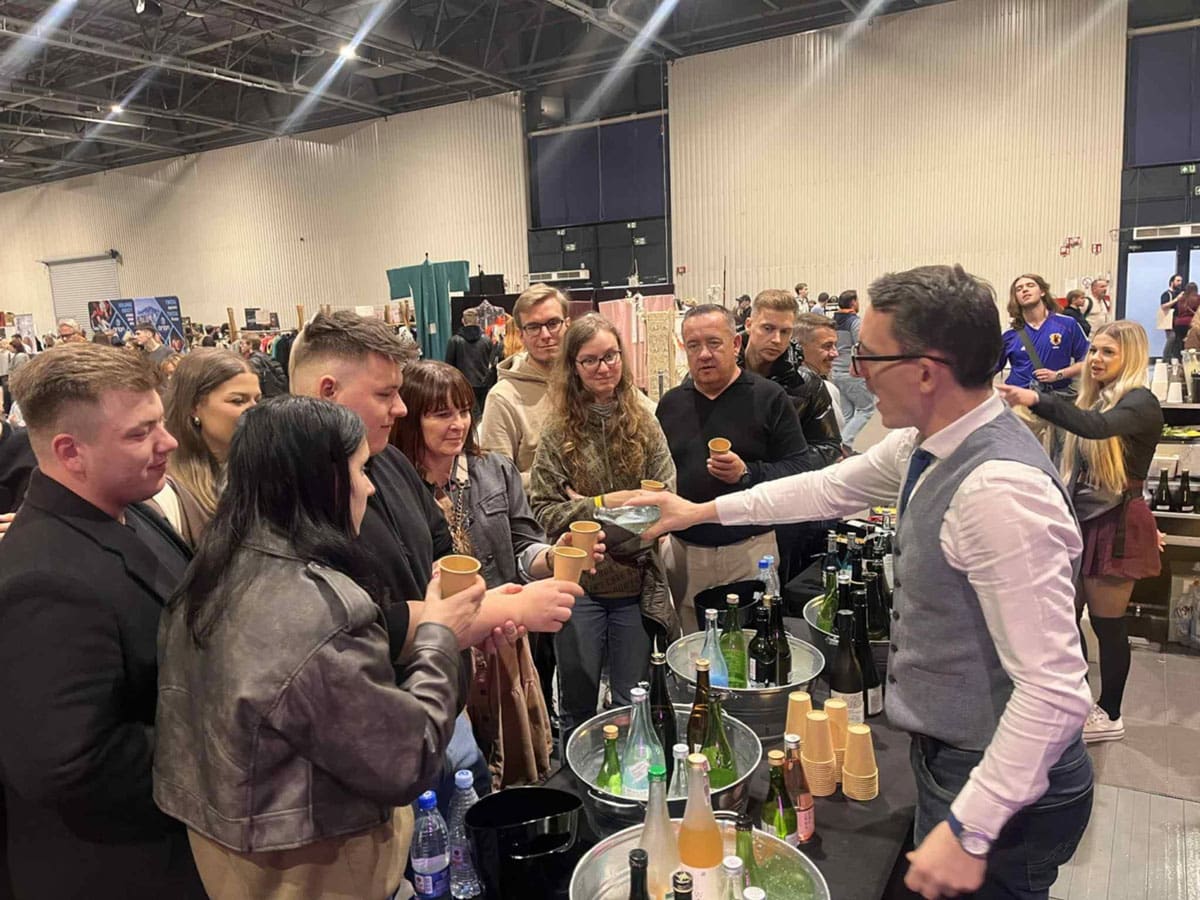
In 2024, sake was exported to a record 80 countries and regions and reached an export value of 43.5 billion yen, totaling 3.45 million 9-liter cases. From January to October 2025, exports continued to grow steadily at 8% year-on-year. The JSS is advancing promotional activities that emphasize education and experience even in regions such as Eastern Europe and Latin America, where sake culture had previously been slow to take root.
Dawid Sojka, a sommelier and representative of SommEvent, which conducts alcoholic-beverage education and promotion in Poland, states as follows:
“From the beginning, we understood that about 80% of the sake we handle would not initially suit consumers’ tastes. However, we believed that if we could provide a positive experience, sake would surely be accepted.”
He requires a 10-minute training session and tasting before sake can be purchased and offers around 20 different sakes at events. “As a result, about 90% of participants leave having found ‘their favorite sake.’ In immature markets, this successful experience is what truly matters,” he emphasizes.
Meanwhile, in Western Europe, where sake is increasingly gaining acceptance as part of everyday culture (for example, about 20% of the 31 Michelin three-star restaurants in France currently offer sake), not only sake itself but also dishes using koji are attracting attention within the context of fine dining.
Andoni Luis Aduriz, chef of Mugaritz, a restaurant renowned for its experimental gastronomy in Spain’s Basque region, says, “What most attracted us to koji was its capacity for transformation: a mold that produces enzymes (amylases and proteases) capable of converting starches into sugars and proteins into amino acids; expressed in the language of taste, this means sweetness and umami, texture and succulence. This allowed us to delicately cure and mature shio-koji, amazake, misos, and at the same time, “translate” local grains and legumes into regional condiments.”
He adds, “With koji, we have developed dishes that speak of delicacy and subtlety, and which are often paired with a sake, such as: “Del Chikugo al Ebro,” “Pañuelo de Sake,” or “Blanco y negro” (Black and White).We have always had a great admiration and respect for Japanese culture; Japan has been, and is, an inexhaustible source of inspiration. Working with koji and sake at Mugaritz, we always feel a little bit more a part of Japan.”
Luke French, co-owner and executive chef of Jöro, which leads modern gastronomy in northern England, also says, “Koji now plays a vital role in our cooking. The most appealing aspects are the flavour profiles and aromas it produces through different types of koji and different preparations of using it.”
An Intangible Cultural Heritage Passed Down by “People”
Tatsuya Ishikawa, Chairman of the Japan Toji Guild Association, states, “Because what was registered with UNESCO is an intangible cultural heritage, it cannot simply be preserved as paper documents or video footage. It is, above all, ‘people’ who pass on that tradition. Therefore, it becomes important to create an environment in which people who are motivated to engage in sake-making can enter this path and acquire traditional techniques.” He spoke of the importance of passing on techniques through sake-making.
The JSS, as an organization representing approximately 1,600 producers of sake, honkaku shochu, awamori, and mirin, sees the creation of demand for kokushu (Japan’s national alcoholic beverages) as a key mission for the transmission of these techniques. In September 2025, during the ASI Asia & Pacific Best Sommelier Contest held in Kuala Lumpur, Malaysia, a sake masterclass was conducted. Reese Choi of Hong Kong, who won the competition as Best Sommelier, stated, “Sake is not merely a drink; it is Japanese culture itself.”
Carrying the Koji-Based Sake-Making Culture into the Future
On December 6, 2025, a first-anniversary event commemorating the UNESCO registration was held in Asakusa, Tokyo. Brewers, sake educators, mixologists, chefs, and other stakeholders from diverse backgrounds gathered and exchanged views on the possibilities of sake-making using koji. Although their positions differed, what they shared in common was a strong will to pass on koji culture to the future and expand it globally.
The JSS will continue to convey to the world the embodiments of koji culture—sake, honkaku shochu, awamori, and mirin—and by creating demand, will work toward the sustainable transmission of sake-making culture using koji.
Note:
In this document, the term “sake-making” is used in a broad sense to refer not only to the traditional production of Japanese sake, but to the production of all Japanese alcoholic beverages that use koji mold in their manufacturing processes.