November 19, 2025 (Sebastopol, CA) — While many California winegrowers are pulling out vines amid an industry downturn, Freeman Vineyard & Winery is doing the opposite—expanding its estate roots in western Sonoma County by planting a new Chardonnay and Pinot Noir vineyard.
According to the California Association of Winegrape Growers, the state’s growers removed more than 38,000 acres of vineyards between Oct. 1, 2024 and Aug. 1, 2025. Meanwhile, Freeman Vineyard & Winery is quietly going against the grain by expanding its estate program and strengthening the winery’s long-term sustainability—a decision that’s both strategic and contrarian in today’s market.
The expansion of Freeman Vineyards & Winery, which recently became certified organic, represents a deliberate long-term investment in supply stability and brand control at a time when many producers are scaling back.
Set in the Sebastopol Hills, the new vineyard will enable Freeman to produce 95% estate-grown wines. Owning and farming nearly all of its fruit will allow the winery to manage costs, maintain quality consistency, and safeguard margins.
The move also reinforces Freeman’s differentiation in an increasingly consolidated market offering estate-grown authenticity and sustainable farming practices that resonate with both trade partners and today’s direct-to-consumer buyers.
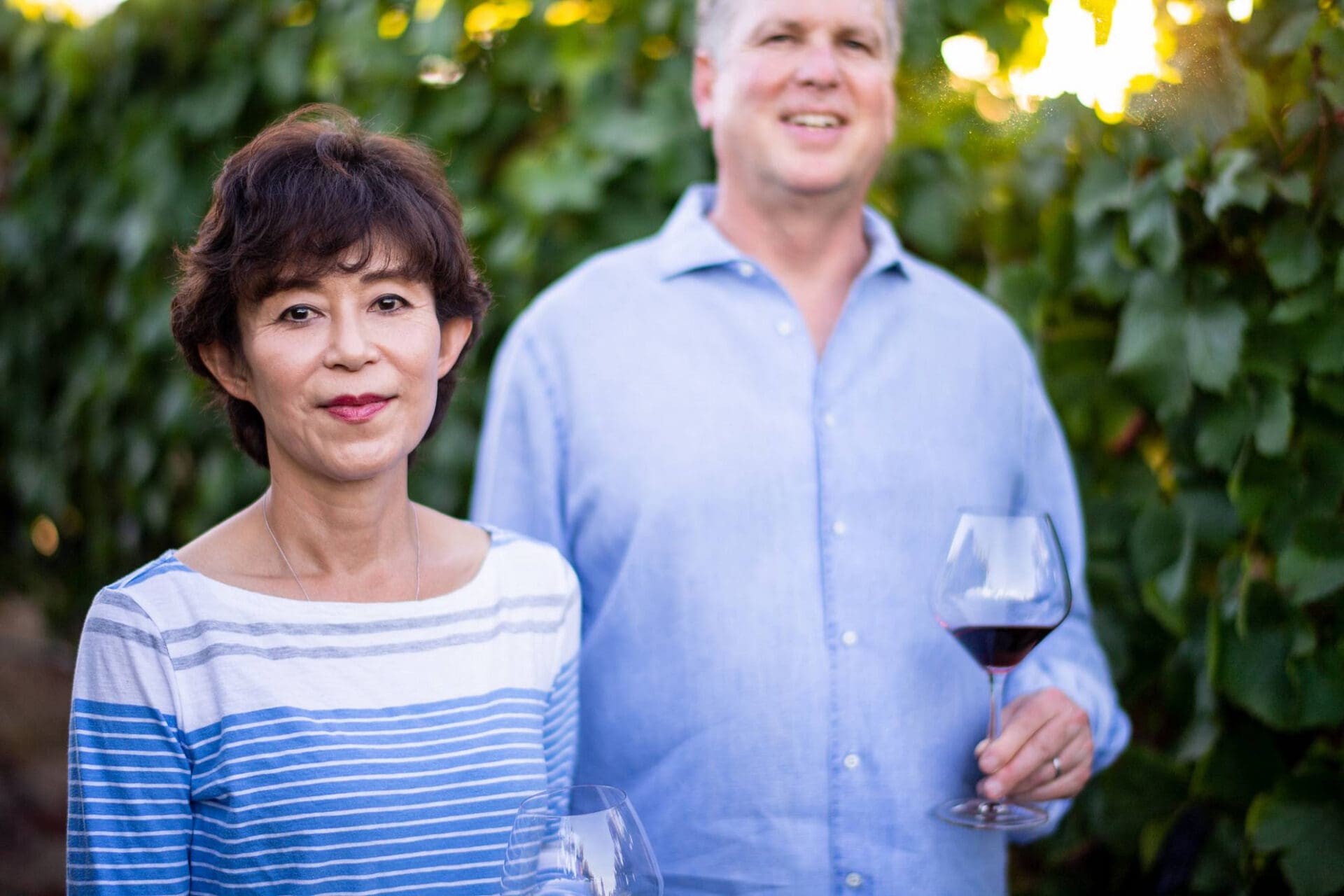
“Planting a new vineyard right now isn’t about chasing growth, it’s about believing in the kind of wines we love to make and people love to drink,” said winemaker and co-founder Akiko Freeman. “Cool sites, organic farming and balance in the glass never go out of style.”
“Despite the very real challenges facing wineries right now, the fundamentals haven’t changed,” added Ken Freeman, the winery’s co-founder. “When you stay connected to your customers, keep your quality high and your pricing fair,” he said, “there’s always a place for your wine at the table.”
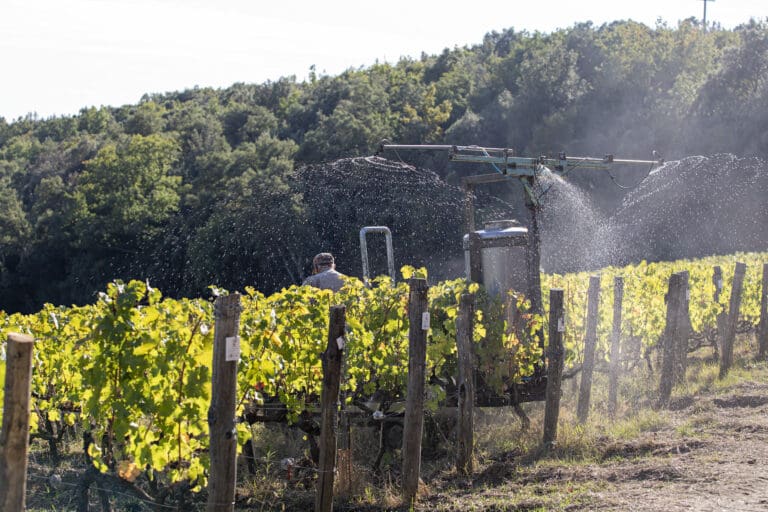
Located on a former apple orchard just 10 miles from the Pacific Ocean, the new vineyard is called Ko-fu (“spring breeze” in Japanese). The Freemans planted 10 acres of rootstock on the marine-influenced property earlier this year, planning to devote the vineyard to dry-farmed Chardonnay and Pinot Noir, along with an acre of Riesling. They expect to harvest the first crop from Ko-fu in 2028.
Five Reasons Freeman Is Growing (Thoughtfully) During an Industry Downturn
- Consumer Alignment – As buyers gravitate toward lower-alcohol, food-friendly wines, Freeman’s restrained Chardonnay and Pinot Noir naturally fit the trend.
- Brand Differentiation – Estate-grown fruit and organic certification, handcrafted by a female owner, set Freeman apart in a contracting market increasingly reliant on purchased grapes and corporately owned wineries.
- Pricing Discipline – Maintaining accessible, transparent price-points builds long-term brand equity and direct-to-consumer (DTC) sales retention.
- Customer Engagement – Wine dinners held across the country and internationally—including events at private clubs and in collectors’ homes—forge personal connections and sustain loyalty without relying on traditional distribution models.
- Balanced Domestic and International Expansion – Modest estate growth strengthens vineyard control and cost stability while preserving small-production identity. The Freemans sell 25% of their wines in 12 international markets.
About Freeman Vineyard and Winery
Ken and Akiko Freeman founded Freeman Vineyard & Winery in 2001 with a focus on cool-climate Pinot Noir from the Russian River Valley and West Sonoma Coast. Drawn to the complexity of wines from these rugged, ocean-influenced regions, the Freemans established their winery and developed vineyards on the cool western edge of the Russian River’s Green Valley appellation. Today, Freeman’s estate vineyards include Gloria and Yu-ki, both certified organic by CCOF, along with the newly planted 10-acre Ko-fu Vineyard in the Sebastopol Hills. As winemaker, Akiko guides each vintage of Freeman’s expressive and elegant Pinot Noir and Chardonnay. The winery produces about 6,000 cases annually.