Montalbera tells the story of Castagnole Monferrato through Lequilibrio – Barbera d’Asti DOCG Superiore, Laccento – Ruchè di Castagnole Monferrato DOCG and Grignè – Grignolino d’Asti DOCG, three distinct expressions of a region’s identity and its native grape varieties
October 2, 2026 (Castagnole Monferrato, Italy) — Castagnole Monferrato is one of the places where Montalbera has built an important part of its identity as a producer. A territory in the Asti area of Monferrato where viticulture has, over time, found a balance between environment, grape varieties and wine culture, giving rise to wines deeply connected to the territory from which they originate.
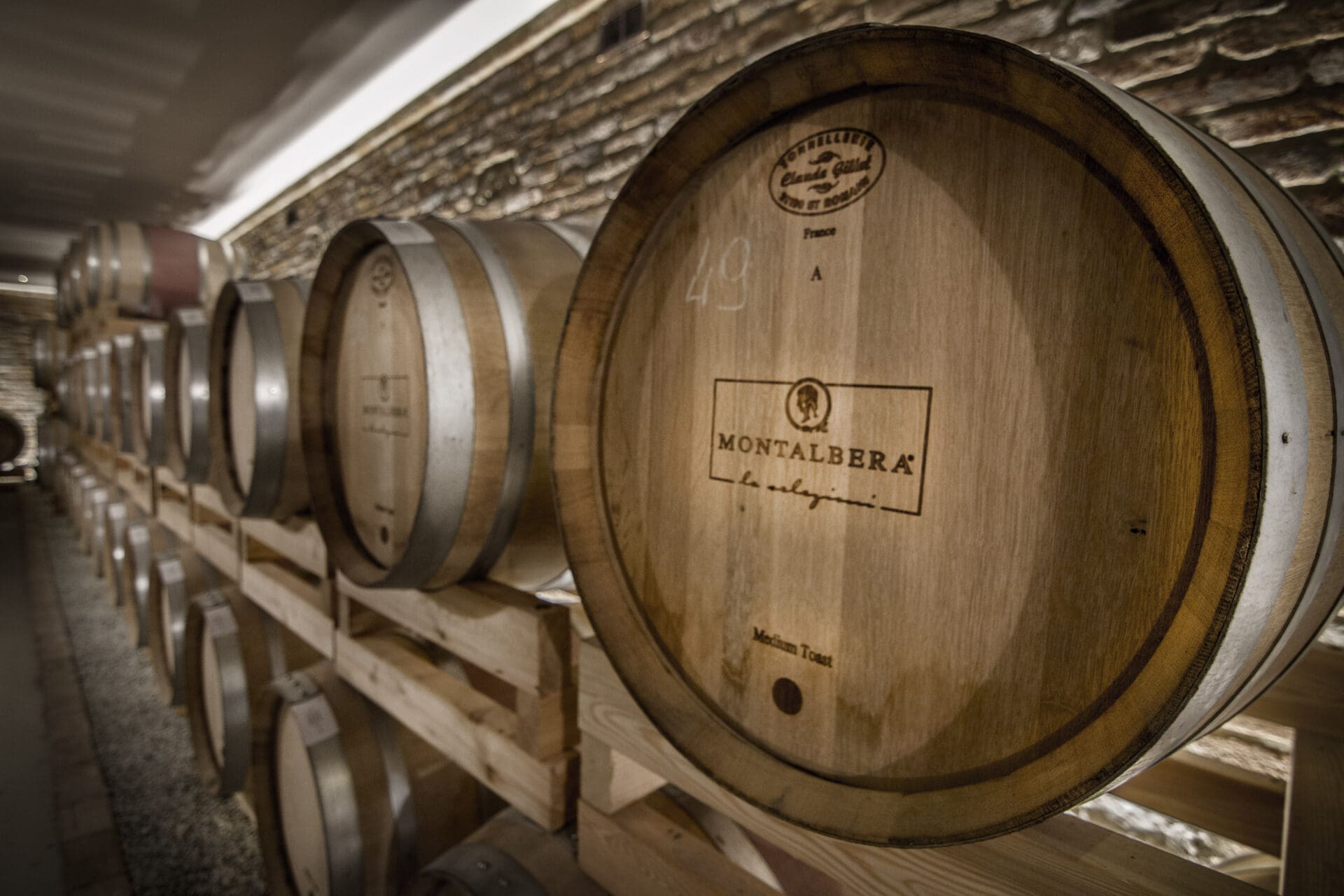
For the Morando family, this connection is the result of knowledge built over generations: an understanding of the vineyards, the varieties cultivated here and the characteristics that make each harvest different. The history of a winery is also a history of observation and experience, in which knowledge of the land is passed on and enriched over time. At Montalbera, this continuity provides the foundation for interpreting native grape varieties not as interchangeable expressions of winemaking, but as individual voices shaped by their place of origin.
This is where Lequilibrio Barbera d’Asti DOCG Superiore, Laccento Ruchè di Castagnole Monferrato DOCG, and Grignè Grignolino d’Asti DOC, take shape: three wines that differ in grape variety, character and production approach, yet share the same territory. Tasting them together means looking at Castagnole Monferrato from three different perspectives. Barbera brings structure, intensity and the natural acidity that defines its character; Ruchè expresses a distinctive aromatic and floral personality, strongly rooted in its place of origin; while Grignolino offers a further interpretation of the territory through a grape variety that has historically been associated with Monferrato and that possesses its own unmistakable identity. These differences are also part of the area’s viticultural heritage. Each variety has its own history and responds differently to its growing conditions. The interaction between vines, their environment and the experience of those who cultivate them explains how a single territory can produce wines with such distinct personalities.
Three varieties that do not seek the same result and that, precisely because of their differences, allow the same terroir to be read through different nuances.
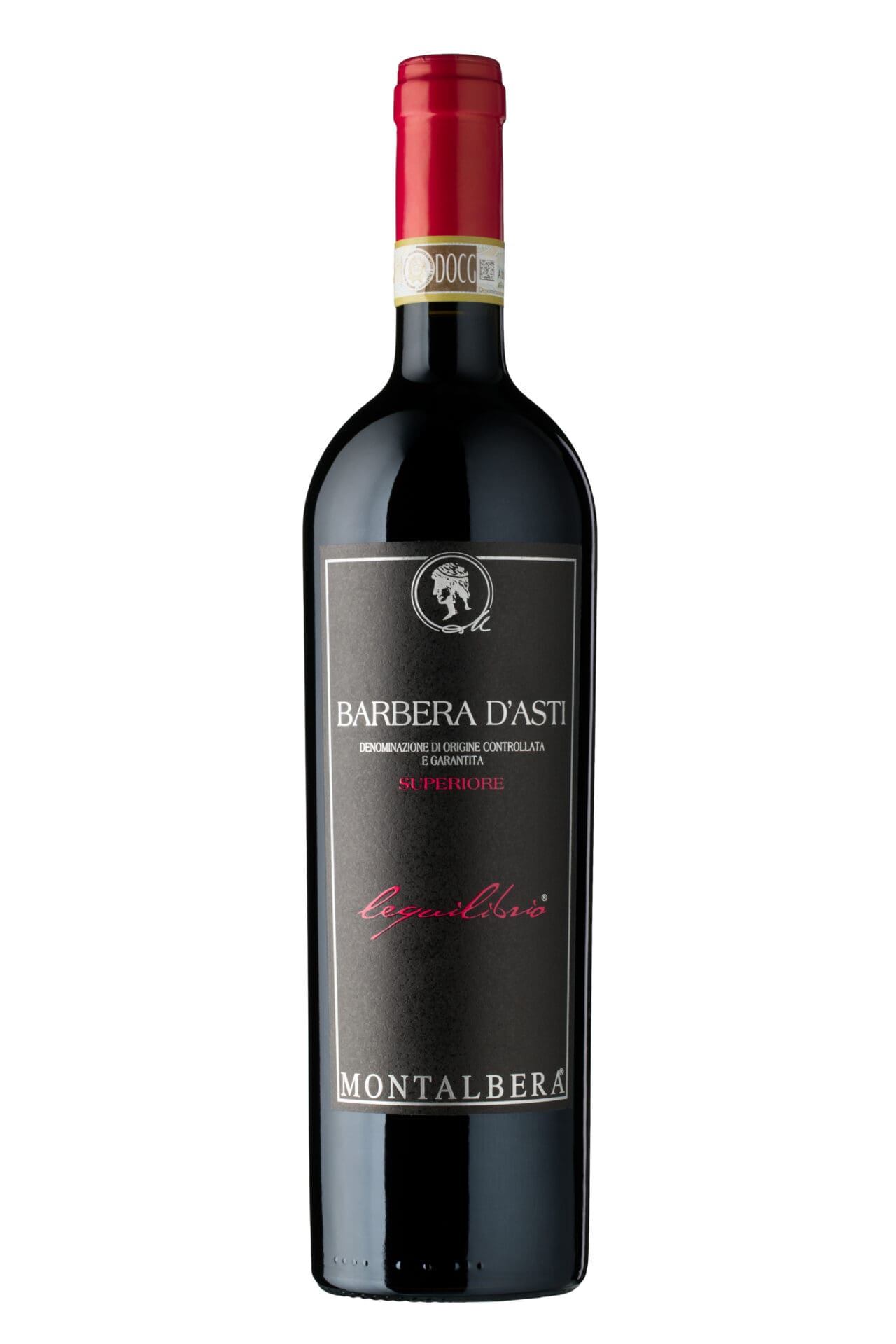
With Lequilibrio Barbera d’Asti DOCG Superiore, Montalbera presents one of the most recognizable expressions of Barbera. A grape variety that finds in Monferrato an ideal environment for developing structure and intensity while maintaining the acidity that is central to its character. After vinification, the wine undergoes 10–12 months of ageing through a combination of different oak vessels, tonneaux and large French oak casks. This process is designed to accompany the wine towards greater depth and harmony, enhancing its complexity without overshadowing the identity of the variety. The result is a Barbera d’Asti DOCG Superiore with an intense and enveloping personality, in which the concentration of the fruit meets deeper nuances and a solid structure. Lequilibrio identity begins in the vineyard, where the characteristics of Barbera meet the conditions of the Monferrato landscape. The variety’s natural energy and concentration provide the basis for a wine that combines depth with freshness. In the cellar, the choice of ageing vessels becomes a way of accompanying this expression rather than redefining it: the aim is to give the wine greater complexity while allowing the varietal character and the qualities of its origin to remain recognisable. It is an approach that reflects the importance of experience in understanding how best to bring out the potential of a grape variety.
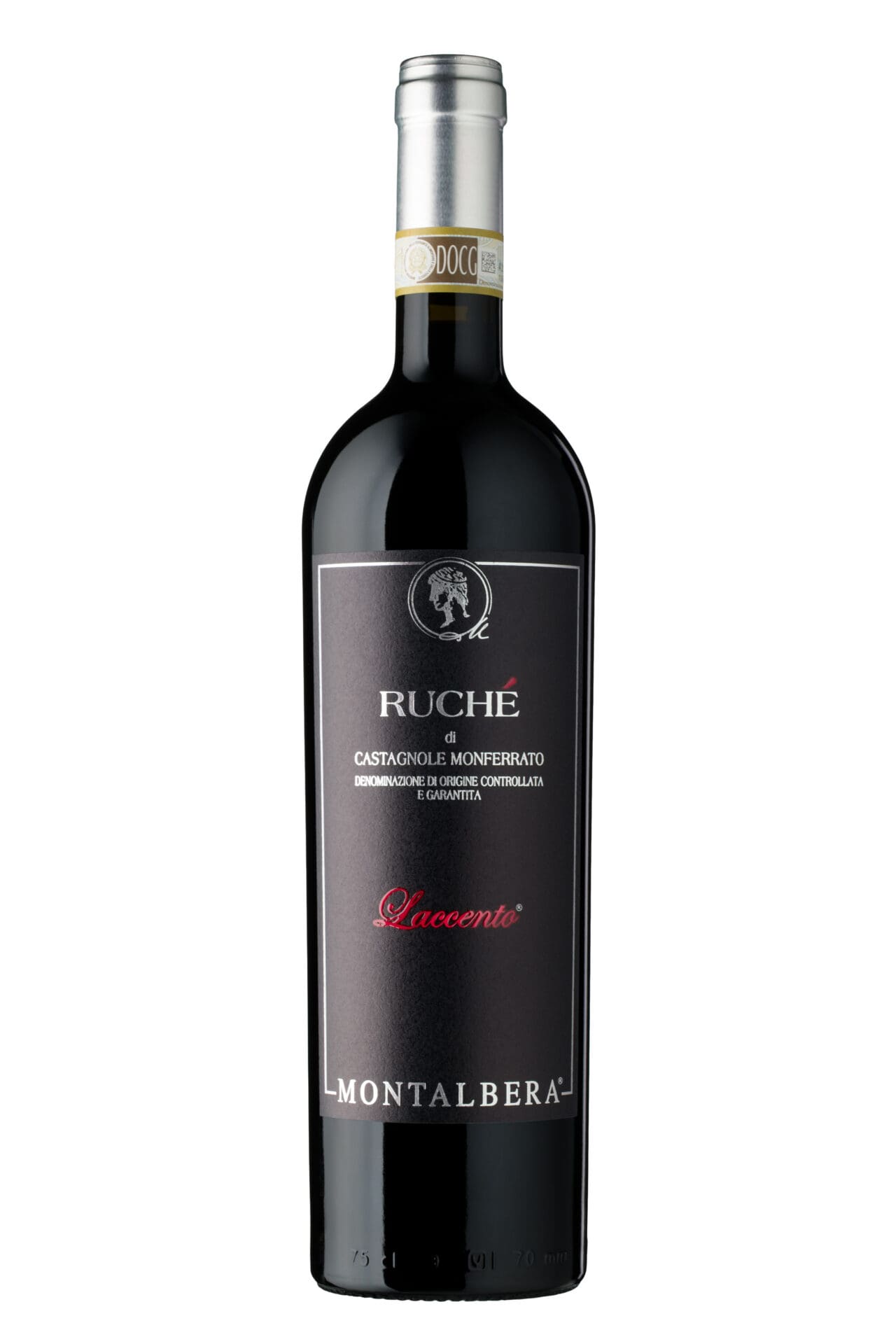
With Laccento Ruchè di Castagnole Monferrato DOCG, the same territory takes on a different voice. The protagonist is Ruchè, a grape variety with a strong semi-aromatic imprint and an elegant personality, which has found one of its most distinctive expressions in the hills of Castagnole Monferrato. The close association between Ruchè and this part of Monferrato is central to its identity. Here, the variety is not simply a grape cultivated in a particular place: it is part of the area’s viticultural heritage, whose character has been progressively understood and refined through the work of generations of growers. Montalbera’s interpretation builds on this relationship, seeking to preserve the aromatic qualities that make Ruchè immediately recognisable while allowing the wine to express its own balance and personality. Here too, Montalbera’s work begins with the desire to preserve and enhance what the territory and the grape variety naturally offer, without forcing its character. The harvest takes place according to two different stages of ripeness: 80% of the grapes are picked at optimal maturity, while the remaining 20% is left to reach slight over-ripeness directly on the vine. This approach contributes greater complexity and broadens the wine’s aromatic dimension while maintaining the identity of Ruchè. The wine is then matured in stainless steel tanks, a choice that preserves its varietal character and allows its personality to emerge clearly. Laccento is an intense and persistent Ruchè in which floral and fruity dimensions come together in balance.The floral character deserves particular attention: the reference to rose petals describes a fragrant, immediately recognisable dimension of Ruchè’s aromatic profile, rather than a single isolated scent. It contributes to the wine’s expressive identity, complementing its fruity notes and giving the bouquet an inviting, perfumed quality. The result is an aromatic profile that combines intensity with delicacy, without losing the freshness and definition of the variety.
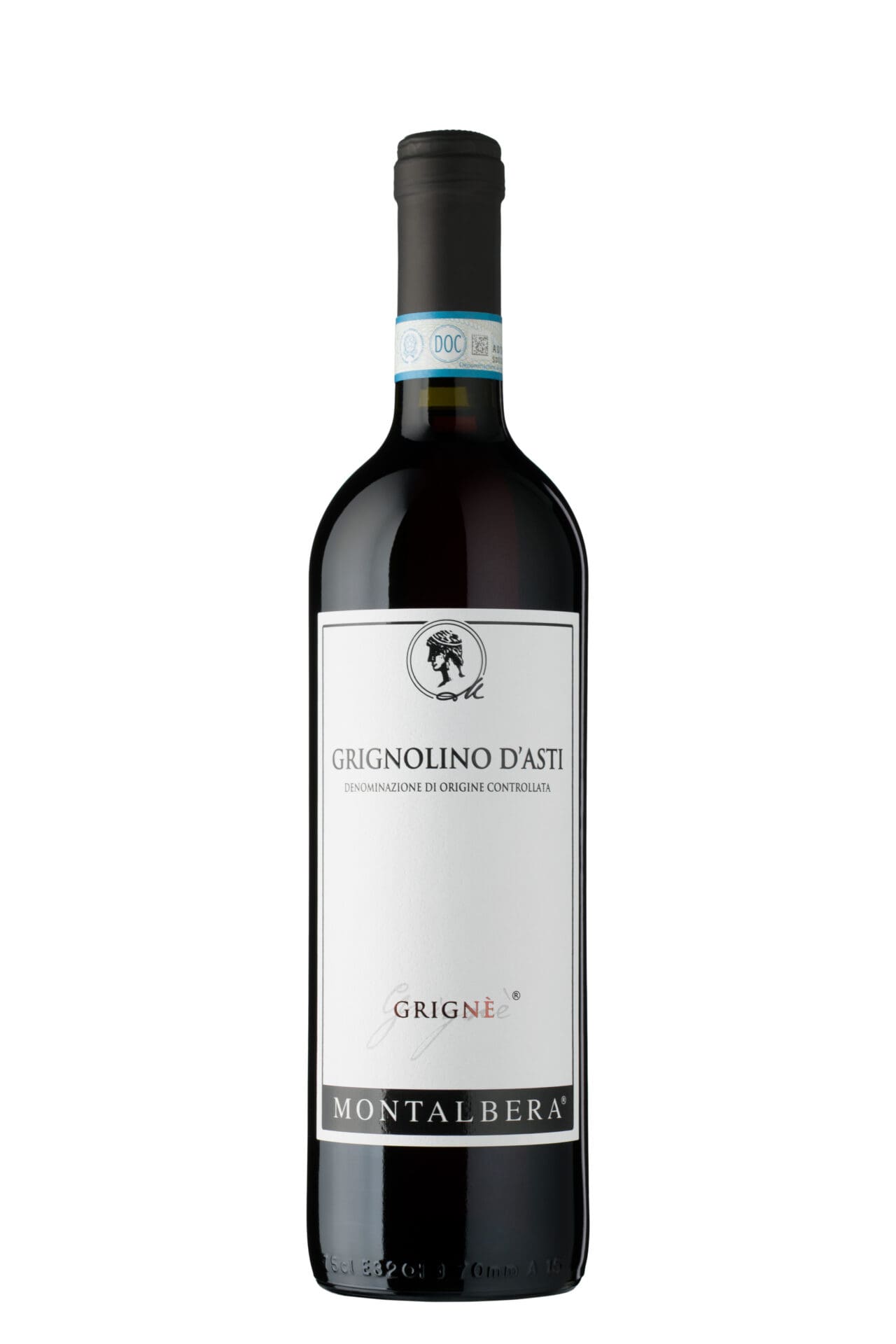
Completing this picture is Grignè, Montalbera’s Grignolino d’Asti DOC. Its presence further broadens the story of Castagnole Monferrato, demonstrating how the same area can give rise to wines that differ not only in structure and intensity, but also in personality and expression. Grignolino brings a further historical dimension to this landscape. Its longstanding association with Monferrato makes it an important part of the region’s viticultural identity, while its distinctive character offers a different perspective from the more immediate intensity of Barbera or the aromatic richness of Ruchè. Preserving and interpreting this variety also means maintaining a connection with the winemaking knowledge accumulated over time, ensuring that its particular qualities continue to find a place in the present-day expression of the territory. Produced in Castagnole Monferrato and Montemagno, Grignè is made from Grignolino grapes and follows a traditional red vinification process. Its ageing in stainless steel tanks is designed to preserve the freshness and distinctive character of the variety, allowing its more delicate and nuanced personality to remain at the centre of the wine. Grignè offers yet another perspective on Monferrato. Its pale ruby-red colour reflects an evolution that is part of its identity. On the nose, its floral and delicate character is accompanied by notes of marasca cherry, small berries and subtle hints of oriental spices. On the palate, it is dry and balanced, warm and pleasant, with a characteristic bitter finish. In Grignolino, the relationship with terroir is expressed through a different register: rather than relying on sheer concentration, the wine’s identity emerges through its lighter colour, fine aromatic nuances and distinctive finish. These characteristics are part of what makes the variety recognisable and demonstrate how the interpretation of a vineyard’s potential does not always lead towards power or intensity. Sometimes, the most faithful expression of a place lies in its subtleties.
Three wines, therefore, that originate from the same land but follow different paths. Lequilibrio Barbera d’Asti DOCG Superiore, looks to the depth and structure of Barbera; Laccento Ruchè di Castagnole Monferrato DOCG highlights the aromatic, floral and silky character of Ruchè; while Grignè Grignolino d’Asti DOC adds a third perspective, bringing a historically rooted Monferrato variety back to the centre of the territory’s story.
For Montalbera, territory is the starting point of a dialogue between grape variety and production choices. The grapes may change, as do harvesting times, vessels and ageing processes, yet the connection with the land remains. It is through this diversity of interpretations that Monferrato can reveal its complexity: not with a single voice, but through wines that, while originating from the same place, choose different ways of expressing it. It is precisely this plurality that makes Castagnole Monferrato such an interesting territory. The same land can give depth to Barbera, SEMI-aromatic elegance to Ruchè and distinctive character to Grignolino. At Montalbera, this plurality is inseparable from the continuity of the family’s work. The experience passed down through generations offers a point of reference for understanding the vineyards, recognising the characteristics of each variety and making choices that respect their individual nature. The terroir is therefore not simply the sum of geographical and environmental conditions: it is also the relationship that develops over time between the land, the vines and the people who care for them.
For Montalbera, enhancing these differences means continuing to build an interpretation of Monferrato based on an in-depth knowledge of its vineyards and on the ability to approach each grape variety according to its own nature. A process that starts with the land and, through different wines, offers a new perspective each time on the same landscape.
About Montalbera
Guided by the Morando family for three generations, Montalbera combines native grape heritage, sustainable viticulture and a fruit-driven winemaking philosophy to express the unique identity of Piedmont’s wine-growing landscapes. Today, the winery occupies a unique position within Piedmont’s wine landscape, stretching across Monferrato and Langhe, two of Italy’s most important wine-producing regions. The estate’s heart lies around Castagnole Monferrato, with 130 hectares of vineyards planted on a single hillside estate, complemented by the cultivation of Piedmont hazelnuts. In Castiglione Tinella, in the Langhe area, are located the historic Moscato d’Asti vineyards and the Morando family’s roots. This dual identity — Monferrato and Langhe, Ruché di Castagnole Monferrato DOCG and Moscato d’Asti DOCG — defines Montalbera: a winery capable of interpreting two of Piedmont’s great wine traditions with both rigor and a contemporary vision.