The study measured 189 wine storefronts and 11,111 wines in September 2026, and found 82% of wine listings carry exactly one photograph.
VANCOUVER, BC, September 17, 2026 – Outshinery has published The State of Wine Product Imagery 2026, an ungated study of 189 wine storefronts covering 11,111 wines and 10,217 product images, measured on September 4, 2026. Comparing the premium third of each catalog against the entry third, a gap averaging 2.7 times in price, it found no measurable difference in how many photographs a wine carries or at what resolution. Across the sample, 82% of wine listings show the shopper exactly one photograph.
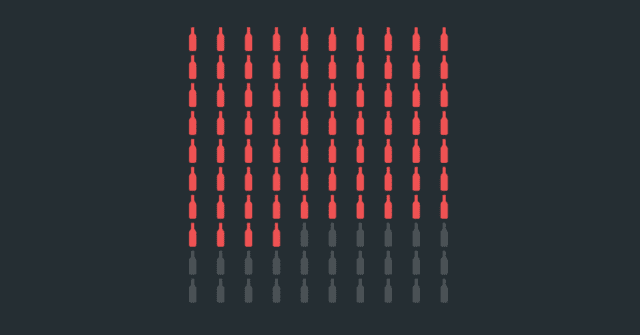
The pattern is what a single upload pipeline produces when every wine goes through it the same way. The study found the same uniformity elsewhere in the catalog: 74% of storefronts carry product images in mismatched proportions, roughly half of a typical winery’s catalog was uploaded in one burst a few weeks long, and in a third of wineries the oldest product photo on the site and the newest are more than three years apart.
The stores were measured through the Commerce7 storefront API, the only large wine commerce platform that exposes one, across the United States, Canada, Australia, New Zealand and South Africa. The findings describe how wineries produce and manage images rather than where they host them. Both platforms cited in the study already publish the standard in plain language: Commerce7’s image documentation tells merchants to crop images to the same dimensions each time, and OrderPort’s configuration guide says all bottle shots should be the same size and maintain the same aspect ratio.
“The first thing anyone can do with this is open the folder where their bottle shots live, select them all, and look at the thumbnails,” said Laurie Millotte, Founder of Outshinery. “In ten years of working with winery catalogs, what produces that mix is a different camera, a different photographer, sometimes a different agency for each release, and nobody ever asked to look at the whole set together.”
The study reports further findings, including that about one listing in eleven shows a photograph of a different vintage from the one in the product title, and that a third of product images sit under 1,000 pixels on the long edge. It makes no claim about what any of this does to sales. Nothing in the study measures shopper behavior, and the method notes, likely ranges and limitations are published in full alongside the findings.
The storefront is also the one surface where the mismatch is hardest to see, because most shop themes place each image in a fixed box. The same files go out to trade sheets, distributor decks, retailer submissions, marketplace listings and email, where nothing stands between the image and the reader.
The full study, including the method and what was not measured, is published at go.outshinery.com/7g8t
About Outshinery
Outshinery produces photorealistic 3D product imagery for wine, beer, spirits, RTD, cider, and cannabis brands. No physical product samples are required. Founded in Vancouver, BC in 2016, Outshinery has produced imagery for more than 2,000 brands, with clients across the US, Canada, Australia, and the United Kingdom. The company operates two production services: Studio, a human-led 3D production service, and Lite, an automated self-serve bottle shot generator for wine, cider, and beer bottles.