Continuing Export Growth and Responses to Rice Shocks
September 30, 2025 — This year marks the 47th year since October 1 was selected to be “Sake Day” by the Japan Sake and Shochu Makers Association (JSS) in 1978. This day was chosen partly because it was the traditional start of the sake brewing year (although now the official brewing year begins on July 1), and partly because the same Chinese character “酉” that represents “October” in the zodiac cycle also refers to alcoholic beverages and sake jars. This made October 1 the best date for JSS to renew its resolution to “pass on sake, Japan’s national beverage, to future generations” and to deepen people’s love and understanding of sake. With this aim, Sake Day is celebrated with events that invite people to enjoy sake across Japan and beyond.

Domestic and international sake consumption: half a century of change
The environment surrounding sake has changed greatly since the 1970s when Sake Day was established. Domestic shipment of sake peaked in 1973, when about 197 million 9-liter cases were shipped. However, in 2023, shipments had fallen to about 47 million cases, only about 24% of the peak. Nevertheless, the annual per capita consumption of sake in Japan for 2023 was 3.8 liters, which is higher than wine at 3.2 liters. Thus, sake continues to hold an important position as a traditional Japanese alcoholic beverage. ※ 1
Meanwhile, the overseas sake market has undergone a major transformation. The oldest available statistical record is from 1988, when exports totaled only about 2.2 billion yen to 50 countries and regions. At that time, the average unit price was also very low, at just 243 yen per 720ml bottle. In contrast, in 2024 exports amounted to about 43.5 billion yen to 80 countries and regions, with the average unit price having risen significantly to about 1,008 yen. Notably, between 2020 and 2024, export value grew dramatically by as much as 80%. Within the sake category, premium classifications such as Junmai and Junmai Daiginjo have expanded, and a wide variety of sakes tastes, from delicate to umami-rich, are shipped worldwide.
In addition, in recent years production regions have been actively obtaining GI (Geographical Indication) status, and 18 regions have already secured it.※ 2 This spread of GI registrations, aimed at both expanding awareness of regions and protecting their names, reflects the broader rise in sake’s global recognition. Furthermore, one of the drivers of recent export growth has been collaborative activities with international sommelier associations. Particularly through the partnership between the JSS and the Association de la Sommellerie Internationale (ASI), it has become widely accepted that top sommeliers must possess knowledge of sake—a major achievement. At the “Best Sommelier of Asia & Pacific 2025” held in Malaysia in September 2025, sake also asserted its presence. According to Ms. Nanoha Higuchi, Overseas Business Department Manager of the JSS: “Through exchanges with contest participants, we learned that a luxury restaurant and bar group operating more than 70 outlets across Australia handles sake, and that fine dining in Vietnam offers sake pairings. I had perceived that sake exports to Asia, though large compared with other regions, were mostly supported by core enthusiasts in casual Japanese restaurants. However, the fact that fine dining establishments employing top sommeliers are now starting to carry sake suggests that further market expansion can be expected. To achieve this, strengthening educational and promotional efforts is essential.”

Challenges facing the sake industry: rice prices soar while supplies shrink
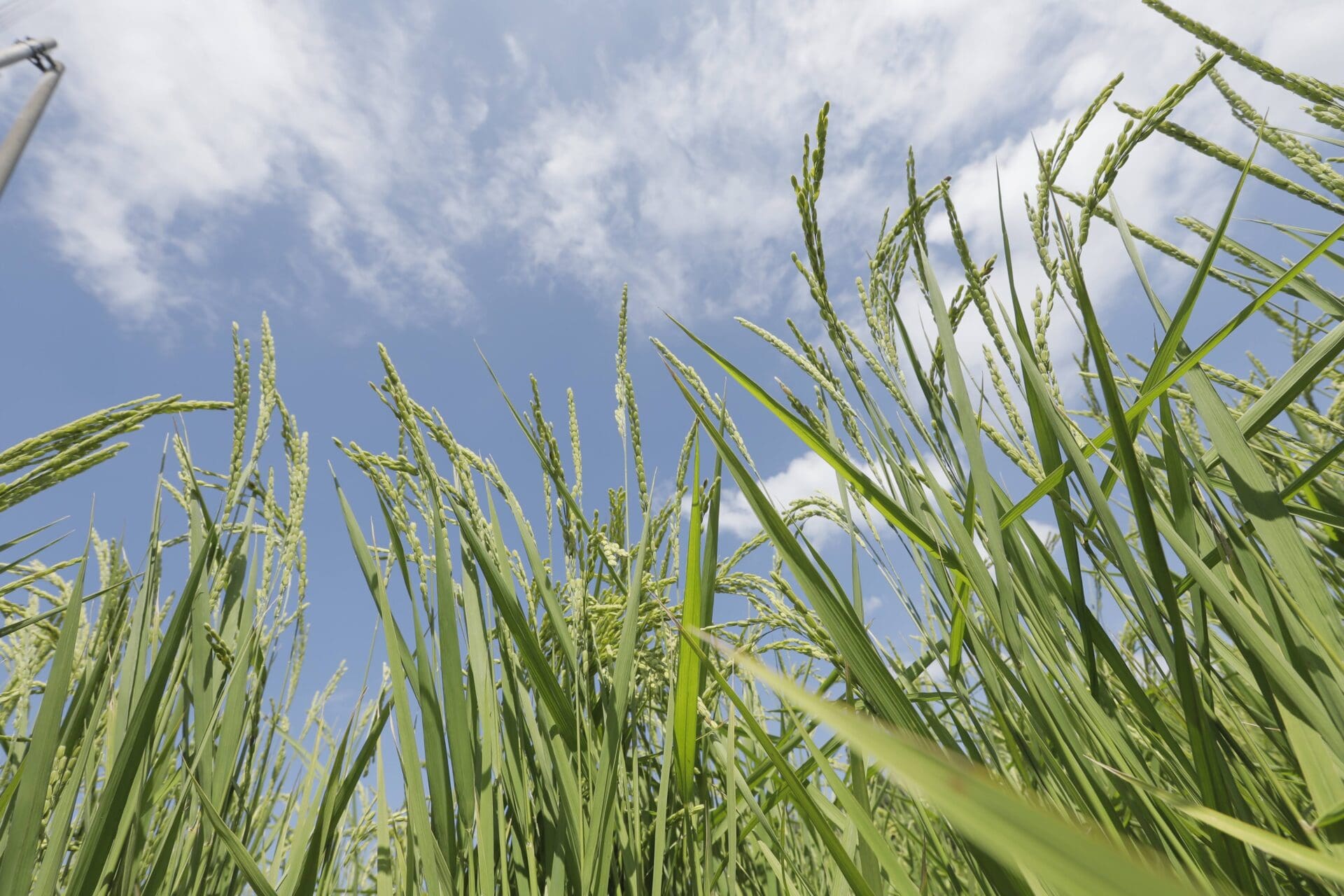
Although exports of sake remain steady—with January to July 2025 results about +10% compared to the same period last year—the industry faces the dual challenges of soaring rice prices alongside shortages in supply. Breweries use: (1) Sake-specific rice developed for sake production (sake rice, shuzo-koteki-mai), (2) rice for processed foods like miso, sake, rice crackers, etc., and (3) table rice. Sake rice requires much more labor to cultivate and has lower yields than the other types of rice. Consequently, it has been about twice as expensive, with the “Yamada Nishiki” sake rice variety being the most famous example.
However, since 2024, with increasing disruption of the supply-demand balance for table rice and soaring prices, the incentive for farmers to cultivate sake rice has been greatly diminished. If this continues, replacement of sake rice cultivation with table rice will accelerate, posing a serious risk to the sake industry.
Future activities of the JSS
The JSS, while requesting government measures to mitigate the rice shock, believes that continuously promoting the accurate understanding and appeal of sake worldwide— especially in growing overseas markets—will generate sustained demand.
As part of these activities, in November 2025, five world-renowned sommeliers will be invited to Tohoku region of north-eastern Japan, one of the country’s great sake producing areas. They will not only tour traditional sake breweries but also visit koji mold makers and miso/soy sauce producers to learn comprehensively about Japan’s fermentation culture. These unique, hands-on experiences will allow them to deepen their appreciation of sake’s appeal and to use that knowledge in their home countries.
The JSS will also continue exhibiting at global fairs such as Wine Paris 2026 and ProWein 2026, thereby supporting global sake promotion. In addition, it plans to execute educational initiatives in cooperation with national sommelier associations, stage a series of sake events in Poland, and conduct its annual intensive training program “Japan Sake and Shochu Academy” to foster experts.
In the Japanese domestic market, more breweries are developing low-alcohol sake and sparkling sake to attract younger consumers, and more restaurants are offering the increasingly popular “Sake-High,” which is a mix of sake with soda water. The Association, together with brewers, will continue to explore the new needs of these times, take on new challenges, and overcome difficulties while delivering the charm of sake to the world. Cheers to Sake Day!
※ 1: Source: National Tax Agency, “Per Adult Alcohol Sales (Consumption) Volume by Prefecture, FY2023”
※ 2: List of Sake GIs: https://www.nta.go.jp/taxes/sake/hyoji/chiri/ichiran.htm