Kia ora, nau mai ki Aotearoa – te whenua hou o te ao waina.
This is the Māori greeting you receive when visiting New Zealand Wine Country: Small with a Global Benchmark.
By Angelo A. Camillo, PhD, Associate Professor of Wine Business and Management at the Wine Business Institute, Sonoma State University. May 26, 2026.

My recent 14-day wine research trip to New Zealand allowed me to revisit the place where I had worked and lived 43 years earlier, as the Director of Food and Beverage for the former Sheraton Hotel in Auckland, now Cordis Hotel. In 1983, the hotel had the largest meeting facilities in the country. In addition to the prestigious collection of imported wines, the hotel also carried a noteworthy inventory of domestic wines. That was then, over four decades ago, when the New Zealand Wine Industry was in its infancy. Today, the wine industry looks much different, having captured global market share and earned respect for producing some of the world’s most highly regarded wines. How did it all happen?
Winning means “Branding!” Every wine-producing region and country has a story. Recent history reminds us of the Judgment of Paris in relation to California’s global success. The results of a blind tasting at the Intercontinental Hotel in Paris on May 24, 1976, shocked the entire world. The 1973 Chardonnay from Chateau Montelena and the 1973 Cabernet Sauvignon from Stag’s Leap Wine Cellars took first place. Both wines defeated the world’s much-appreciated French labels, including Château Mouton-Rothschild and Château Haut-Brion. This event would forever change the global wine business landscape. The wine business was developing across North America. On July 31, 1975, two Canadian wine entrepreneurs, Don Ziraldo and Karl Kaiser, founded and operated the first licensed winery in Canada, “Inniskillin,” since the repeal of Canadian prohibition in 1927. Similarly, there was The Judgment of Bordeaux. In 1991, Inniskillin introduced the modern Canadian industry and its wines to the world, winning the Prix d’Honneur for its 1989 Icewine at the prestigious VinExpo in Bordeaux, France. And, in 1986, Hunter’s Wines shocked the wine world when it won the Sunday Times Vintage Festival in the United Kingdom with an oak-aged Sauvignon Blanc from Marlborough’s 1985 vintage. In 1987, 1988, and again, in April 2016, 30 years after that first win, Hunter’s repeated history by winning the prestigious Wine of the Show at the Sunday Times Vintage Festival in London, UK. Forty years on, my research study trip down memory lane revealed how New Zealand’s wine industry has surged into global prominence.
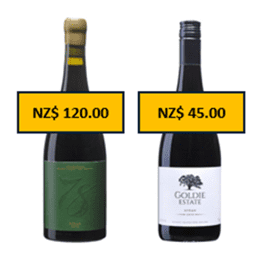
New Zealand did not just make news with wine. It is also home to STELVIN® and a catalyst for screw cap adoption across the globe. The screw cap was developed in 1964 by the French company Le Bouchage Mécanique and is now owned by Amcor. Adopted first by New Zealand and later by Australia, it became the focus of a global innovation in closures. The Clare Valley winemakers replaced cork with the screw cap on their 2000-vintage Rieslings. Soon after, in 2001, New Zealand’s Screwcap Wine Seal Initiative became the promoter for the closure revolution. Consequently, New Zealand adopted screwcaps faster than any other country, and used it increasingly for its growing production, from 1% of production in 2001 to 70% by 2004, and today, roughly 99% of New Zealand wines are sealed this way, except for some premium wines destined for export to meet the demand of traditional buyers who may never accept a bottle without a natural cork. Wine production stakeholders shared with me their insight that a membrane in the screw cap does the same function as the natural cork, e.g., micro-oxygenation. The takeaway was that adopting a screw cap was an option for winemakers, offering them a more sustainable alternative while contributing to better environmental practices toward a more sustainable planet. Although this topic has been widely discussed across the global industry, many stakeholders prefer neutrality over judgment. However, a scientific comparison between natural cork and screw cap adoption remains a topic of discussion for experts. The picture shows two bottles of Syrah wine: one sells for NZ$120.00 and uses a natural cork; the other is also Syrah and uses a screw cap. This explains the adaptation to market demand, consumer expectations, and acceptance in different markets. Source: Waiheke Island Goldie Estate 78 Collection 2019 Syrah, 13.5% ABV (NZ$120.00) and Waiheke Island Goldie Estate Range 2020 Syrah, 14.5% ABV (NZ$45.00.)
Besides the historical-scientific significance of the screw cap adoption, today, New Zealand’s wine industry is one of the most prominent success stories in the contemporary wine world. It produces just over 1% of the world’s wine, yet exports to more than 100 countries and has built a global reputation for distinctive, premium, sustainable wines. In 2024, wine exports reached about NZ$2.1 billion, making wine New Zealand’s sixth-largest export good, according to New Zealand Wine. A winery representative said that it exports about 96% of its yearly production, about 500,000 cases, to various markets. The export consists of Estate Labels and sublabels for niche markets that prefer custom labels.
What makes the story remarkable is not only the quality of the wine but also the structure behind it. New Zealand Winegrowers (formerly Wine Institute of New Zealand, established 1975), an association created in 2002, represents more than 600 grape growers and 700 winery members and describes itself as the world’s only unified national winegrowers’ organization. This unity is a major competitive advantage. Unlike fragmented wine countries where growers, producers, regional representatives, and exporters often speak separately, New Zealand has built a shared national narrative they proudly describe as the “Purity, Innovation, and Care,” and not to forget the outstanding wine community work, without government support.
During my visit, I interacted with representatives of 12 wineries and visited about 10 without interaction, collecting data using non-intrusive observations of their operations. Coincidentally, my visit was during Easter, and many businesses, including wineries, were closed from Good Friday to Easter Monday in observance. Of the wineries I interacted with, I asked their representatives the same question: What made New Zealand wine so successful? Their answers were strikingly consistent. They pointed to a mutually beneficial collaboration, especially within the Grape Growers Association. They are self-financed and well-organized, willing to invest in scientific research and sustainability, and to represent and promote a clear national brand. They offer free educational materials and a free New Zealand Wine Certificate, while many countries don’t. The former “Wine Institute” identity was eventually replaced by New Zealand Winegrowers, a broader and more inclusive name that better represents growers, wineries, regions, exporters, and the country’s collective image. In other words, an inclusive organization representative of all stakeholders within the New Zealand wine business ecosystem. As a winery owner proudly shared: we are united; everything we do benefits everyone; we don’t act for self-interest; we act as a community in which everyone shares the same responsibilities and reaps the same benefits.

The synthesis of my interviews with representatives from the wineries revealed New Zealand’s greatest competitive advantage. It transformed remote geographic isolation into a premium identity. The cool climate, intense sunlight, never-before-exploited soil, clean water, maritime influence, and disease-management discipline created wines of freshness, aromatic intensity, and purity. Marlborough Sauvignon Blanc became the global flagship: crisp, expressive, and immediately recognizable. Today, the Marlborough wine region accounts for about 73% of New Zealand’s planted vineyard area, and Sauvignon Blanc represents 82% of white plantings.
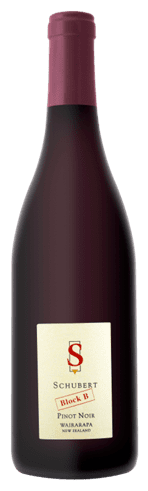
But New Zealand is more than Sauvignon Blanc. Hawke’s Bay produces excellent Chardonnay, Syrah, and Bordeaux-style blends. Central Otago has built an international reputation for Pinot Noir. Martinborough, Nelson, North Canterbury, Gisborne, Waiheke Island, and Northland add regional depth. Pinot Noir accounts for 75% of red plantings, confirming that New Zealand’s cool-climate identity extends beyond its famous white wines. Sustainability is another pillar of competitiveness. Sustainable Winegrowing New Zealand is an independently audited certification program, and current reporting shows that SWNZ-certified members represent about 98% of vineyard area and around 90% of wine produced. New Zealand is also one of the few countries to have implemented an appellation system. This gives New Zealand a powerful advantage with global consumers, importers, investors, and restaurants seeking exclusivity, authenticity, traceability, and environmental responsibility through self-regulation. The export model, however, is both a strength and a vulnerability. Around 90% of New Zealand wine is exported, with the United States now the largest market, valued at about NZ$762 million, followed by the United Kingdom and Australia. As reported by Exporter Today, New Zealand’s export success has made the industry globally visible, but it also exposes wineries to tariffs, exchange rates, shipping costs, distributor concentration, and changes in consumer demand.
There is also a risk of varietal concentration. New Zealand’s global image depends heavily on Sauvignon Blanc, especially Marlborough Sauvignon Blanc. That identity is commercially powerful, but it can become a strategic constraint if consumers shift preferences or if lower-cost competitors imitate the style and applied strategies. Recent industry commentary has also pointed to market pressure, flat growth, tariffs, and concerns that high yields may weaken Marlborough’s distinctiveness (Rural News Group). During my interview with a winery representative in Martinborough, I stated that the Sauvignon Blanc placed New Zealand wines on the world stage. The smiling answer was: “Yes, but Sauvignon Blanc is only for export, our great wines are here, Pinot Noir and Chardonnay.” However, regardless of the high quality of Pinot Noir and Chardonnay, which I attest to, wine as a standalone product is challenging to sell to consumers, especially to winery visitors. From my observations, many New Zealand wineries have high-quality on-site food service facilities that support overall wine sales and promotion strategies, helping keep visitors on the premises.
Wine tourism and the trending European style “Eno-gastronomic tourism,” including New Zealand Olive Oil, offer additional major opportunities. New Zealand has the infrastructure to be a world-class wine destination: international air access and domestic flights, placing Air New Zealand at the top of the best airlines for excellent service, dedication, attention to detail, cleanliness, and friendliness. The country has well-maintained roads, scenic routes, boutique lodging, restaurants, cycling trails, cellar doors, and dramatic landscapes. Marlborough alone offers many cellar-door and tasting-room experiences, while Hawke’s Bay, Waiheke Island, Central Otago, and Martinborough combine wine with food, scenery, culture, and outdoor recreation. (Marlborough Wine). However, the wine industry, through the wine tourism, could exploit extra benefits from many additional complementors to achieve full potential, https://www.newzealand.com/nz/.
According to https://www.newzealand.com/us/golf/, golf promoters claim that New Zealand has approximately 400 golf courses, giving it one of the highest numbers of courses per capita in the world. The country features 390 affiliated golf clubs, including around 258 18-hole courses and 118 9-hole courses. Popular, high-quality “marquee” courses include Kauri Cliffs, Cape Kidnappers, and The Hills. It is ranked second in the world for golf courses per capita, trailing only Scotland. Many, including top-ranked courses, are accessible to the public for play. And yes, alcohol can be served and consumed on golf courses in New Zealand, but venues must comply with the Sale and Supply of Alcohol Act 2012 and their local alcohol license conditions.
The human dimension is equally important. New Zealanders are widely perceived as friendly, informal, and welcoming. Māori values such as manaakitanga—hospitality, generosity, care—and kaitiakitanga—guardianship of land and resources—fit naturally with wine tourism and sustainable agriculture. These values elevate the visitor experience when presented respectfully and authentically, especially as Māori wine producers and cultural voices become more visible (Travel and Tour World). One can summarize it as a partly natural symbiotic relationship among humans, human-made infrastructure, and the natural environment, including land, fauna, and flora.
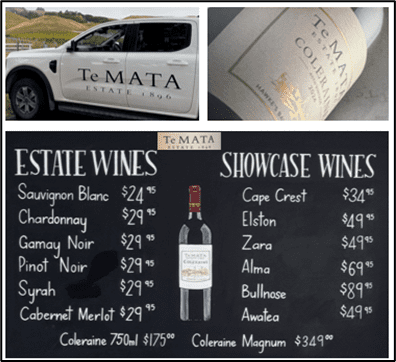
Yet even successful destinations must occasionally revisit and reformulate their destination management strategies. Based on my personal interactions during winery visits, the technical side of New Zealand wine is exceptionally strong: viticulturists and enologists are highly skilled, with international training and experience, well-educated, and their wines are widely admired and competitively positioned globally, thanks to the wine marketeers’ having developed and applied efficient export strategies. As mentioned previously, many wineries have restaurants on premises that offer exceptional fresh seafood and other local specialties, which are easily enjoyed with their wines. Wineries offer accessible, high-quality wines at affordable prices. However, some wineries, not all of which I have visited, could benefit from elevating the visitor experience by offering something for everyone, including adults who cannot consume alcohol, kids, and even pets. Other offerings could include recreational activities for the whole family, winery animals for petting, especially at wineries and vineyards that are organically sustainable, certified, and use regenerative viticulture, which allows them to move around, thus attesting that, because of their free-range pasture and feeding, there are no traces of chemicals. Some cellar-door teams could benefit from more advanced hospitality training. A winery should not only produce excellent wine; it must also teach, host, explain, emotionally connect with visitors, and inspire a return visit. Staff training in product knowledge, storytelling, sensory description, wine and food pairing, cultural interpretation, responsible service, and understanding international guest expectations would strengthen the wine tourism experience. While most wineries waived the tasting fees if I purchased a bottle, others had different policies. During a visit to a premium winery, I had to buy a full glass of wine for tasting. Consequently, I was unable to taste several wines because I could not drink a full glass before lunch. An analysis of current offerings and a review of its destination management practices could return positive outcomes for all players within the wine business ecosystem.
In sum, my analysis revealed that New Zealand’s wine industry has become and has the propensity to remain competitive because it is unified, focused, sustainable, export-oriented, and globally branded. It is attractive because it offers purity of place, remarkable landscapes, friendly people, Māori cultural depth, and wines that are easy to recognize yet increasingly diverse. Its constraints are also clear: heavy export dependence, reliance on Sauvignon Blanc as the national brand, exposure to global trade pressures, a limited domestic market, high production costs, geographic distance from major markets, and uneven hospitality training.
Nonetheless, there appears to be a bright future ahead. There is an opportunity to capitalize on what has made New Zealand renowned and broaden the story by expanding into developmental markets such as India, Vietnam, and other Asian countries. Marlborough Sauvignon Blanc opened the world’s door. Now New Zealand can invite the world deeper inside: to Pinot Noir, Chardonnay, Syrah, Māori enterprise, regenerative tourism, golf, fishing, and hunting, with exceptional regional diversity, and a wine culture where sustainability is not a slogan but a national discipline. Most importantly, all tourists’ offerings are made possible by the smiling, friendly reception of the people who make it all happen. I have witnessed it.
As I analyze the data gathered to publish an academic research article, I am grateful for the warm hospitality and generosity received from numerous individuals across New Zealand. The success of my research study would not have been possible without the outstanding welcome and collaboration of the following professionals and the many New Zealanders I informally interacted with along the way.
Ashley Burrows, PhD, Professor of Accountancy Emeritus, a Wellington native, who helped design the research itinerary; John Bartlett, Owner, Director of the New Zealand Wine Directory Ltd., https://nzwinedirectory.co.nz/; Tom Soljans, Managing Director and Head Winemaker, of Soljans Estate Winery, https://soljans.co.nz/pages/our-story; Yil Hernandez, Winemaker, The Hunting Lodge, a Brix.co Company https://www.thehuntinglodge.com/our-range; David Cromie, Shubert Wines https://www.schubert.co.nz/; Stephanie Nelson and Heinrich Storm, Goldie Estate https://goldieestate.co.nz/about-us/, & Goldwater Wine Science Centre https://goldieestate.co.nz/wine-science-centre-1; Brajkovich Family, Kumeu River Wines Ltd https://kumeuriver.co.nz/; Michael for Joanne Deitch, Craggy Range Winery https://craggyrange.com/pages/our-people; Emily Ling, Mudbrick Winery https://mudbrick.co.nz/product-category/wine/; Philipe Brodie, Te Mata Estate https://www.temata.co.nz/; Julia, ATA RANGI Ltd. https://atarangi.co.nz/cellar-door; Alex Roper, Head Winemaker, Mission Estate Winery https://www.missionestate.co.nz/pages/our-people; Karen Hill, Babich Wines https://www.babichwines.com/about/our-story/; Michael Newlands, Harbourside Ocean Bar and Grille https://www.harbourside.co/about/; Raul Calderon, General Manager, Ciaran O’Hanlon, Quality Manager, and Irene Liu, Queens Head Manager at the Four Points Sheraton Hotel, Auckland, New Zealand.
Angelo A. Camillo is Associate Professor of Management and Wine Business at the Wine Business Institute and the Department of Management in the School of Business at Sonoma State University in Rohnert Park, California, in the heart of the Wine Country.