The project is a collaboration between the University of Naples Federico II – Department of Enology in Avellino and the Wine Route of Casavecchia di Pontelatone and Alta Campania. A highlight of the conference will be a comparative discussion on zoning practices in Piedmont and Sicily, featuring some of the leading figures in high-quality Italian viticulture
July 17, 2025 (Casertavecchia, Italy) — A strategic project for the future of the wine sector in Alta Campania: on Friday, July 18 at 6:00 PM, the Eremo di San Vitaliano in Casertavecchia will host the first public meeting dedicated to the important research project for the viticultural zoning of Alta Campania, carried out in collaboration between the University of Naples Federico II – Department of Enology in Avellino and the Wine Route of Casavecchia di Pontelatone and Alta Campania. The project involves institutions, research bodies, producers, and industry professionals, as part of a broader path aimed at giving the viticulture of Alta Campania a leading role in the regional and national wine scene through a scientific and innovative approach.
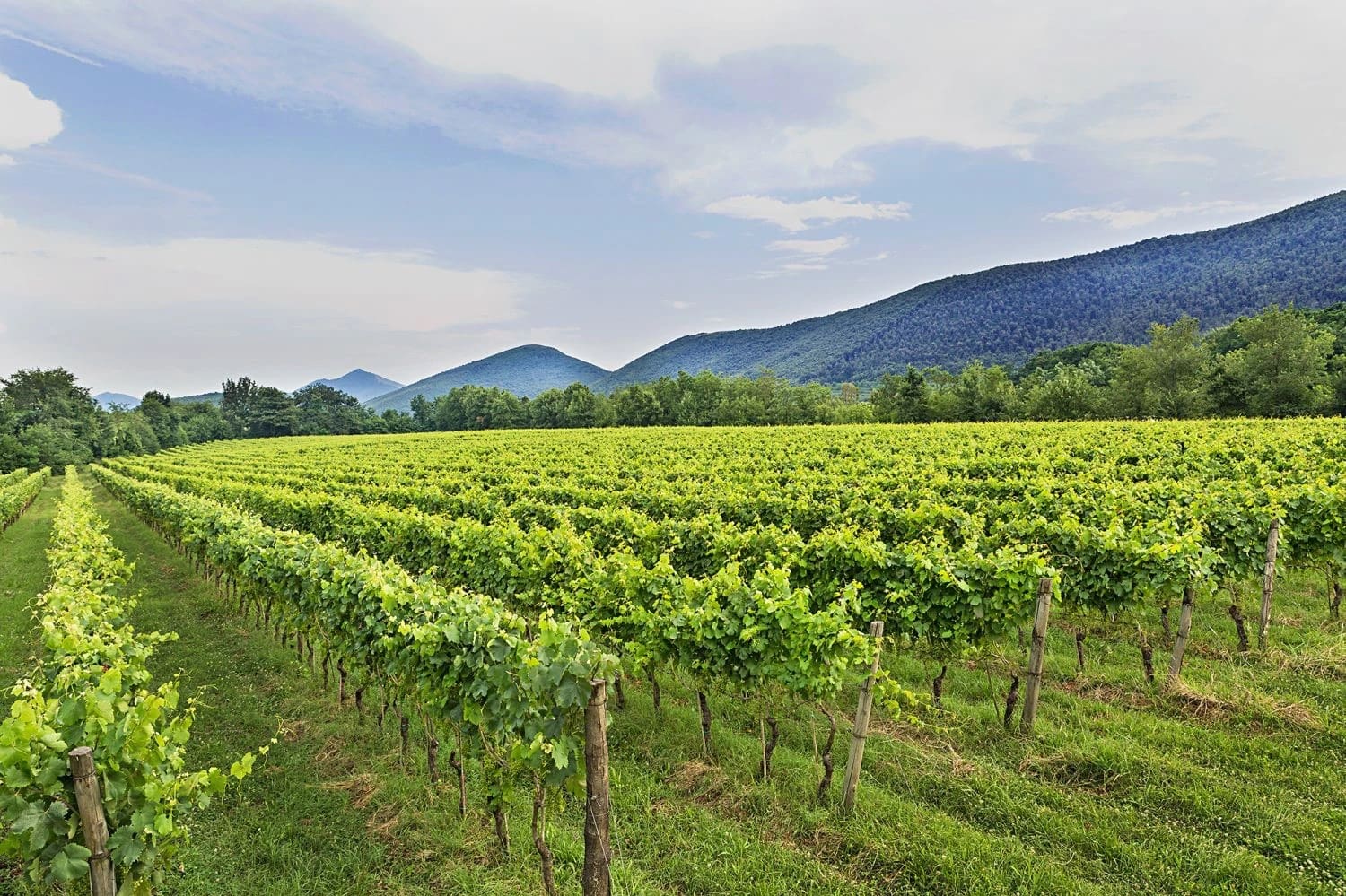
At the heart of the initiative is viticultural zoning: a key tool for deeply understanding the pedoclimatic and agronomic characteristics of the territory, enhancing its potential, and guiding production practices toward high-quality, sustainable, and identity-driven viticulture. The research, which will continue for another three years, will culminate in the publication of a volume on the history and zoning of Alta Campania, based on the contributions and studies presented.
The chosen venue for the event is no coincidence: the Eremo di San Vitaliano, an ancient spiritual site nestled in the woods of Casola di Casertavecchia, is rich in history and tranquility—a symbolic place of reflection, research, and local roots, dedicated to San Vitaliano, bishop of ancient Capua.
The conference is open to producers, oenologists, sales agents, distributors, sommeliers, and journalists, and will be divided into three main sessions. Following welcome remarks from Cesare Avenia (President of Consorzio Vitica), Andrea Granito (President of the Wine Route of Pontelatone), and Pietro Iadicicco (AIS Caserta representative), the first session will explore the historical aspects of wine:
- Claudio Calastri, archaeologist and researcher at the Parco Archeologico del Colosseo, will discuss wine’s role in Greco-Roman Alta Campania;
- Nicola Busino, professor of Archaeology at the University of Naples “L’Orientale”, will focus on the medieval period, closely tied to wine and vine archaeology;
- Tommaso Tartaglione, president of the Caserta Study Center, will speak about the viticulture of Terra di Lavoro from the Bourbon period to the present day.
The second session will focus on technical-scientific topics, with contributions from:
- Maurizio Boselli, former professor at the Universities of Verona and Naples, who will discuss the Casavecchia, Pallagrello Bianco, and Pallagrello Nero grape varieties;
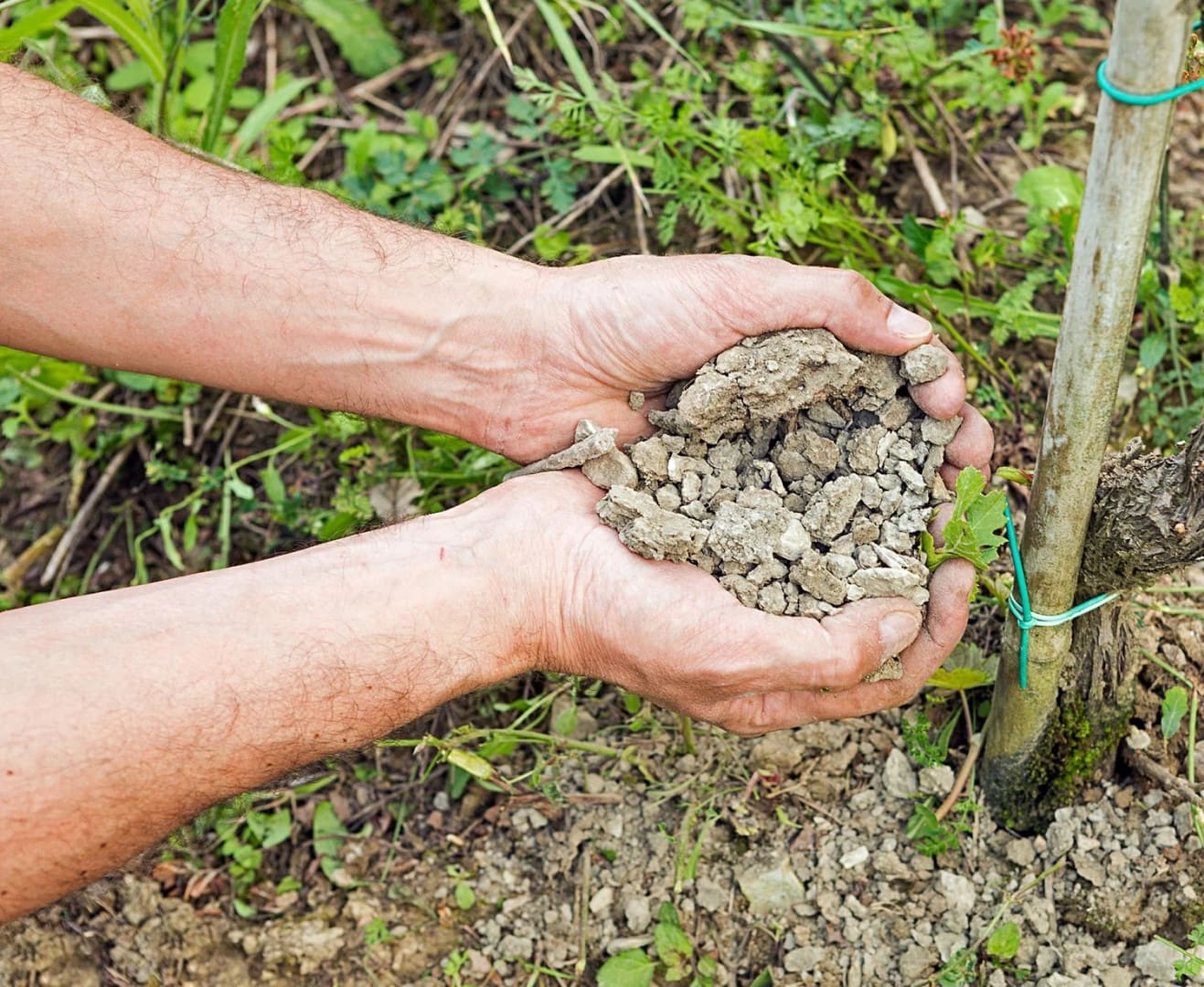
- Carla Scotti, pedologist and coordinator of the Alta Campania zoning project, who will present initial findings from research conducted in vineyards across the region;
- Paola Piombino, professor of Enology at the University of Naples Federico II, who will share results of aromatic analyses on the three native grape varieties;
- Francesca Alliata Bronner, journalist specializing in food and wine tourism, society, and culture, will speak about slow and experiential tourism in Alta Campania.
This session will be moderated by Luciano Pignataro, food and wine journalist.
The third part of the meeting will feature a roundtable discussion comparing zoning experiences in Piedmont and Sicily, with the participation of prominent figures from Italy’s top wine regions:
- Paolo Manzone (Manzone Winery) and Giorgio Conterno (Giacomo Conterno Winery) for Barolo;
- Salvo Foti (I Vigneri) and Vincenzo Lo Mauro (Passopisciaro Winery) for Etna wines.
The discussion will be moderated by journalist Lidia Luberto, and will aim to raise awareness among the wine industry on the importance of mapping and promoting local terroirs.
Local producers will be actively involved and present at the event, including:
Aia delle Monache, Alepa, Alois, Calatia, Canestrini Wine, Cantina di Lisandro, Davide Campagnano, Della Valle Jappelli, I Cacciagalli, Il Verro, La Masserie, Le Fontanelle, Masseria Piccirillo, Palmieri Domus Vinaria, Scaramuzzo, Sclavia, Tenuta Fontana, Tenuta Pezzapane, Terre dell’Angelo, Vestini Campagnano, Vigne Chigi, Viticoltori del Casavecchia, Tenuta Ievoli.
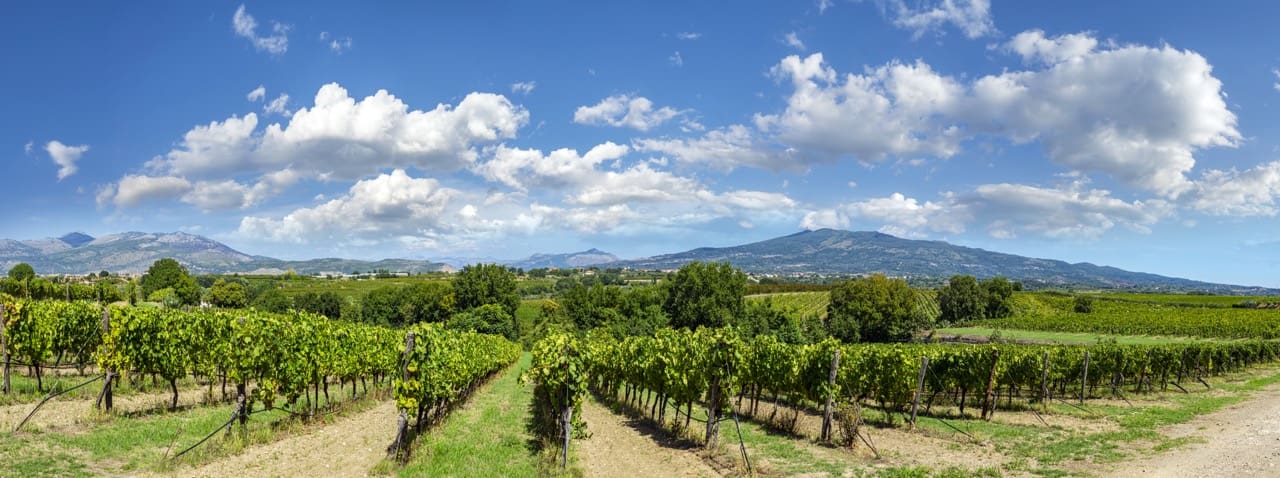
The Alta Campania area overlaps with the historic Campania Felix, celebrated by Pliny the Elder for its remarkable fertility and agricultural wealth. It spans the upper and middle Volturno valley, the Matese mountains, and specifically two chains of the seven anti-Apennines in Campania: the Tifatini Mountains and the Trebulani Mountains, which famously hosted Hannibal for ten years during the Second Punic War. From a regulatory perspective, the area corresponds with the broader IGT Terre del Volturno, including the municipalities of:
Alife, Alvignano, Bellona, Capua, Casagiove, Casapulla, Castel Morrone, Castello del Matese, Dragoni, Formicola, Giano Vetusto, Gioia Sannitica, Presenzano, Raviscanina, Riardo, Roccaromana, Ruviano, San Gregorio Matese, San Potito Sannitico, Sant’Angelo d’Alife, Sant’Andrea del Pizzone, Teano, Tora e Piccilli, Vairano Patenora, Vitulazio; and those of the DOC Casavecchia di Pontelatone: Caiazzo, Castel Campagnano, Castel di Sasso, Liberi, Pontelatone, Ruviano, Formicola, and Piana di Monteverna.
Four other DOC denominations are also found in the area:
- Galluccio DOC: wines from volcanic soils, predominantly Aglianico and Falanghina;
- Falerno del Massico DOC: the modern heir to the legendary wine of the Roman emperors, produced between Falciano and Mondragone;
- Roccamonfina DOC: hilly area between Sessa Aurunca and Roccamonfina, enhancing local varieties on volcanic soils;
- Asprinio di Aversa DOC.
In line with the rich agricultural history of Campania Felix, the Bourbon Kingdom played a key role in the rediscovery and preservation of native grape varieties. The Bourbon experimental vineyards, including four near the Belvedere of San Leucio—Torretta, Pomarello, Arcone, and Spigonardo—documented by royal official Antonio Sancio, represent one of the earliest examples in Italy of agronomic research applied to the selection of local varieties such as Pallagrello Nero, Pallagrello Bianco, and Casavecchia.
Alongside these experiments, the Royal Site of San Leucio was also a center of silk production. The Bourbon silk factories, active since the 18th century, made Campania’s craftsmanship famous across Europe, fostering a culture of excellence that today is being revived through this integrated zoning and territorial enhancement project.
One of the tangible outputs of the zoning project is the launch of the “Alta Campania Tour”, a four-day itinerary showcasing the region’s wine, food, crafts, and landscapes. From buffalo mozzarella workshops to olive oil and wine tastings, visits to the Carolino Aqueduct and the Silk Museum of San Leucio, vineyard experiences, and craft breweries, the tour offers a deep dive into the rural culture of the Caserta hinterland. The initiative will be coordinated by the Pro Loco Real Sito di San Leucio, already active in local tourism promotion. A dedicated website will launch in September 2025, providing updated dates, booking info, and full program details.
At the end of the event, wine tasting counters will open featuring wines from the producers of Alta Campania and from the roundtable guests, curated by AIS Caserta sommeliers, with food pairings by chef Antonio Papale and a selection of typical local products.